English

Choosing the right specialization can make a big difference when leveling in World of Warcraft: Forever. Some specs can defeat enemies quickly while staying alive, while others struggle to deal damage or require more downtime between fightss. In this WoW Forever class tier list, we'll rank all 28 specializations based on their damage, survivability, solo performance, and overall leveling efficiency. We'll also share our top recommendations to help you find a spec that fits your preferred playstyle.

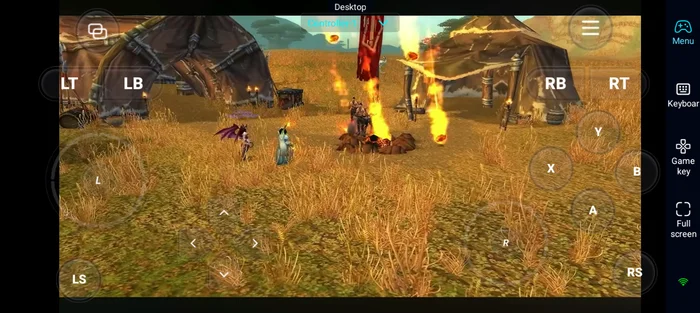
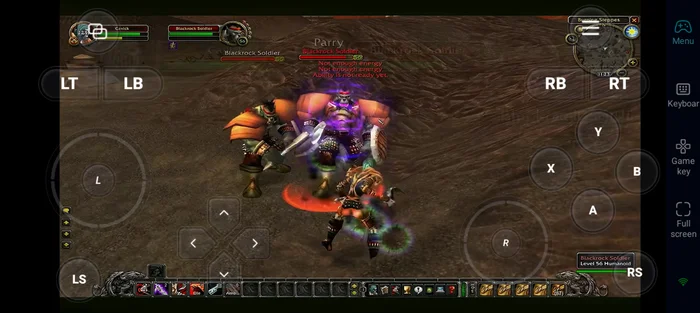
Leveling takes time, and spending hours questing in front of your PC isn't always convenient. With OSLink, you can remotely connect to your PC and play World of Warcraft: Forever on your mobile device. This lets you continue questing, explore Azeroth, and make progress even when you're away from your desk.
WoW Forever Class Tier List Overview
Not every specialization is built for WoW Forever beginners, and being a great tank or healer doesn't automatically make it a good choice for solo questing. For this WoW Forever class tier list, we're looking at how well each specialization performs while leveling from 1 to 60, rather than how strong it is in endgame raids or PvP.

We considered a few things when putting these rankings together:
-
Damage and leveling speed (30%): How quickly a spec can take down enemies, including groups of mobs.
-
Survivability and sustain (25%): Self-healing, defensive abilities, pets, and how well it can recover during fights.
-
Solo performance (20%): How comfortably it handles quests, stronger enemies, and unexpected encounters without a group.
-
Downtime and resource management (15%): How often you need to stop and eat, drink, or recover resources before the next fight.
-
Accessibility and gear dependence (10%): How well a spec performs with leveling gear and how much it relies on later talents to become effective.
These rankings are based on the available class and specialization changes, along with their expected performance during the leveling journey. They aren't results from timed leveling tests, so think of them as a practical comparison rather than an exact measurement of how fast every spec can reach level 60.
One more thing: a lower-tier spec isn't necessarily bad or unplayable. It simply has more disadvantages for solo leveling compared to the options above it. If you enjoy a particular playstyle, there's nothing wrong with sticking to it.
WoW Forever Specialization Tier List
|
Tier |
Specializations |
|
SS Tier |
Beast Mastery Hunter, Affliction Warlock |
|
S Tier |
Frost Mage, Retribution Paladin, Enhancement Shaman, Demonology Warlock |
|
A Tier |
Survival Hunter, Feral Cat Druid, Protection Paladin, Combat Rogue, Feral Bear Druid |
|
B Tier |
Marksmanship Hunter, Shadow Priest, Arms Warrior, Fury Warrior, Protection Warrior, Balance Druid, Elemental Shaman, Fire Mage, Arcane Mage, Destruction Warlock, Subtlety Rogue, Assassination Rogue, Discipline Priest |
|
C Tier |
Holy Priest, Holy Paladin, Restoration Shaman, Restoration Druid |
WoW Forever Hunter Specs
Hunter has always been one of the more comfortable classes for solo leveling, but the changes in WoW Forever give each specialization a more distinct identity. Pets now scale with your stats and have access to new abilities. Traps can be used during combat, and Survival has returned to its melee-focused roots. Beast Mastery makes the most of these changes, but there's more than one way to enjoy leveling a Hunter.
Beast Mastery Hunter — SS Tier
If there's one thing that makes Beast Mastery so good at leveling, it's having a pet that can actually keep up with you throughout the journey. Pets now scale with your stats, and the new abilities available to different pet families give you more reasons to experiment with what you tame. For example, Crocolisks can use Dismember to apply a Mortal Strike-style effect, while Raptors have Savage Rend for additional bleed damage. Your pet isn't just there to distract enemies anymore; it can contribute a meaningful amount of damage while taking pressure off you.

Beast Mastery also gets a few useful additions of its own. Summon Hawk gives you another damage ability to work into your rotation, while Bestial Discipline improves your pet's Focus regeneration and increases your mana regeneration by 50%. And when you need to take down something tougher, Bestial Wrath gives your pet a 50% damage increase for 18 seconds. You can send your pet ahead, stay at range, and let it handle much of the fighting. It's not the most complicated way to play Hunter, but that's exactly why it works so well for leveling.
Survival Hunter — A Tier
Survival is probably the most interesting Hunter specialization to look at after these changes because it has fully embraced melee combat. Its talents encourage a fast-hitting, dual-wielding playstyle, with Predator's Edge increasing melee critical damage and off-hand weapon damage. You'll also get more opportunities to trigger Mongoose Bite through attacks against targets affected by Hunter's Mark, while Lacerating Strikes adds bleed damage to those attacks. There's a lot more going on here than simply running up to an enemy and swinging your weapons.

Survival also has some useful tools for controlling fights. Its traps can now reliably root enemies through the reworked Entrapment talent, while Strider Kick deals weapon damage and gives you a movement speed boost. You can even keep a pet around to split enemy attention instead of giving up that advantage entirely. The main thing holding Survival back is that its strongest melee talents take time to unlock, so it doesn't offer the same straightforward experience as Beast Mastery throughout the entire leveling journey. Once its talents start coming together, though, it looks like a genuinely fun alternative.
Marksmanship Hunter — B Tier
Marksmanship takes a more traditional ranged approach, focusing on landing powerful shots before enemies can get close. Lone Wolf is its most interesting new talent, offering a 20% damage bonus while your pet isn't active. This gives you the option to trade your companion's help for stronger personal damage, which fits the idea of a Hunter who prefers to handle fights from a distance. You also have Sniper Shot, a powerful four-second cast that deals weapon damage with an additional bonus, giving Marksmanship a particularly hard-hitting attack.

The catch is that solo leveling isn't just about how much damage you can deal on paper. Without a pet keeping enemies occupied, you'll have less room for mistakes when something reaches you. You can still use a pet if you prefer, but you won't benefit from Lone Wolf's damage bonus while it's active. That trade-off makes Marksmanship less comfortable for regular questing, especially when Beast Mastery can deal damage through both the Hunter and their companion. It's a better fit if you enjoy playing a more traditional ranged damage dealer and don't mind giving up some of the safety that comes with having a pet.
WoW Forever Mage Specs
Mages have plenty of ways to deal with enemies, whether that's freezing them in place, burning them down from a distance, or using Arcane magic to build up powerful spells. WoW Forever also gives the class some interesting additions, including the new Comprehension skill, which lets you decipher scrolls found throughout the world to unlock various effects and abilities. Each specialization approaches combat differently, but when it comes to leveling, Frost has the most reliable toolkit for handling enemies on your own.
Frost Mage — S Tier
Frost is probably the most comfortable Mage specialization to level, and a lot of that comes down to how easily it can control a fight. You can open with Frostbolt to slow an enemy as it approaches, then use Frost Nova or a Frostbite proc to freeze it in place. Once the target is frozen, Ice Lance gives you an opportunity to follow up with extra damage. You aren't just relying on your spells to kill enemies quickly; you're also deciding when and how they get close enough to hit you.

The specialization has a few more tricks to work with, too. Frostfire Bolt deals both Fire and Frost damage, allowing it to take advantage of whichever resistance is lower on the target, while talents like Fingers of Frost can make enemies count as frozen for certain spells. You also have Ice Barrier to help absorb incoming damage. Blizzard and Cone of Cold have received changes that make large-scale AoE farming less effective than it used to be, but that doesn't take away from Frost's strength in regular questing. If you want a Mage that can handle unexpected encounters without constantly worrying about its health, Frost is an excellent choice.
Fire Mage — B Tier
Fire is all about making your opening spells count. It has some of the longest casting ranges available to Mages, which means you can often land two Fireballs before an enemy even reaches you. When those spells critically strike, Ignite adds damage over time, giving you even more value from a strong opening attack. It's a satisfying way to play if you enjoy watching enemies lose large chunks of health before they get close.

Fire also has plenty of tools for dealing with groups. Flamestrike can hit multiple enemies, and its damage-over-time effect can critically strike as well. Blast Wave gives you another way to damage nearby targets, making the specialization particularly enjoyable in dungeons. The trade-off is that Fire doesn't have Frost's reliable freezing and slowing effects to protect you when enemies get too close. You'll need to make good use of your casting range and manage your mana, rather than relying on crowd control to keep every fight under control. It's still a capable leveling choice, but Frost offers a more forgiving experience when questing alone.
Arcane Mage — B Tier
Arcane has received enough changes to stand on its own rather than simply serving as a supporting talent tree for the other Mage specializations. Its gameplay revolves around building up Arcane Blast stacks, which increase your spell damage based on your Intellect. The catch is that each cast also increases Arcane Blast's mana cost, so you'll need to make good use of the damage bonus before the effect expires. Arcane Wrath is one of the spells that benefits from this setup, while Missile Barrage can turn Arcane Missiles into a much stronger attack without its usual mana cost.

There's also more reason to invest in Intellect than there used to be. Arcane gains additional spell damage from the stat, and talents like Arcane Meditation improve your mana regeneration while casting. Combined with Mage Armor, this gives the specialization a much better answer to the mana problems that often slow Mages down. Arcane looks particularly promising if you enjoy building up damage through spell combinations, although its more involved rotation and dependence on the right stats make it harder to recommend over Frost for a straightforward leveling run. It's definitely worth experimenting with, especially if you want something different from the usual Frost playstyle.
WoW Forever Warlock Specs
Warlock is one of the most interesting classes to level in WoW Forever because you're not just managing your own spells; you're also deciding how to make the most of your demon. Your pets now scale with your stats and equipment, so they remain useful as your character gets stronger. You can also maintain an offensive Bane and a utility Curse on the same target, giving you more freedom when dealing with different enemies. Affliction, Demonology, and Destruction each take these changes in a different direction, but Affliction comes out ahead for solo leveling.
Affliction Warlock — SS Tier
Affliction finally gives you a reason to build around your damage-over-time spells instead of treating them as something to apply before casting Shadow Bolt. Improved Corruption makes Corruption instant cast while increasing its damage, and Pandemic allows your DoTs and channeled effects to benefit from a much higher critical strike chance. You can keep Corruption, Siphon Life, and an offensive Bane running on your target while using your other spells to fill the gaps. Enemies continue taking damage while you decide what to attack next, which is exactly the kind of pressure you want when working through multiple quests.

The really interesting part is how Affliction combines those DoTs with its drain abilities. Improved Drains increases channeled spell damage by 20%, while Soul Siphon can provide up to another 36% based on how many DoTs are active on your target. This gives you a good reason to keep your effects running before using your drains. You also have Curse of Exhaustion, which slows enemies by 30% for 12 seconds, making it easier to control fights when something gets too close. Add a stronger Voidwalker to the mix, and you have a specialization that can let its demon take some of the punishment while gradually draining enemies down.
Demonology Warlock — S Tier
Demonology is where things get particularly interesting if you enjoy experimenting with different demons. Its improvements go beyond simply increasing pet damage. Improved Health Funnel transfers more health to your demon while reducing the health cost and removing the threat it generates. Demonic Energies also heals your demon for 15% of the damage you deal, giving you another way to keep your companion alive during combat. Your Voidwalker becomes especially useful here, as these improvements make it much better at taking hits while you support it with spells.

As you invest further into the tree, Demonology opens up even more possibilities. Decimation reduces Soulfire's cooldown and makes it faster and free to cast against enemies below 35% health, giving you a powerful way to finish fights. Then there's Demonic Pact, which lets you sacrifice one demon and summon another, allowing you to benefit from Demonic Sacrifice and Master Demonologist at the same time. You could, for example, sacrifice a Felhunter for mana regeneration and summon an Imp or Succubus to keep dealing damage. This kind of flexibility makes Demonology more than just a pet-focused specialization, although some of its most exciting tools come later in the talent tree.
Destruction Warlock — B Tier
Destruction is for players who would rather make enemies explode before they have a chance to reach them. Its updated talents encourage you to mix Fire and Shadow spells instead of relying on Shadow Bolt for almost everything. Incinerate gives you a new Fire-based filler spell, while Conflagrate delivers instant damage and works alongside Immolate. The Shadow and Flame talent takes this combination further, increasing your Shadow damage after using Conflagrate and your Fire damage after using Shadowburn. You also get Bane of Havoc, which allows part of your damage to hit a second target, giving you some extra pressure when fighting groups.
The problem with this approach becomes clear when you're leveling alone: Destruction can deal damage so quickly that your Voidwalker struggles to hold enemy attention. You end up taking hits yourself while trying to finish targets before they reach you. This doesn't make Destruction useless, but it does take away some of the comfort that makes Warlock such a good solo class. It also takes until around level 40 to unlock Incinerate, so you won't have access to one of its defining abilities during the earlier part of your journey. Destruction can be worth experimenting with if you have strong spell-power equipment, but for a regular leveling run, Affliction and Demonology have more practical advantages.
WoW Forever Paladin Specs
Paladin is a good choice if you want a character that can deal damage without giving up the ability to heal and protect itself. Its specializations take that combination in different directions, from Retribution's straightforward melee damage to Protection's ability to withstand tougher fights. WoW Forever also makes a few changes to the class that help all three specs, but Retribution offers the best balance for leveling from 1 to 60.
Retribution Paladin — S Tier
Retribution gets off to a good start thanks to Holy Strike, which you can learn as early as level 6. Having another damage ability so early makes a noticeable difference while you're still building your toolkit. One particularly useful change is that Judgement no longer consumes your active Seal, so you can use it without having to reapply your Seal afterward. That makes your usual combat rotation feel much less restrictive.

The improvements don't stop there. Vengeance now lasts 30 seconds, giving you more time to benefit from its damage increase, while several talents help improve your damage and mana efficiency. Blessing of Kings is also available as a baseline ability, and Lay on Hands has a shorter cooldown, giving you more room to recover when a fight goes badly. Retribution doesn't need to rely on one particular ability to make leveling work; it has a good mix of consistent melee damage, healing, and defensive options. If you want to play Paladin without making every fight a slow battle of attrition, this is the specialization I'd recommend.
Protection Paladin — A Tier
Protection is worth considering even if you don't plan to spend much time tanking dungeons. Its improved defensive tools make it much more practical for solo play, and it has several changes that help it deal with enemies rather than simply absorb their attacks. Seal of Fury improves its threat generation, while Judgement gives you a ranged way to pull enemies and keep their attention. Blocking can also restore mana, which gives you another reason to build around your shield instead of treating it as purely defensive equipment.

Some of Protection's more useful improvements take time to unlock, so don't expect it to feel as strong as Retribution right from the beginning. Around levels 20–30, its talents start coming together and the specialization becomes a more appealing option. You can take on tougher enemies and handle situations where another spec might need to retreat, although you'll generally spend longer finishing fights. It's a good choice if you enjoy a slower, more defensive approach and don't mind trading some killing speed for extra durability.
Holy Paladin — C Tier
Holy has plenty of improvements aimed at keeping a group alive. Holy Shock gives you another useful healing option, while talents like Reverence help with mana regeneration while casting. You also have additions such as Voice of Truth, Light's Vigil, and Infusion of Light to build around, giving Holy more ways to support allies during difficult encounters. It's easy to see why this specialization can be valuable when running dungeons with other players.

Solo leveling is a different story, though. Most of Holy's strengths are tied to healing rather than dealing damage, so fighting your way through regular quests can take considerably longer. You can use offensive spells like Holy Shock and build around your available damage options, but that doesn't give you the same consistent damage output as Retribution. Its mana tools help with longer fights, but they don't solve the main problem: enemies simply take longer to kill. Holy is worth choosing if you expect to spend most of your time healing in groups, but for a primarily solo leveling journey, the other two specializations are much more practical.
WoW Forever Shaman Specs
Shaman gives you quite a bit of freedom in how you approach combat. You can fight with weapons and imbue your attacks with elemental power, stay at range and unleash powerful spells, or focus on healing your allies. WoW Forever makes some interesting changes to all three specializations, but Enhancement stands out as the most practical choice for leveling. Its improved melee toolkit and resource management make it easier to keep moving between fights without spending too much time recovering.
Enhancement Shaman — S Tier
Enhancement is a great choice if you enjoy getting into the middle of a fight and letting your weapons do most of the work. The specialization supports a two-handed melee playstyle, and Stormstrike becomes available earlier than before, with its cooldown reduced to just eight seconds. This gives you a reliable source of burst damage throughout combat instead of having to wait as long between uses. Rage of the Farseer adds another layer to your attacks by increasing your attack speed, helping you put out damage more consistently.

One of the more interesting changes is how Enhancement makes use of Intellect. Rather than treating it purely as a caster stat, the specialization converts Intellect into attack power while also benefiting your spell damage and healing. This gives you more flexibility when choosing equipment as you level. Mana management has also received some attention: Shamanistic Focus reduces the mana cost of Shock spells and Lightning Shield by 45%, making it easier to weave abilities into your regular attacks without constantly running out of mana. Add Ghost Wolf for quicker movement between enemies and quest objectives, and Enhancement has a very comfortable leveling toolkit.
Elemental Shaman — B Tier
Elemental takes a different approach, giving you a chance to deal with enemies before they can reach you. Its improvements include earlier cast-time reductions, making your ranged spells more comfortable to use while leveling. Lightning Overload gives your lightning spells a chance to trigger additional damage, while Lava Burst provides another powerful offensive option as you progress through the tree. It's a good fit if you enjoy watching enemies get hit by a combination of lightning and fire spells rather than fighting them up close.

Elemental also has a few ways to protect itself when enemies do manage to close the distance. Eye of the Storm helps prevent incoming attacks from pushing back your spell casts, while Earthbind gives you a way to slow and control approaching targets. The trouble is that Elemental relies more heavily on spell-damage equipment to get the most out of its abilities, and its mana consumption can make longer stretches of questing less comfortable. You have the tools to deal damage and control encounters, but Enhancement generally offers a better balance between killing speed and resource management.
Restoration Shaman — C Tier
Restoration has received several useful improvements for anyone planning to heal through group content. Mindfulness helps you regenerate mana while casting, while Water Shield gives you another way to manage your resources. Riptide and the improvements to Chain Heal also give you more options when keeping a party alive, especially when several players need healing at once. If you enjoy supporting a group through dungeons, there's plenty to work with here.

The problem is that most of these improvements don't help much when you're trying to level alone. Restoration can keep itself alive, but being difficult to kill doesn't mean you can defeat enemies quickly. Your damage simply doesn't compare to what Enhancement can offer, and that difference adds up when you're working through quests one enemy at a time. You can certainly level as Restoration if you prefer the healing playstyle, particularly if you spend a lot of time grouping with other players, but it's not the specialization I'd recommend for efficient solo progression.
WoW Forever Druid Specs
Druid is one of the most flexible classes in WoW Forever, letting you switch between melee combat, ranged spellcasting, and tanking depending on the situation. The changes in WoW Forever also give each specialization more room to shine, with improvements to Feral's weapon scaling, Balance's mana efficiency, and Restoration's healing toolkit. Feral remains the best overall choice for leveling, but Cat and Bear offer quite different ways to play.
Feral Cat Druid — A Tier
Feral Cat is a strong choice if you enjoy fast-paced melee combat, and WoW Forever makes some important changes to how it handles energy and equipment. Your attacks now scale with weapon damage, so upgrading your weapon gives you a more direct improvement to your damage instead of having to rely on specific weapons to get the most out of your abilities. You can also benefit from temporary weapon buffs and enchants while in Cat Form, and even use consumables without shifting out of your form.

The biggest change to its rotation is Shifting Power, which brings back the feel of power shifting without requiring you to repeatedly leave and re-enter Cat Form. It converts mana into 40 energy, and talents can reduce its cooldown to just eight seconds. This gives you a much more direct way to recover energy when you need to keep attacking. Berserk also improves your combo-point generation by allowing your combo-generating abilities to critically strike, giving you more opportunities to use finishers. Between these changes and the ability to heal yourself between fights or switch into Bear Form when things get dangerous, Cat has a lot going for it as a solo leveling spec.
Feral Bear Druid — A Tier
Bear takes the opposite approach, focusing on armor, survivability, and the ability to handle enemies that might be dangerous for other specializations. Its defensive improvements make an already durable form even tougher to kill. Thick Hide now provides additional armor, including bonuses that scale with your Defense skill, while Dire Bear Form adds another substantial armor increase. Frenzied Regeneration also heals based on your maximum health, making it a much more useful option when you need to recover during a fight.

Bear isn't just getting better at taking hits, either. Swipe now scales with attack power, giving you more damage against multiple enemies, while Primal Bite provides a new single-target attack that helps build threat. Natural Reaction adds another layer of defense by increasing your dodge chance and generating rage whenever you dodge an attack. Some of these improvements take time to unlock, but they give Bear a much stronger toolkit as you progress. You won't necessarily kill enemies as quickly as Cat, but if you prefer a more durable playstyle and enjoy taking on tougher encounters, Bear is a solid alternative.
Balance Druid — B Tier
Balance has received some of the improvements it needed most, particularly when it comes to mana management. Improved Wrath reduces the spell's mana cost by 50% while also lowering its cast time, making it a much more efficient filler ability. You can also keep Moonfire and Insect Swarm active on your targets, with talents like Genesis increasing the damage of your periodic effects. Eclipse gives you another reason to alternate between Wrath and Starfire, reducing the cast time of your next Starfire whenever you use Wrath.

Moonkin Form also reduces your spell costs and increases your chance to trigger Omen of Clarity, giving you more opportunities to cast abilities without spending mana. Combined with Reflection for mana regeneration while in combat, Balance is considerably less likely to run out of resources after just a few fights. It also has useful defensive options, including Nature's Grasp and the ability to shift into Bear Form when you need to survive incoming damage. Balance is much more appealing for leveling than it used to be, especially if you enjoy ranged spellcasting. Feral still has the advantage in overall efficiency, though, thanks to its lower downtime and ability to keep moving between fights.
Restoration Druid — C Tier
Restoration has received some impressive improvements to its healing toolkit. Periodic healing effects can now critically strike, giving your healing-over-time spells more potential than before. Swiftmend is particularly interesting because it no longer consumes the Rejuvenation or Regrowth effect on your target, while still providing its full healing value. Wild Growth also gives you another way to restore health across an entire party, making Restoration a much more capable group healer.

These changes are great when you're keeping other players alive, but they don't do much to improve your damage while leveling alone. Restoration can keep itself healthy through its healing spells, but that doesn't mean it can defeat enemies efficiently. You'll generally spend much longer fighting ordinary quest enemies compared to playing Feral. If you enjoy healing dungeons and supporting a group, Restoration has plenty of useful tools to work with. For solo progression, however, Cat or Bear will make the journey to level 60 much smoother.


 Pre-set Keymaps for Easy Play


WoW Forever Rogue Specs
Rogues have plenty of ways to control a fight before it even begins. Stealth lets you choose when to engage, poisons add extra damage to your attacks, and combo points give you different ways to finish off enemies. WoW Forever also makes some useful changes to the class, including increasing poison charges by 50%, allowing poisons to scale with Attack Power, and keeping combo points on their original target when you switch enemies. All three specializations have something to offer, but Combat provides the most dependable experience for solo leveling.
Combat Rogue — A Tier
Combat is a reliable choice if you'd rather focus on weapon attacks than spend too much time setting up your damage. Its talents improve your weapon-based combat and give you useful tools for dealing with enemies at close range. Blade Flurry is particularly handy when fighting multiple targets, allowing your attacks to put pressure on nearby enemies, while Riposte gives you another opportunity to deal damage after successfully parrying an attack. These abilities make Combat a practical choice for working through regular quests and dealing with unexpected encounters.

Another advantage is that Combat doesn't ask you to maintain as many damage effects as the other specializations. You can focus on building combo points, using your finishing moves, and keeping your attacks going without having to constantly refresh several different abilities. Its weapon-focused talents also give you a straightforward way to improve your damage as you progress. Combat might not have the same specialized poison or Stealth damage focus as the other two specs, but its consistent performance makes it the easiest Rogue specialization to recommend for solo leveling.
Subtlety Rogue — B Tier
Subtlety is a good fit if you enjoy making the most of Stealth and catching enemies off guard. Its improvements to Ambush give you a stronger opening attack, while Ghostly Strike and Hemorrhage provide additional ways to deal damage once combat begins. Rupture also gives you a damage-over-time effect to work into your rotation, making Subtlety more than just a specialization built around its initial attack.
The challenge is keeping everything working together while moving between enemies. Maintaining Slice and Dice, Venom, and Rupture can become a bit of a chore during regular questing, especially when some fights end before you've made full use of those effects. Subtlety can still deal good damage, and its Stealth-focused toolkit makes it enjoyable if you like planning your engagements. However, Combat is generally more convenient when your main goal is to move quickly from one enemy to the next.
Assassination Rogue — B Tier
Assassination puts more emphasis on poisons and attacks that help you build combo points quickly. Its poison damage now scales with Attack Power, so improving your equipment also makes your poison effects more effective. Mutilate gives you a stronger combo-point generator, while Venom further increases the damage you can get from your poisons. This gives Assassination a clear identity built around combining weapon attacks with poison damage rather than relying on direct hits alone.

The downside is that you'll need to pay more attention to your poison setup and combo-point management to get the most out of the specialization. Keeping your poisons applied and making good use of Venom adds another layer of upkeep, particularly when you're moving between short fights. Assassination has some useful damage improvements, but they don't necessarily make it more efficient for leveling than Combat. If you enjoy poison-focused combat and don't mind managing a few extra effects, it's still a perfectly viable choice.
WoW Forever Priest Specs
Priests have plenty of healing and support abilities in WoW Forever, making them valuable teammates in dungeons and other group content. However, their leveling experience still comes with a few trade-offs. Shadow has the tools to deal damage while keeping itself alive, Discipline offers a more unusual mix of damage and healing, and Holy focuses on keeping a group healthy. Shadow is our recommended choice for solo leveling, although Discipline is worth considering if you enjoy a more defensive playstyle.
Shadow Priest — B Tier
Shadow is the most straightforward Priest specialization to recommend for solo leveling, especially once you start unlocking its stronger talents. Devouring Plague is now available to every Priest at level 20, giving you another damage-over-time effect that also restores your health. Shadow Word: Death becomes available at level 32, providing a powerful instant attack, while Shadow Form at level 40 gives the specialization a much bigger boost.

Shadow Form is particularly useful because it increases your Shadow damage by 10%, reduces the mana cost of your Shadow spells by 50%, and lowers the physical damage you take by 15%. You also get extra critical strike damage, making your offensive spells hit harder. Devouring Contagion adds another useful touch by allowing Devouring Plague to jump to nearby enemies when its target dies, giving you a little more damage against groups.
The main drawback is that Shadow takes a while to reach its full potential. Before level 40, you'll still rely quite heavily on your wand to deal damage without burning through your mana. Even after unlocking Shadow Form, wanding remains part of the leveling experience, but the improved damage, mana efficiency, and survivability make the later levels much more comfortable. Shadow isn't the fastest specialization in the overall tier list, but it gives you a good balance of damage and self-sustain without relying on a group.
Discipline Priest — B Tier
Discipline has a more interesting leveling option than you might expect. Alongside its usual shields and healing abilities, WoW Forever gives it the tools to build around Smite damage. Penance is one of its standout additions, allowing you to either damage an enemy or heal an ally depending on your target. You can also combine Holy Fire with Power Word: Light, which increases your damage against targets affected by Holy Fire. This gives Discipline a more active way to handle enemies instead of relying entirely on your wand.

Its defensive toolkit is just as useful. Power Word: Shield helps you absorb incoming damage, while Meditation improves mana regeneration while casting. Divine Aegis also turns critical heals into additional absorb shields, giving you another layer of protection. These abilities make Discipline particularly comfortable when fighting tougher enemies, and you can still put those healing and shielding tools to good use when joining dungeons.
The trade-off is that a Smite-focused build uses considerably more mana than simply relying on your wand. You'll need to pay more attention to your resources and may find yourself stopping to drink more often. Discipline can still be a good choice if you enjoy mixing damage with defensive abilities, but Shadow offers a more practical balance for regular solo questing.
Holy Priest — C Tier
Holy is the more traditional healing-focused option, with several improvements aimed at making it a better support specialization. Prayer of Mending is one of its most useful additions, allowing a healing effect to jump between party members as they take damage. Binding Heal lets you restore your own health while healing an ally, while Litany of Light helps with mana efficiency by returning some mana when you alternate between different spells. These changes give Holy plenty of tools to work with when healing groups.

You can still take an offensive approach while leveling, but Holy doesn't have the same dedicated damage tools as Shadow or the Smite-focused Discipline build. Trying to kill enemies primarily with spells like Smite and Holy Fire can become quite mana-intensive, leaving you with more downtime between fights. You can stay alive comfortably, but that doesn't necessarily mean you'll make much progress through quests quickly.
Holy is a perfectly reasonable choice if you enjoy healing dungeons and prefer a more reactive support playstyle. However, its strengths are much more noticeable when you're keeping other players alive than when you're trying to defeat enemies on your own. For solo leveling, Shadow and Discipline are the more practical options.
WoW Forever Warrior Specs
Warriors rely on weapon damage, Rage, and their ability to stay in the fight to take down enemies. They don't have the same built-in healing options as some other classes, but WoW Forever gives them a few improvements to make leveling more comfortable. Victory Rush restores 10% of your maximum health after defeating an enemy, while normalized Rage generation helps make your resource management more consistent. Arms, Fury, and Protection each have a stronger identity now, giving you three different ways to approach the journey to level 60.
Arms Warrior — B Tier
Arms is a good choice if you enjoy using a two-handed weapon and landing heavy attacks. Its talents improve your weapon-based damage, with Overpower giving you opportunities to punish enemies after they dodge your attacks. Mortal Strike remains one of its main damage abilities, while Sweeping Strikes gives you a chance to deal with multiple enemies at once. It's particularly useful when you want to take on several targets instead of fighting them one at a time.

WoW Forever also makes it easier to experiment with different weapons as you level. Weapon Master combines the old weapon specialization talents into one, giving you a bonus depending on whether you're using a sword, axe, polearm, mace, or staff. This means you can equip a better weapon as soon as you find one without worrying about changing your talents. Tactical Mastery also lets you keep Rage when switching stances, making it easier to move between Battle and Berserker Stance to use different abilities.
Arms does require a little more attention to its stance changes and Rage management, but it has plenty of ways to make its weapon damage count. Its biggest advantage is the combination of strong critical hits and Sweeping Strikes, especially when you find yourself fighting several enemies. It's a dependable damage-focused option, although it doesn't have the same defensive advantages as Protection or the extra healing tools available to Fury.
Fury Warrior — B Tier
Fury takes a more aggressive approach, focusing on faster attacks and making the most of its dual-wielding abilities. Whirlwind now hits with both your main-hand and off-hand weapons by default, while Dual Wield Specialization improves your off-hand damage and Rage generation. Raging Blow also helps reduce the cost of abilities like Whirlwind and Cleave, giving you more room to use them during combat. If you enjoy keeping your attacks going rather than relying on a few heavy hits, Fury has plenty to offer.
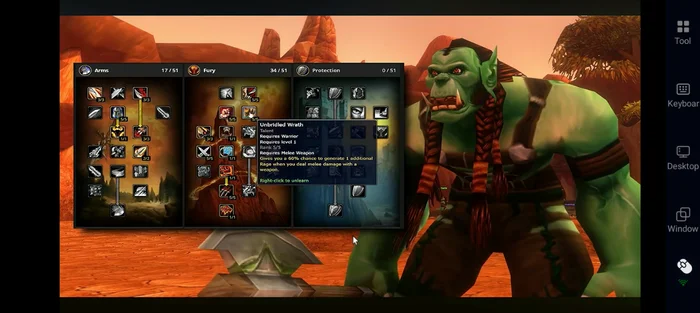
It also has some interesting ways to turn incoming damage into an advantage. Blood Craze provides additional healing, while Enrage increases your damage when it activates after taking hits. Gore Drinker builds on this idea by allowing several of your abilities to make your next three attacks heal you. These talents give Fury more ways to recover during combat, although Enrage is less reliable than it might first appear because it still depends on getting hit.
Fury is more comfortable to play than its aggressive style might suggest, but it still depends heavily on keeping your weapons up to date. Its strongest advantages also come from later talents, so you won't necessarily have everything working together during the early levels. It's a good alternative if you enjoy dual-wielding and faster combat, but Arms offers a more straightforward two-handed playstyle.
Protection Warrior — B Tier
Protection has received some of the biggest improvements in WoW Forever, making it a much more interesting choice for leveling than you might expect. Revenge is a major part of this change, with its base damage increased and Improved Revenge providing another 60% damage. You can also use Shield Slam for additional damage, while Bastion increases your damage by 10% whenever you have a shield equipped. This gives Protection more ways to defeat enemies instead of simply absorbing their attacks.

The really interesting part is how Protection turns its defensive abilities into additional Rage. Shield Specialization grants five Rage whenever you block an attack, while Master of Defense provides another five Rage when you dodge or parry with a shield equipped. This gives you more resources to work with while fighting multiple enemies, and it helps support a playstyle built around using Revenge whenever it's available. You also have Victory Rush for some extra healing after defeating enemies, while being able to Charge and use Thunder Clap in Defensive Stance makes combat more convenient.
Protection won't necessarily kill enemies as quickly as a damage-focused specialization, but its improved damage and resource generation make it much more practical for solo play. You also have the added advantage of being in demand when looking for dungeon groups, so it's easier to switch between questing and tanking when you want a change of pace. If you prefer a durable character that can handle several enemies at once, Protection is well worth considering.
Conclusion
Choosing the right specialization can make your journey to level 60 much smoother, but don't feel like you have to follow the tier list blindly. Whether you prefer the safety of Beast Mastery, the melee damage of Retribution, or the flexibility of Feral Druid, there's plenty of room to play your way. And if you want to keep questing even when you're away from your PC, OSLink lets you remotely connect to your computer and play World of Warcraft: Forever through your mobile device, so you can continue your adventure wherever you go!
 Download