English
Hey, Dice Masters! Ready to roll into a new battle? Random Dice 2 brings back the fun of summoning and merging dice while adding new ways to build stronger boards, including the new 7-Dot Awakening system. For new players, there is more to learn than simply summoning the strongest dice. Building a good deck, understanding the role of each die, managing your board, and knowing when to merge or upgrade can make a big difference when the waves start getting harder.

This Random Dice 2 beginner guide walks you through the core gameplay, dice roles, beginner deck building, positioning, and useful tips to help you make better decisions during each match. If you prefer playing mobile games with a bigger screen and physical controls, OSLink also lets you mirror Random Dice 2 from your phone to your PC, so you can use a mouse and keyboard while keeping the game running directly on your mobile device. You can even use features such as customizable controls and input macros to make longer sessions more comfortable without relying entirely on touch controls.
How to Play Random Dice 2
Random Dice 2 combines dice summoning, merging, upgrading, and board management with different dice abilities and formations. Before experimenting with advanced decks, it is important to understand how these basic systems work and how they affect your decisions during a match.
Build Your Deck
Before entering a match, choose five dice to form your deck. Only the dice in your selected deck can be summoned during the battle, so every slot matters.
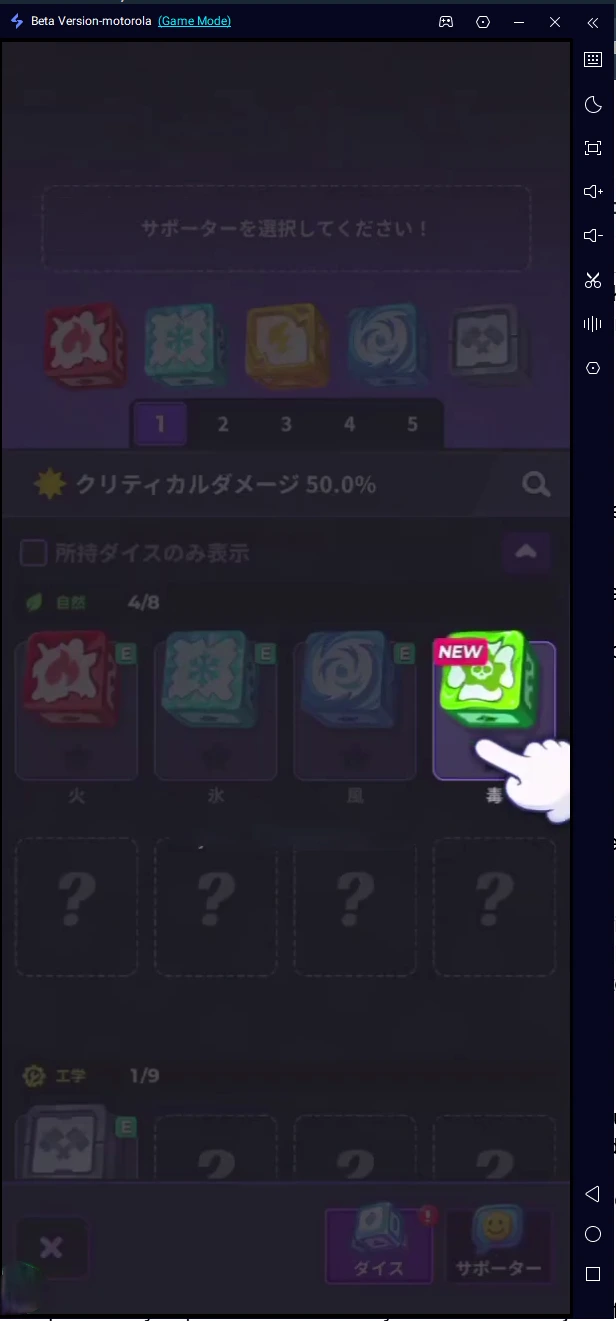
A balanced beginner deck should generally include a reliable damage dealer along with dice that provide control, support, board management, or other useful effects. As you unlock more dice, experiment with combinations that complement each other's abilities rather than choosing five powerful dice that do not work well together.
Summon Dice
At the beginning of a match, you receive SP that can be used to summon dice onto the board. Summoning creates dice from your selected deck, giving you more options for dealing with incoming enemies.
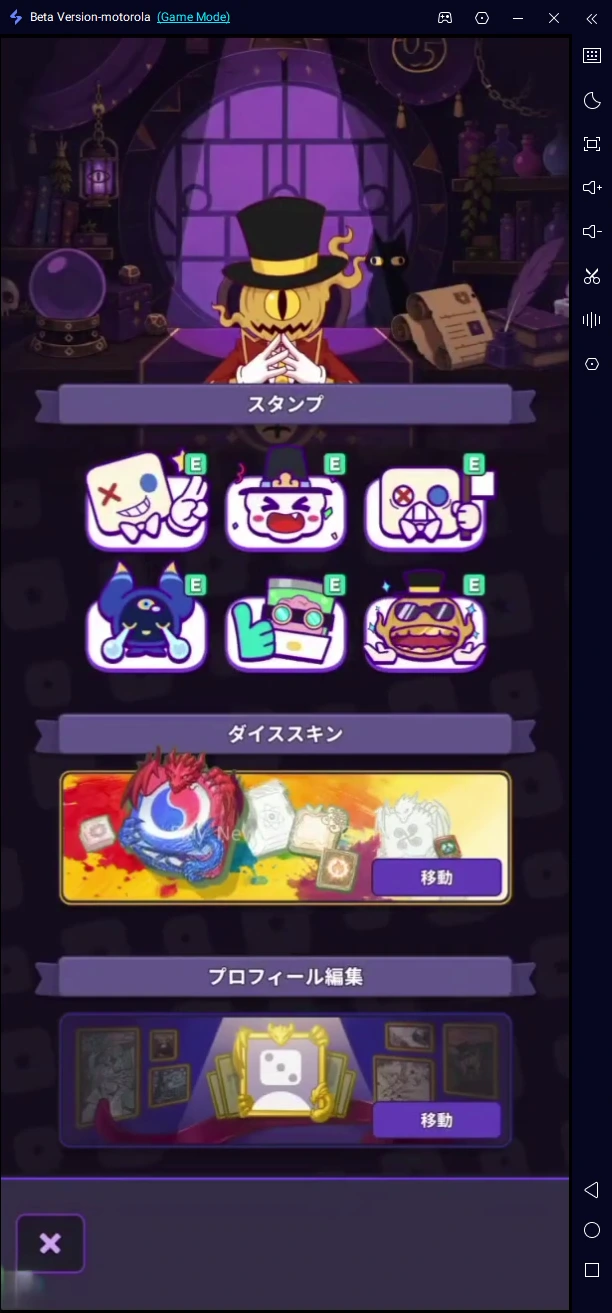
Your board has limited space, so avoid spending all of your SP without considering what your board needs. Some dice and progression effects can also provide additional ways to generate or manage dice, making efficient resource management an important part of longer matches.
Fight Through Enemy Waves
Enemies move along the path toward your base while your dice automatically attack them. Defeating enemies provides resources that can be used to strengthen your board.
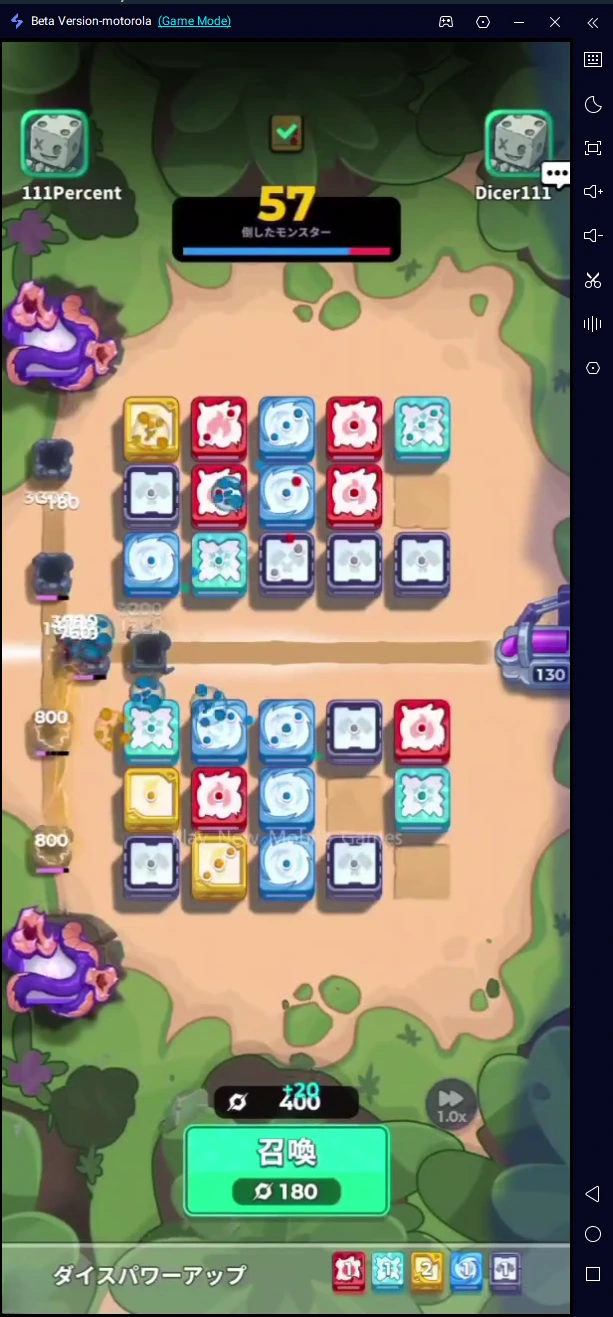
As the waves become more difficult, you will need to balance immediate damage with long-term board development. Do not spend everything just to clear one wave if doing so leaves you unable to prepare for the next one.
Bosses are particularly important because they can create a major difficulty spike. Try to strengthen your main damage dealers and keep useful abilities available before a difficult boss arrives.
Merge Dice Carefully
Merging is one of the main ways to increase the pip count of your dice and manage the board. However, merging should not always be your first priority.
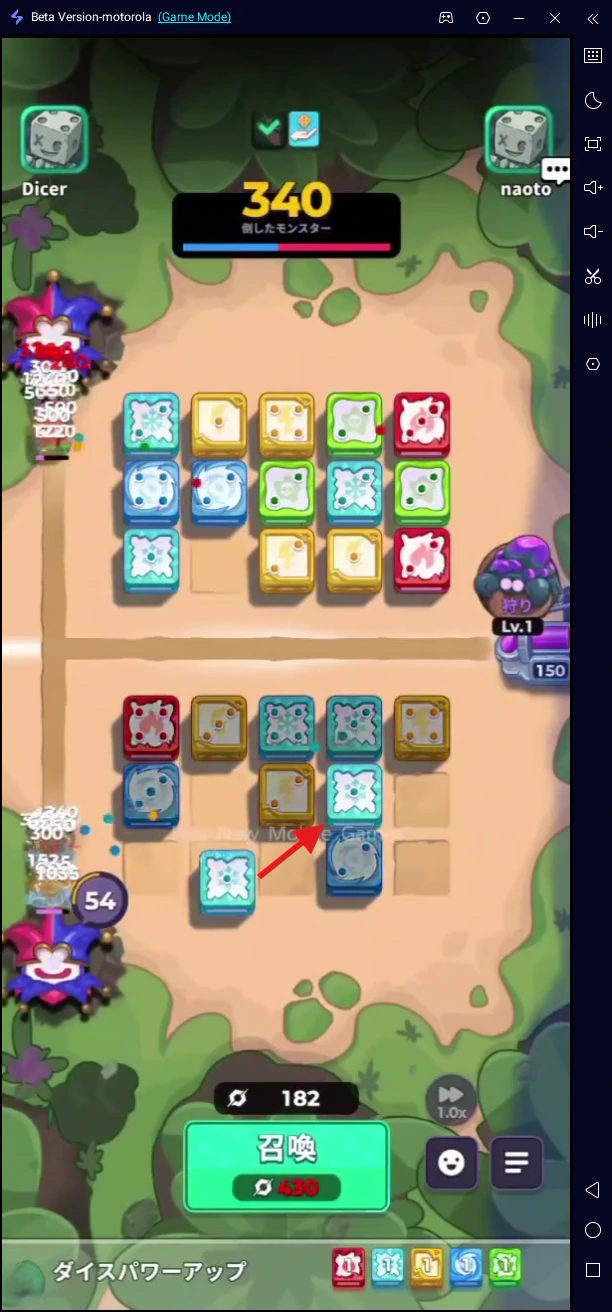
Before merging, consider what you are gaining and what you might lose. A higher-pip die can be useful, but removing a die may also break an important formation, connection, buff, or other board effect.
This becomes especially important with dice that gain bonuses from being positioned next to or connected with other dice.
Upgrade Your Dice
SP can also be used to upgrade your dice during a match. Upgrading can improve a die's damage, attack speed, or other effects depending on the die.
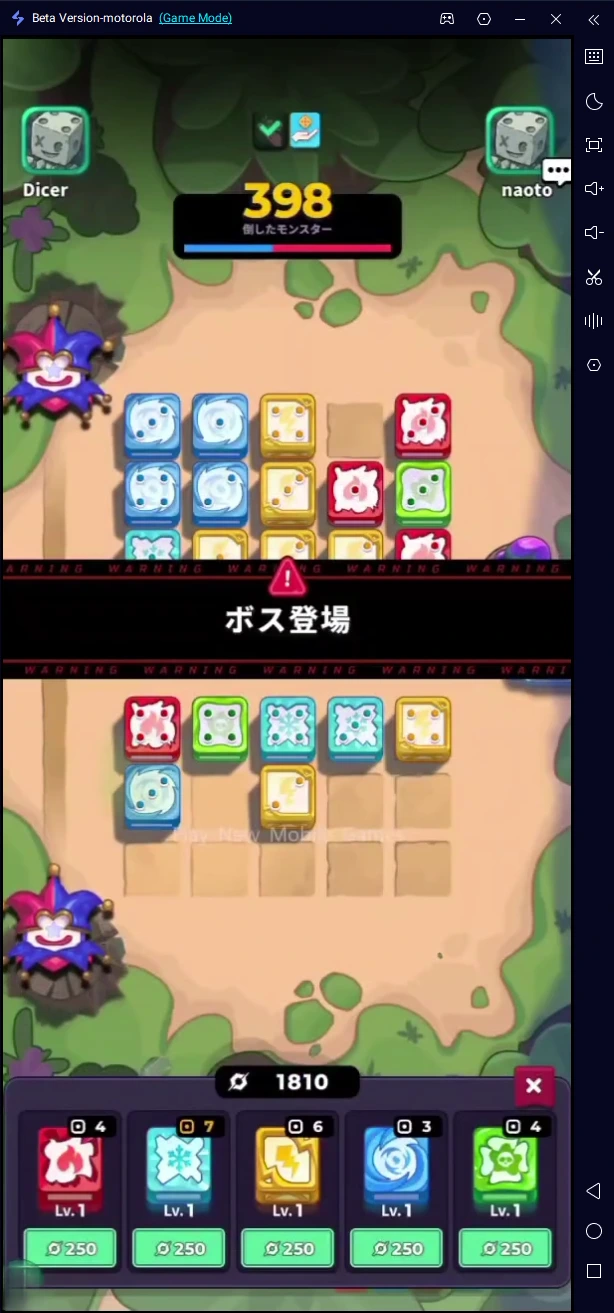
Prioritize upgrades that strengthen the core of your deck instead of spreading your resources evenly across every die. Your main damage dealer will usually deserve the most attention, while support and control dice should be upgraded when their effects provide meaningful value.
Manage Your Board
Your board has limited space, so good board management is just as important as having strong dice.
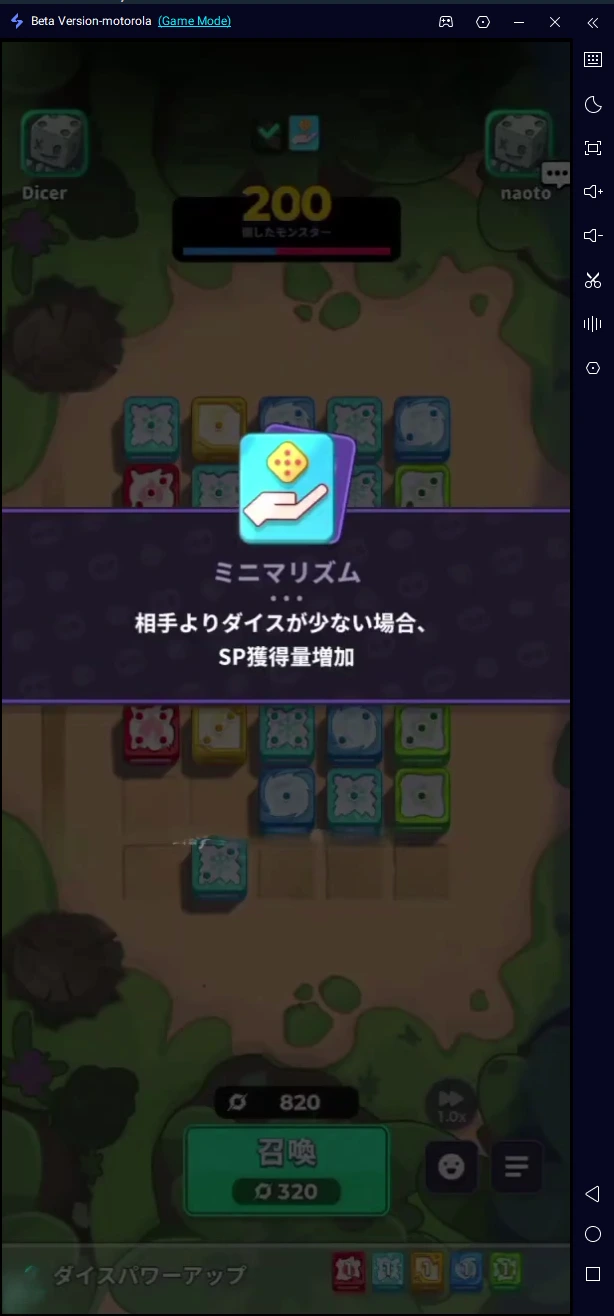
Avoid filling every available position with dice that do not contribute to your strategy. Keep important formations intact, leave room for useful merges, and remove or combine unnecessary dice when your board starts becoming difficult to manage.
Some dice also become stronger when they are connected or arranged in specific formations. In these cases, the best board is not necessarily the one with the highest total pip count. Maintaining the correct arrangement can be more valuable than blindly merging dice together.
Learn the Positioning Requirements of Your Dice
Not every die works the same way. Some dice benefit from being connected to other dice, while others become stronger when placed in particular positions or formations.
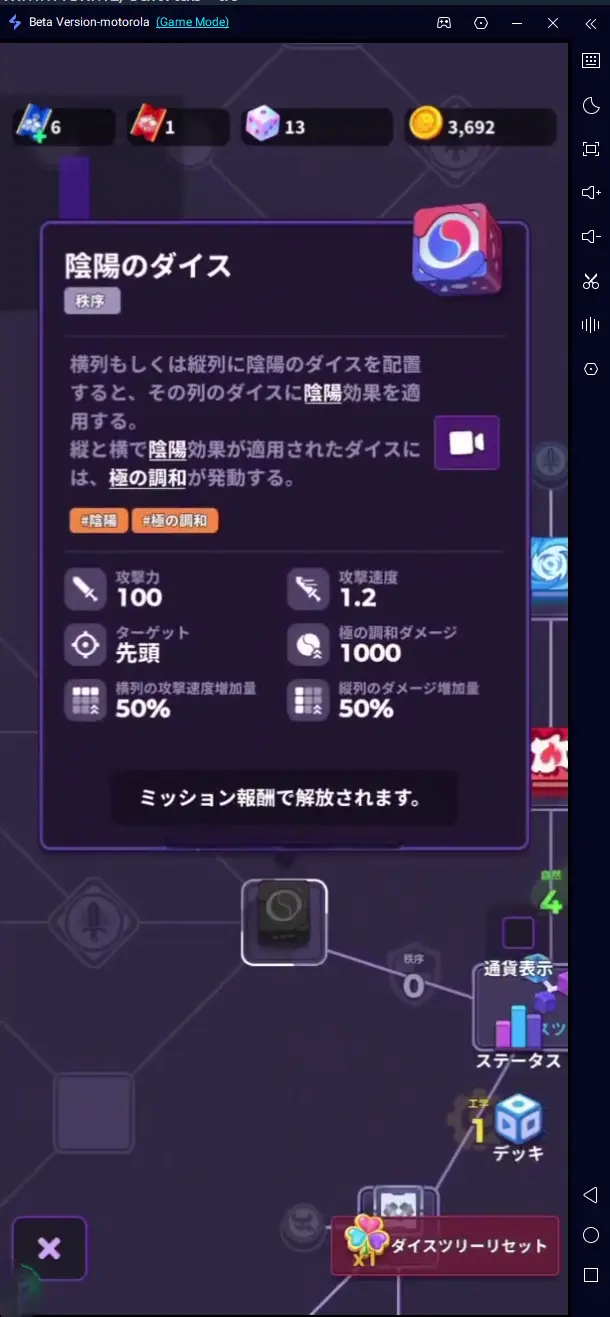
For example, connection-based dice such as Gear reward careful placement because their effectiveness depends on how they interact with other Gear dice. Other dice may provide buffs, control enemies, or deal damage based on where they are placed.
Before moving or merging an important die, check whether doing so will break a useful connection or formation.
Understanding Dice Roles in Random Dice 2
Every die in Random Dice 2 serves a different purpose, and strong decks usually combine several roles rather than relying entirely on damage. Before building your first deck, it helps to understand what each role contributes and how different dice can work together.
| Role | Example Dice | Purpose |
| Main DPS | Typhoon, Wind, Atomic | Deals most of your damage and helps clear waves and defeat bosses. |
| Control | Blizzard | Slows or disrupts enemies, giving your damage dealers more time to attack. |
| Support / Buff | Gear | Strengthens your board through connections and other bonuses. |
| Board Management | Adaptive | Helps deal with unwanted dice and keeps your board from becoming difficult to manage. |
| Reposition | Switch | Moves dice into better positions and helps maintain important formations. |
| Growth | Growth | Provides additional progression during a match, helping your board become stronger over time. |
| Path Damage | Thorn, Spike | Deals damage based on where enemies travel along the path. |
| Formation DPS | Taeguk | Gains powerful bonuses from maintaining specific board arrangements. |
| Debuff | Decay | Weakens enemies or increases the damage they receive, making them easier for your DPS to defeat. |
How Dice Roles Work Together
You do not need one die from every role to build a good deck. Instead, start with one reliable source of damage and then choose supporting dice that help keep that damage effective.
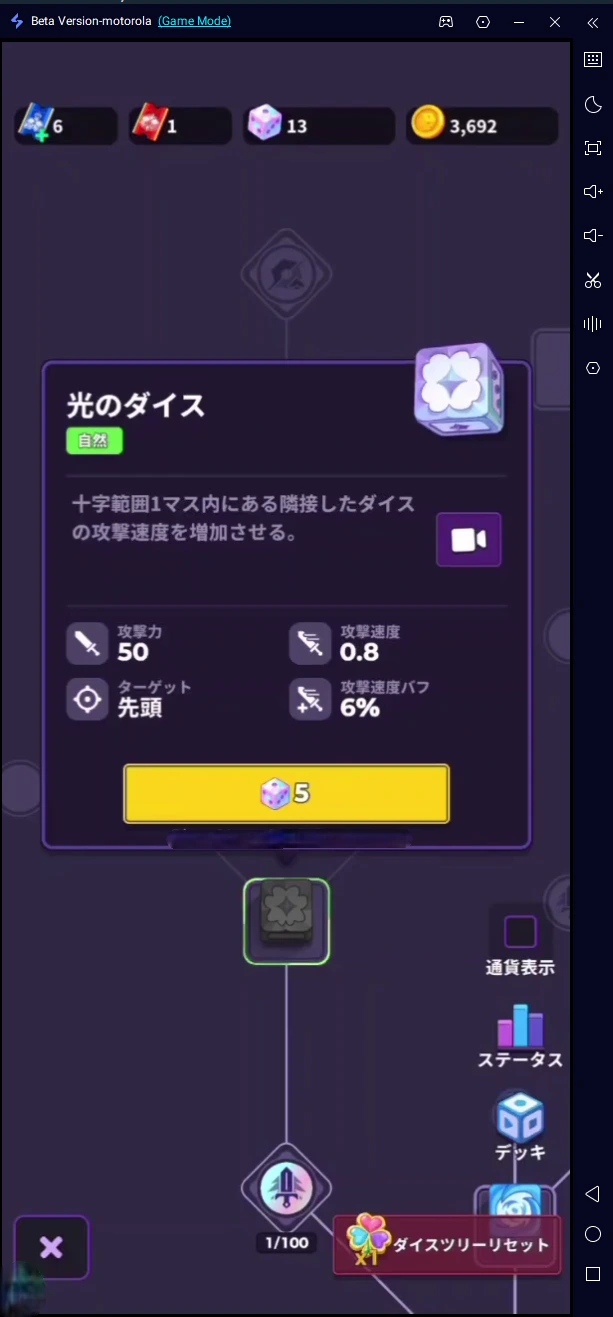
For example, a DPS die can handle most of the damage while a Control die slows enemies and a Support die improves your overall output. Repositioning or Board Management dice can then help you maintain the right board setup as the match progresses.
As you unlock more dice, you can move beyond basic roles and experiment with specialized formations, connections, buffs, and combinations. The best deck is not necessarily the one with the strongest individual dice; it is the one where the dice work together toward the same strategy.
How the Skill Tree Works in Random Dice 2
The Skill Tree is one of the biggest progression systems introduced in Random Dice 2. Instead of only strengthening your dice during battles, you can unlock permanent upgrades that improve specific dice and give them access to additional effects. This makes the Skill Tree an important part of building stronger decks as you progress.
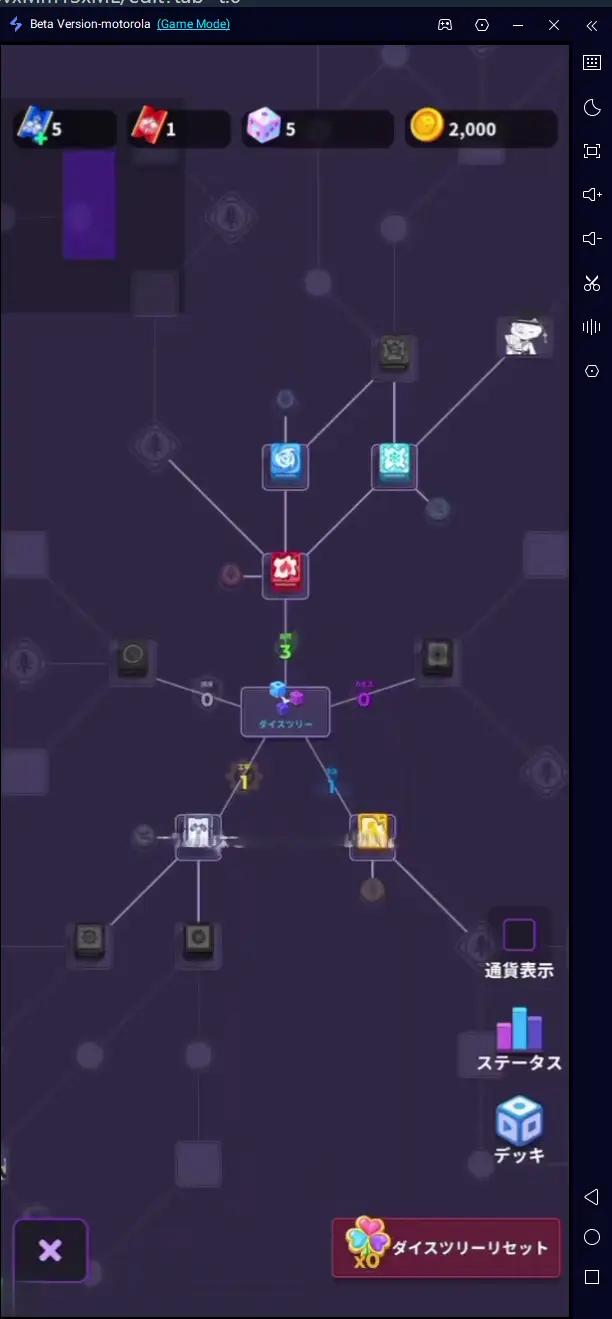
Unlocking Skill Tree Nodes
The Skill Tree is made up of different upgrade nodes connected along branching paths. As you progress, you can spend your available resources to unlock nodes and move deeper into the tree. Different paths can improve different dice or provide different types of bonuses, so your choices can have a direct impact on which strategies work best for your account.
Some nodes provide straightforward stat improvements, such as increased damage or attack speed, while others can strengthen a die's unique ability or unlock additional effects that are not available at the start.
Dice-Specific Upgrades
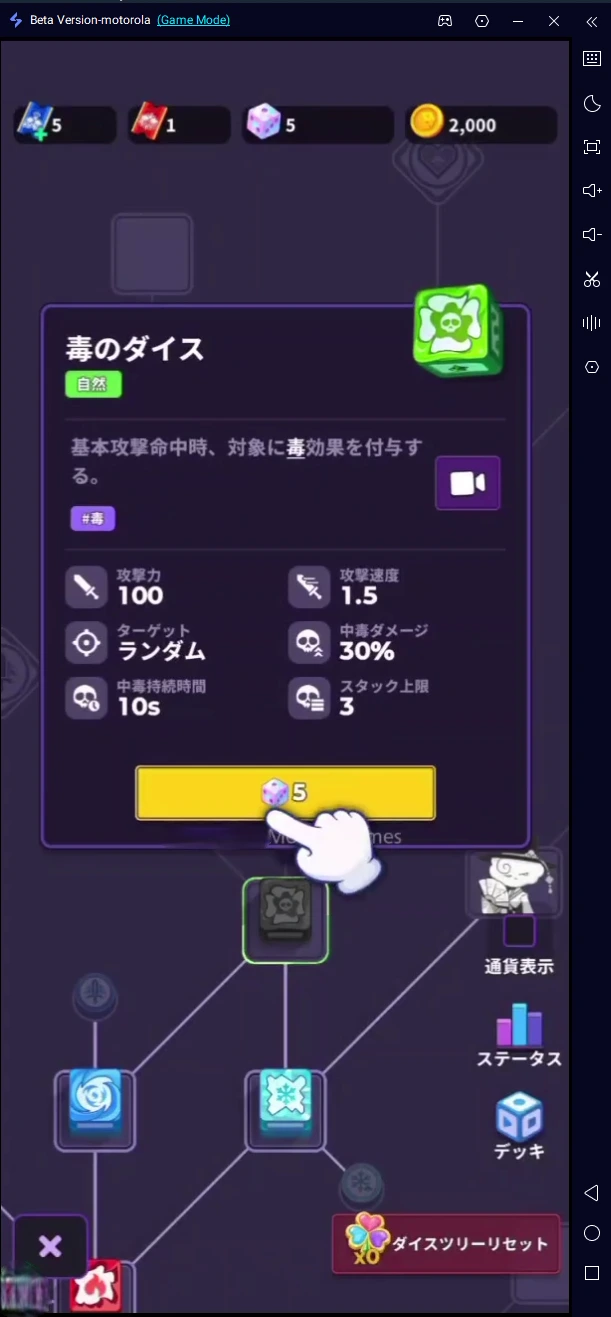
One of the most important things to understand about the Skill Tree is that many upgrades are tied to individual dice. For example, a Skill Tree node may improve a die's attack speed or strengthen one of its special effects.
This means you should consider the dice you actually use before spending resources on a particular branch. Investing heavily in a die that you rarely use may not provide much value, while upgrading a die that forms the core of your deck can significantly improve your overall performance.
Choose Your Path Carefully
The Skill Tree gives you different paths to explore rather than forcing every player into exactly the same progression route. Some branches may work particularly well with certain dice combinations, while others may provide useful utility or improvements for different playstyles.
For beginners, it is usually better to focus on a path that supports the dice you are already using instead of trying to unlock everything at once. As you unlock more dice and learn which strategies suit you, you can make more informed decisions about where to invest next.
Skill Tree Resets
You should not change your Skill Tree choices casually. Resetting your progress requires a special resource, and this resource appears to be relatively limited, especially during the early stages of progression.
Because of this, avoid spending reset resources simply to experiment with random paths. Take some time to understand which dice and strategies you want to build around before committing to major changes.
How the Skill Tree Affects Your Deck
The Skill Tree and deck building work together. A strong deck is not only determined by which five dice you bring into a match; the upgrades you have unlocked for those dice can also influence how effective the deck becomes.
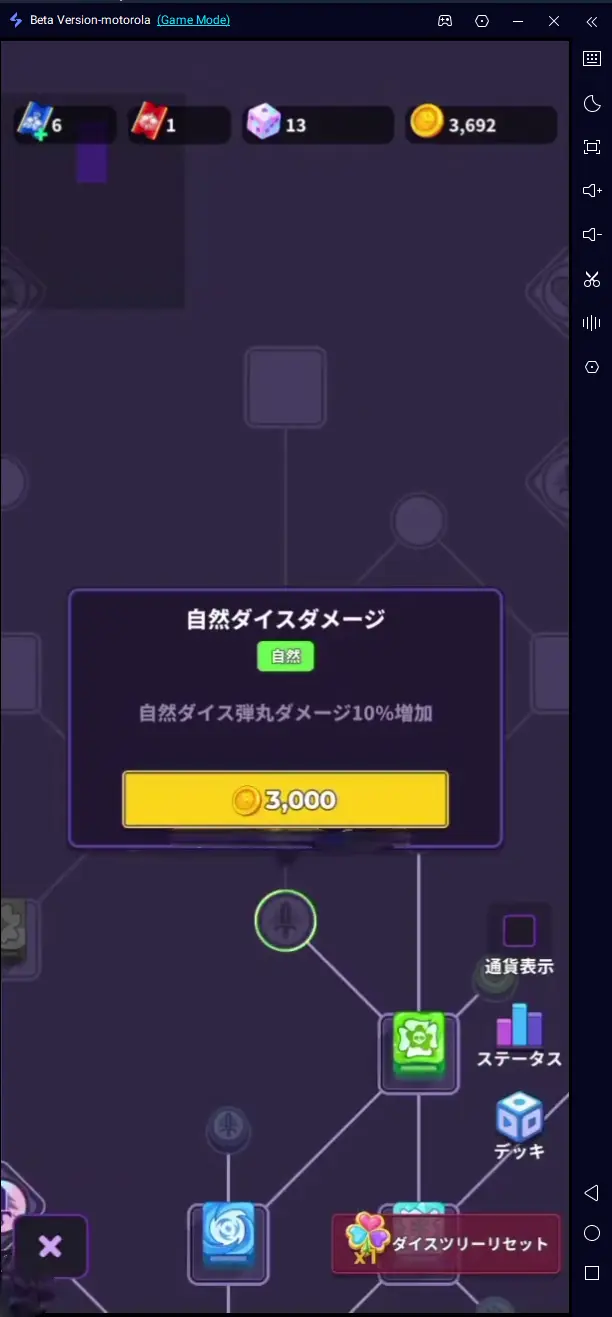
For example, if your main DPS receives Skill Tree upgrades that improve its attack speed or unique ability, investing further in that die can make it a more effective centerpiece for your deck. Likewise, upgrades that improve summoning, buffs, debuffs, or other utility effects can change which supporting dice work best alongside it.
For this reason, think of the Skill Tree as an extension of your deck rather than a completely separate progression system.
Skill Tree Tips for Beginners
- Focus on the dice you actually use: Prioritize upgrades that directly improve the core of your current deck.
- Understand a branch before committing: Check what future nodes provide before spending resources on a path.
- Do not chase every upgrade: You do not need to unlock every branch immediately.
- Save reset resources: Skill Tree resets can require valuable resources, so use them carefully.
- Build around your strategy: Choose upgrades that complement your preferred damage, control, support, or formation-based strategy.
- Experiment gradually: As you unlock more dice and learn the game, you can make better decisions about which branches are worth investing in.
Build a Beginner Deck in Random Dice 2
With the basic dice roles understood, you can start putting together a deck that is easy to use and flexible enough for early progression. As a beginner, avoid trying to copy complicated meta decks before you understand why they work. Instead, build around one clear damage plan and use the remaining slots to support it.
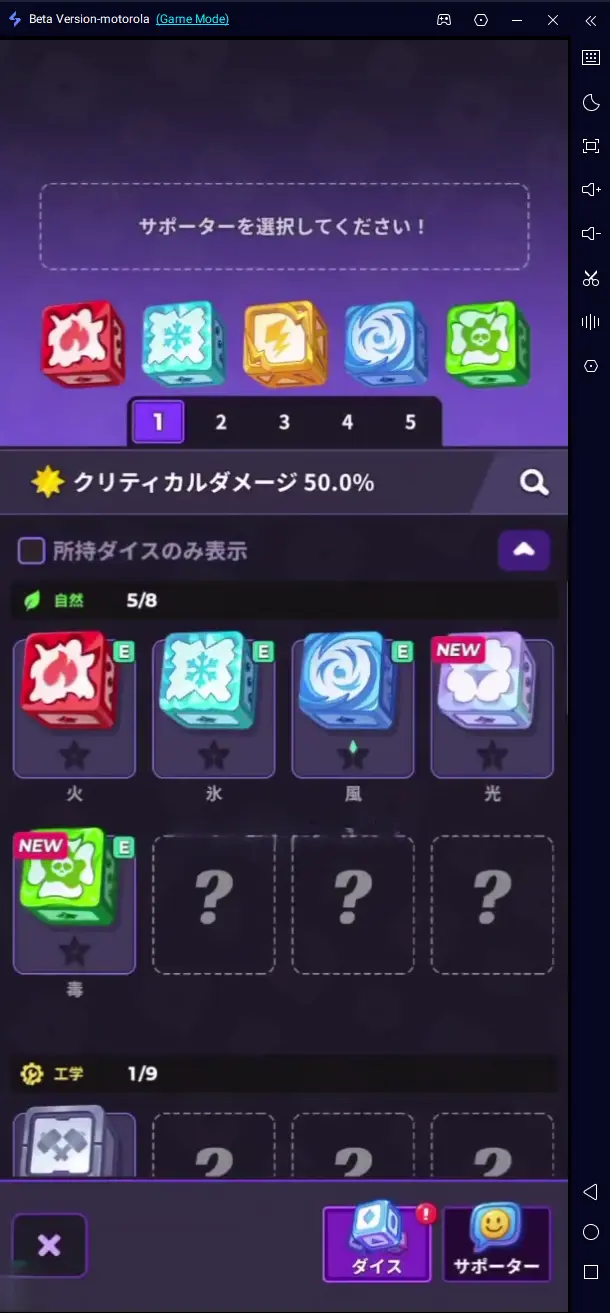
A simple beginner deck can follow this structure:
- Main DPS: Start with one reliable damage dealer, such as Typhoon, Wind, or another die that can consistently clear waves and deal with bosses.
- Control or Utility: Add a die that helps manage enemies or gives your DPS more time to work, such as Blizzard.
- Positioning: Use Switch when your main damage dealer or formation benefits from specific board placement.
- Board Flexibility: Adaptive can help when you need to manage unwanted dice and keep your board usable.
- Flexible Slot: Use the final slot for another damage dealer, support dice, buff, or other utility that complements your main strategy.
The goal is not to fill every slot with a different role just for the sake of balance. Your choices should support the same win condition. If your main DPS depends heavily on positioning, for example, a repositioning dice can be more valuable than adding a second damage dealer.
As you unlock more dice and improve them through progression, you can gradually replace individual slots and test more specialized combinations. This approach also makes it easier to understand why a deck works instead of simply copying a setup without knowing how to use it.


 AFK Anywhere, Progress Anytime

Conclusion
Once you understand how your dice work, build a balanced deck, and learn when to merge, upgrade, or reposition, Random Dice 2 becomes much easier to manage as the waves get tougher. Keep practicing with one deck until you understand its strengths, then experiment with new combinations as you unlock more options. If you prefer a bigger screen and physical controls for longer sessions, OSLink lets you mirror the mobile game to your PC, giving you mouse and keyboard control while the game continues running on your phone.
 Download