English
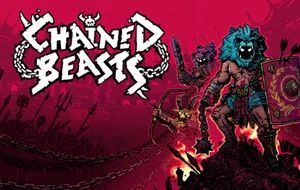
What happens when you chain animal gladiators together and throw them into brutal arena battles? That's the chaotic idea behind Chained Beasts, a game that combines wild combat, hilarious chain physics, and unpredictable encounters to create a unique experience. If you're thinking about buying the game, this Chained Beasts review covers its gameplay, key features, beginner tips, and everything you need to know before jumping in.
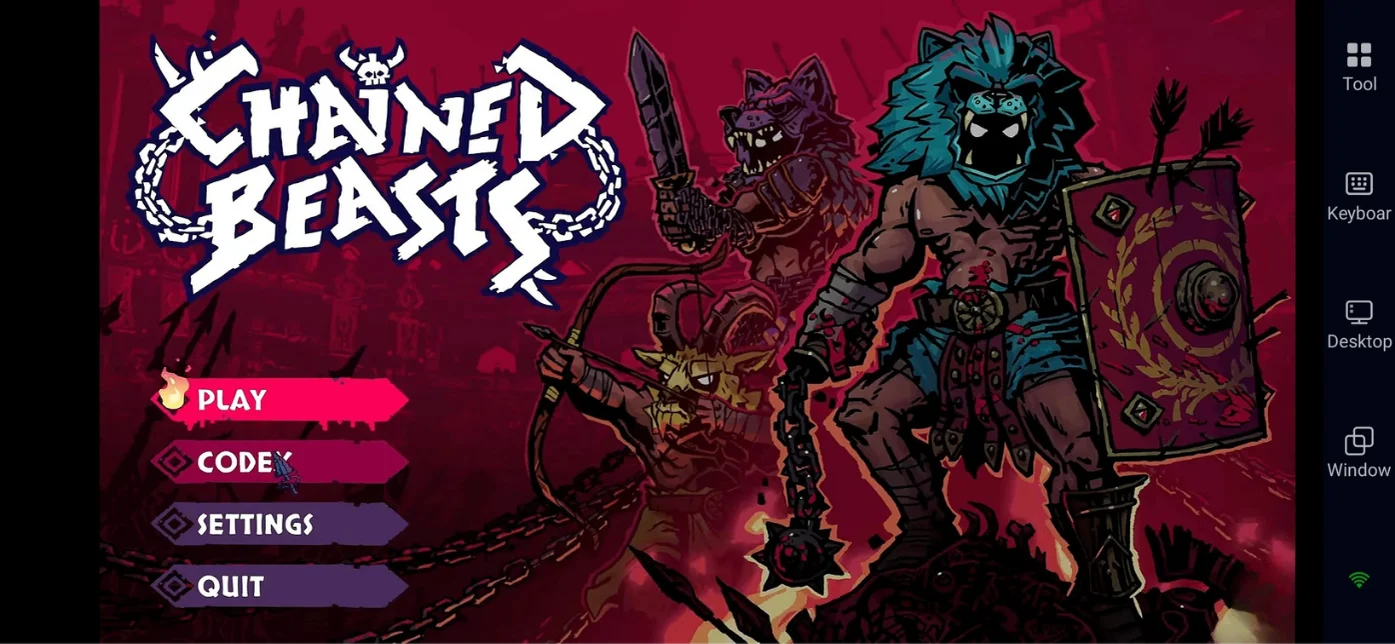
You don't always have to be at your PC to enjoy Chained Beasts. With OSLink, you can remotely access your PC and play Chained Beasts directly on your mobile device. Whether you're fighting dangerous enemies or enjoying chaotic co-op sessions, you can pick up where you left off and continue playing even when you're away from your computer.
Chained Beasts – Quick Overview
Here are the key facts to know about Chained Beasts, including its release date, developer, platforms, and gameplay style.
-
Release Date: October 15, 2026
-
Developer: Featherweight Games
-
Price: Regular price: $19.99; 35% launch discount for the first two weeks: $12.99
-
Platforms: PC (Steam + Microsoft Store), PlayStation 5, Xbox Series X|S, Nintendo Switch
-
Players: 1–4 players
-
Game Modes: Single-player and multiplayer co-op
-
Genre: Action, Co-op, Gladiator Roguelike
-
Game Pass: Day-one on Xbox Game Pass Ultimate and PC Game Pass
What Is Chained Beasts?
Chained Beasts is a co-op action gladiator roguelike game where you play as anthropomorphic animal gladiators, including lions, bears, and wolves, fighting to survive brutal arena battles. Your goal here is to defeat enemies, win the crowd’s favor, and fight your way toward freedom or revenge by reaching Rome.
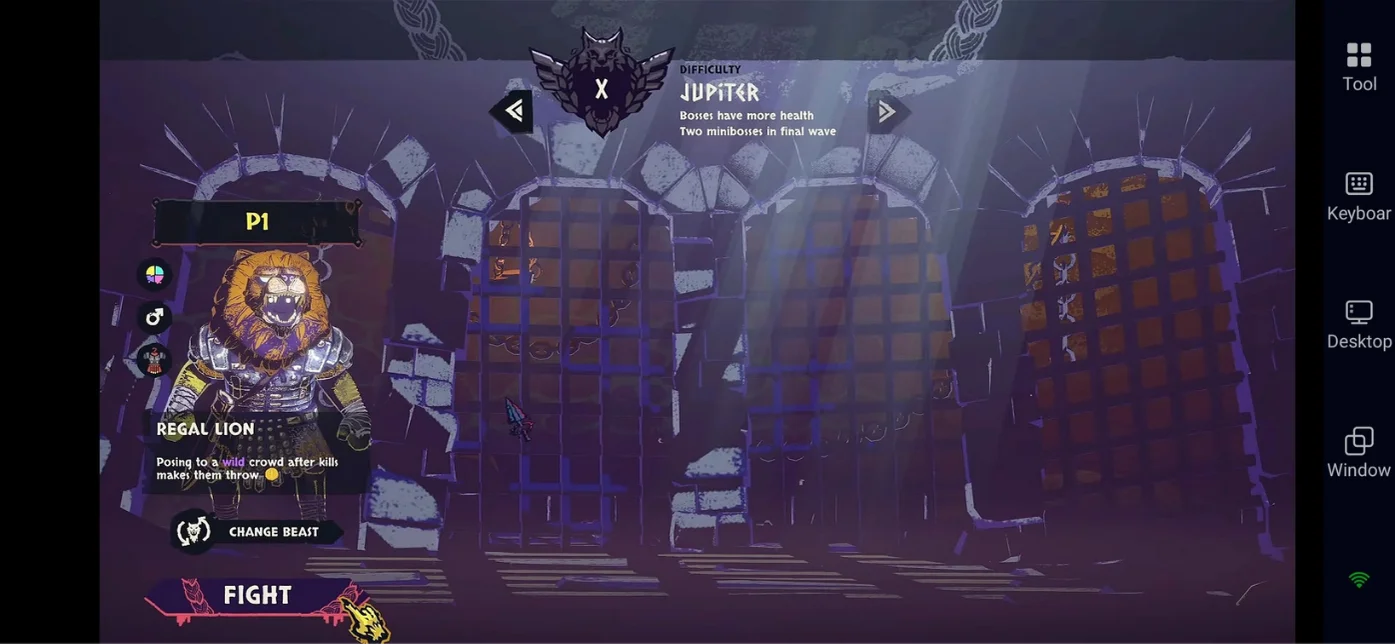
The game's defining twist is that you and your teammates are physically connected by chains. This creates chaotic battles where you must coordinate your movements and attacks to survive. With physics-based combat, creative ways of dealing with enemies, hilarious moments with animal fighters and roguelike progression, Chained Beasts offers an epic wild gladiator experience for those who enjoy playing solo or in co-op groups.
Chained Beasts Gameplay and Unique Mechanics
Chained Beasts combines arena combat with chain physics, character builds, and roguelite progression. As a player you must do more than defeat enemies: positioning, weapon choices, and upgrade decisions all influence how each run unfolds. These mechanics create plenty of opportunities for creative plays, although they can also make encounters unpredictable.
Chain Physics and Arena Positioning
The chain system is one of Chained Beasts' defining mechanics, affecting how you move, attack, and cooperate during arena fights. Instead of moving completely independently, connected gladiators must account for one another's positions and avoid getting caught on obstacles.
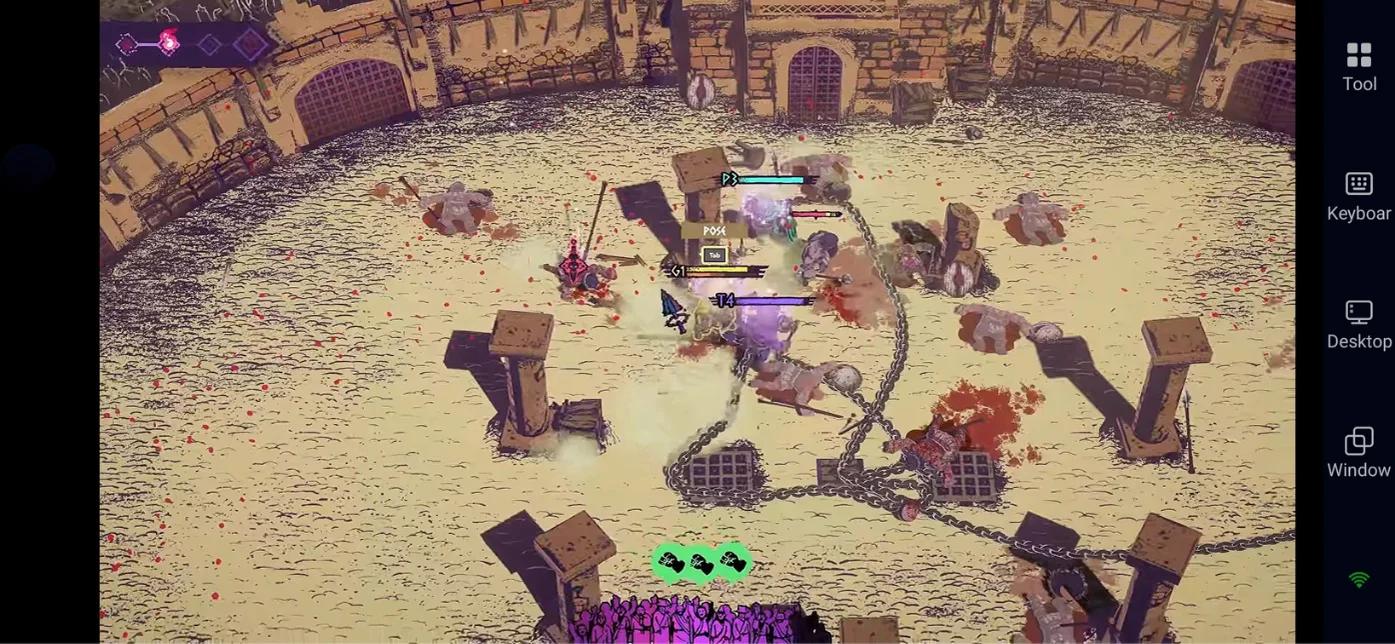
Chain arrangements can change between encounters, creating different challenges:
-
Connected teammates: Players must coordinate their movements instead of spreading out without considering the chain.
-
Chains around obstacles: Pillars and other arena objects can restrict movement or pull players away from their intended targets.
-
Chains attached to objects: Certain encounters introduce additional positioning challenges involving heavy objects or arena mechanisms.
-
Tight spaces and enemy groups: Poor positioning can leave players struggling to move freely or help a teammate in danger.
Learning how to handle these situations can make a big difference. Moving together helps you avoid pulling your teammates into danger, and knowing how to move around the arena can help you use the chain to your advantage.
The chain is also a big part of what makes the game fun and unique. One wrong move can interrupt your attack or pull your teammate into trouble. This can lead to funny moments when things go well, but it can also get frustrating when everything goes wrong. Whether you enjoy this mechanic or not will depend on how much you like the chaos that comes with it.
Combat, Weapons, and Environmental Hazards
Combat in Chained Beasts is about more than just attacking enemies. You can block attacks, dodge out of danger, throw objects, and use things in the arena to gain an advantage. Knowing when to attack and when to defend can help you handle tough fights and create chances to strike your enemies.
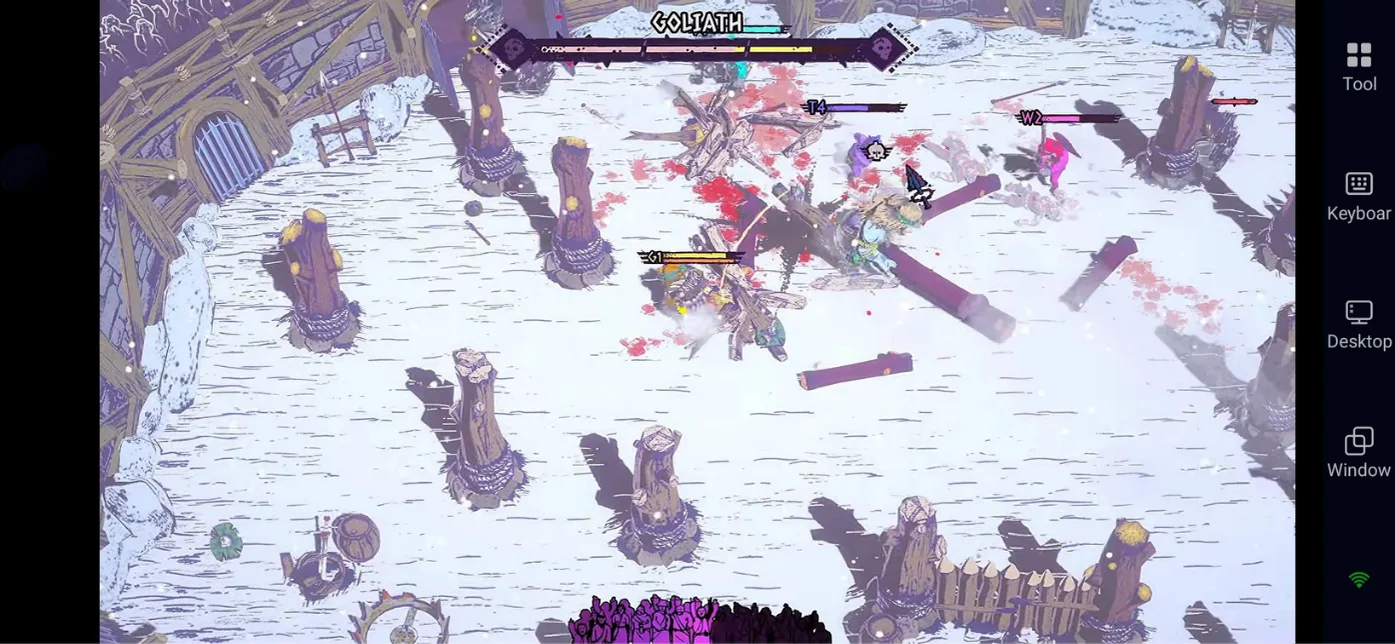
Here are the main combat mechanics you should know about:
-
Light and heavy attacks: Use different attacks to deal damage and find openings to strike your enemies.
-
Blocking and parrying: Defend yourself against enemy attacks and look for chances to counterattack.
-
Dodging: Avoid incoming attacks and move out of danger when enemies get too close.
-
Executions: Finish off weakened enemies, but watch out for other enemies while doing so.
-
Throwing weapons and objects: Attack enemies from a distance or throw objects to get an advantage during a fight.
-
Environmental hazards: Use traps and other features in the arena to damage enemies or deal with groups.
-
Chain interactions: Use the chain to trip enemies or put them in a bad position, giving you a chance to follow up with another attack.
You can choose from weapons such as swords, spears, maces, and flails, each offering a different way to fight. Some fights may be easier if you attack aggressively, while others require you to wait for the right moment to strike or use the arena to your advantage.
How you fight also affects the crowd's reaction. Varying your attacks, throwing weapons and objects, and using the arena creatively can make combat more exciting than repeatedly relying on the same move.
Beast Abilities and Character Builds
In Chained Beasts, you can combine different beasts and abilities to create your own fighting style. Some builds focus on dealing as much damage as possible, while others help you stun enemies, move around more easily, or support your teammates.
Depending on the abilities and upgrades you choose, you can try different builds, such as:
-
Damage-focused builds: Focus on attacks that deal heavy damage to enemies and bosses.
-
Stun-focused builds: Use abilities that stun enemies and give you more chances to attack them.
-
Support builds: Choose abilities that help your teammates during fights.
-
Weapon-focused builds: Build around your favorite weapon and make the most of its attacks.
For example, you can create an unarmed build that focuses on punch damage and stunning enemies, giving you more chances to attack when they cannot fight back. You can also focus on weapon attacks or choose abilities that help your whole team.
As you progress through a run, upgrades can make your build stronger and help you improve your fighting style. However, even a powerful build won't save you from every situation. You still need to watch your position, time your attacks, and be careful when the chains limit your movement or several enemies attack you at once.

 Pre-set Keymaps for Easy Play

Roguelite Progression, Upgrades, and Afflictions
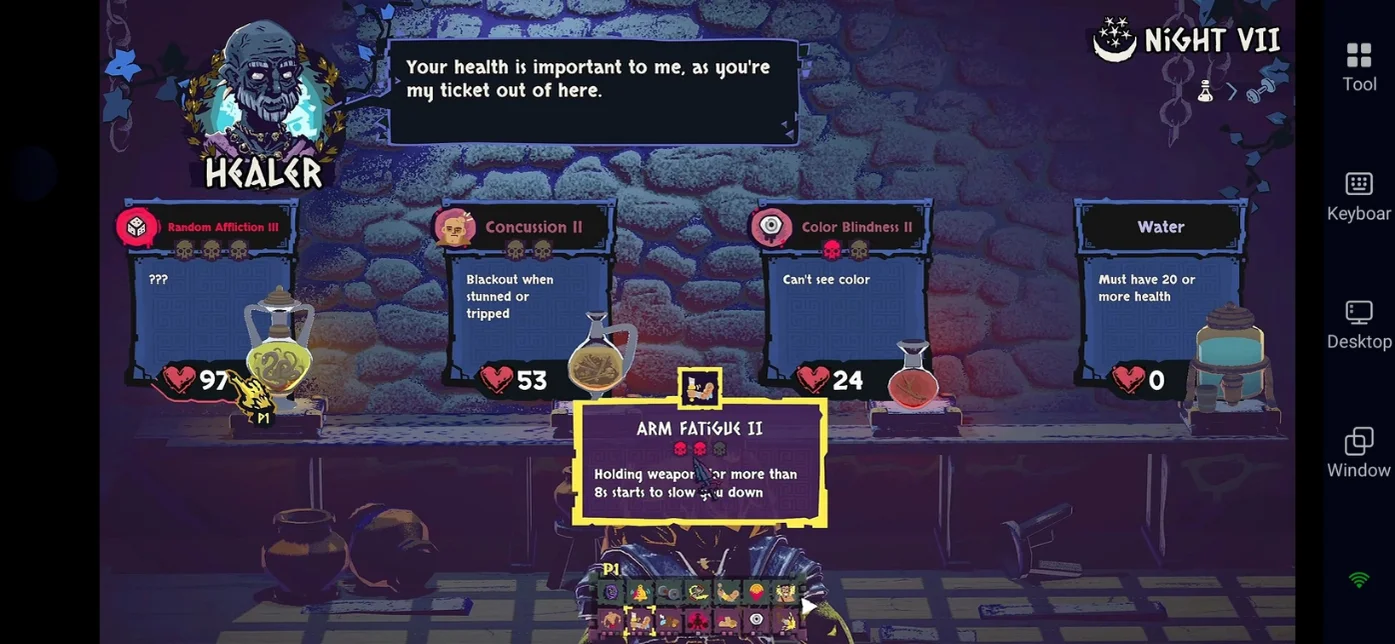
Each run in Chained Beasts can play out differently depending on the upgrades you choose. After fights, you can pick upgrades to make your character stronger or improve your chosen fighting style. Some upgrades help you deal more damage, while others make it easier to stun enemies or gain other advantages in combat.

Here are some important things to keep in mind when choosing upgrades:
-
Individual upgrades: Improve your character's abilities or make your current build stronger.
-
Shared upgrades: Require you and your teammates to decide who receives a reward when multiple players want it.
-
Upgrade combinations: Let you combine different upgrades to make your build more effective as you progress.
-
Afflictions and drawbacks: Add disadvantages that can make certain upgrades harder to use.
-
Healing and recovery: May come with a cost, so think carefully before choosing an option that restores your health.
Shared upgrades can make multiplayer runs more interesting. If you and a teammate both want the same reward, you'll need to decide who benefits from it the most. This adds another layer to the game, as choosing an upgrade is not always just about what makes your own character stronger.
You also need to be careful with afflictions. An upgrade might look useful at first, but its drawback could make later fights more difficult. Before making your choice, consider how it fits your build and whether you're willing to deal with its downside.
In the end, getting stronger isn't just about picking the most powerful upgrades. You also need to make smart choices, deal with the drawbacks, and adjust your build as each run becomes more challenging.
Crowd Favor and Combat Variety
In Chained Beasts, the crowd is more than just there to watch your fights. You need to keep them entertained by trying different moves instead of using the same attacks over and over again.
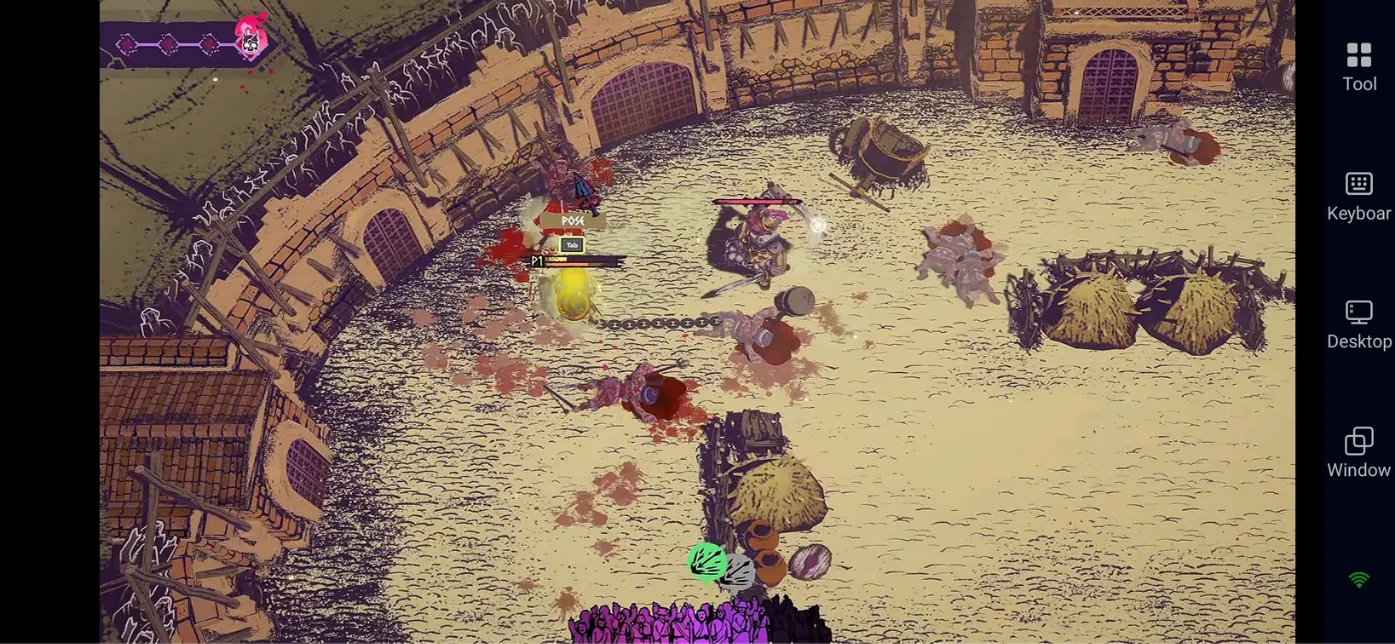
Here are a few ways you can keep the crowd entertained:
-
Different attacks and moves: Mix up your attacks instead of relying on the same move every time.
-
Throwing weapons and objects: Use whatever you can find to make your fights more interesting.
-
Executions: Finish off weakened enemies with executions.
-
Environmental hazards: Use traps and other features in the arena to deal with your enemies.
If you keep repeating the same moves, the crowd may become less interested. Mixing up your attacks and trying different ways to fight helps keep them entertained while giving you more reasons to experiment with the combat system.
However, don't focus so much on entertaining the crowd that you forget about your own survival. If enemies surround you, getting out of danger is more important than trying to pull off an impressive move. You'll need to find a balance between keeping the crowd happy and staying alive, especially when fights get chaotic.
Chained Beasts Multiplayer – Co-op vs. Solo
Chained Beasts supports up to four players, and playing with friends can make its chaotic fights even more fun. However, the chains can make teamwork tricky, especially when everyone moves in different directions or tries to attack the same enemy.
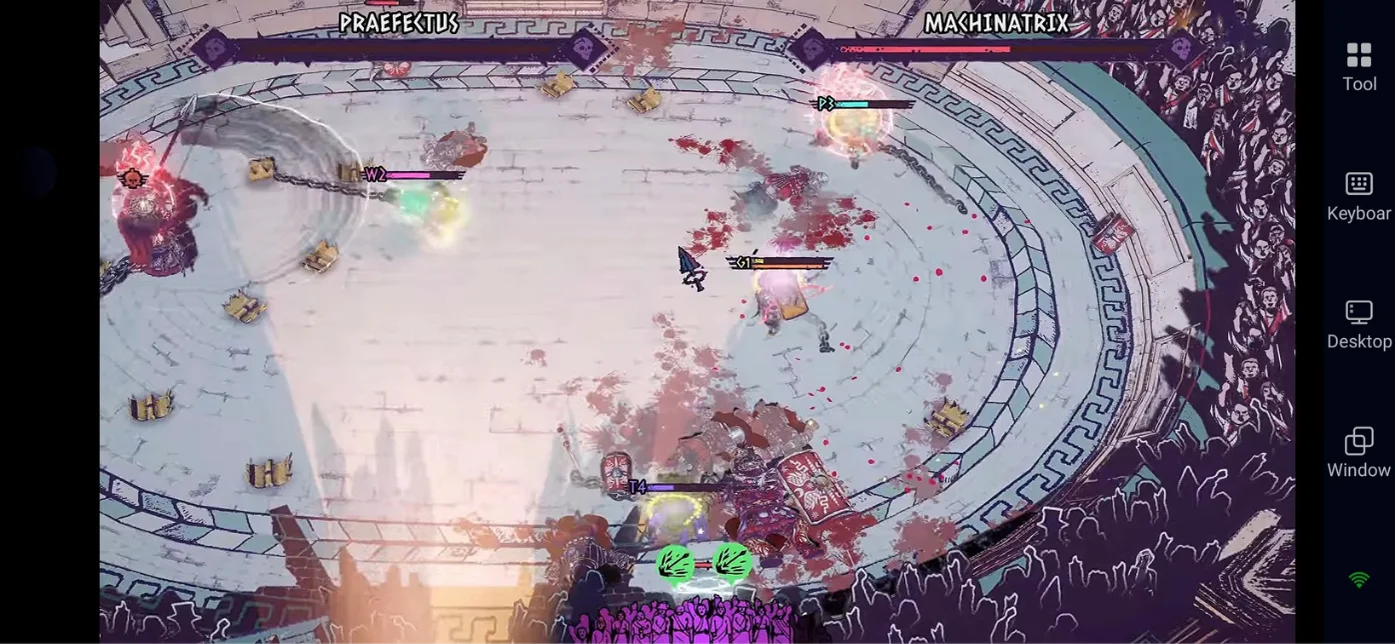
- Playing with Friends: Working together can make fights easier, but you'll need to watch your teammates' movements and decide who should take shared upgrades. Different fighting styles can also lead to funny and unexpected moments.
-
Playing Solo: You can still enjoy the main combat and upgrade systems on your own, but you'll miss out on the extra chaos and teamwork that come with playing with friends.
-
Cross-Platform Multiplayer: You can team up with friends on different platforms if cross-platform play is supported between them. Check the current platform restrictions before buying the game if you plan to play together.
Overall, playing with friends is a big part of what makes Chained Beasts fun, especially if you enjoy chaotic co-op games where things can go wrong at any moment. You can still play solo, but if you're mainly interested in the game for its funny multiplayer moments, it's worth considering how much you'll enjoy playing alone.
Chained Beasts – Beginner Tips and Useful Mechanics
A few details are worth keeping in mind when starting Chained Beasts, especially when playing with friends.
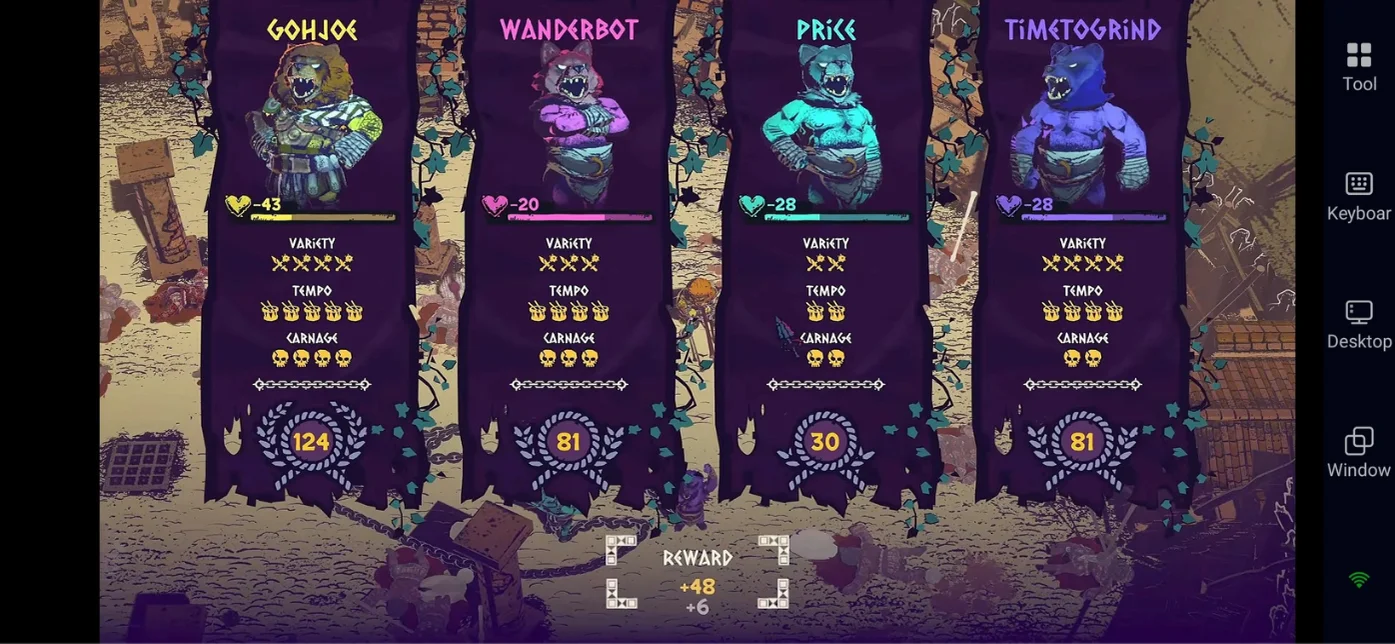
- Know When to Help a Teammate: When a player goes down, pay attention to the remaining enemies and the state of the fight before deciding how to respond. Sometimes surviving the encounter is the priority.
-
Be Careful During Executions: Executing a vulnerable enemy doesn't mean you're safe from other attackers. Check your surroundings before committing to the move.
-
Learn From Each Run: Not every upgrade choice or combat approach will work equally well in every situation. Pay attention to what causes trouble and adjust your strategy in the next encounter.
The key is to stay aware of what's happening around you and adapt as each fight unfolds. With unpredictable chain physics and changing combat situations, being flexible is often more useful than relying on the same approach every time.
Is Chained Beasts Worth Buying?
Chained Beasts is worth considering if you enjoy chaotic action games, physics-driven combat, and experimenting with different builds. Its chain mechanics give arena battles an unusual twist, while the roguelite progression adds variety between runs. It's particularly appealing to players looking for a cooperative game to enjoy with friends.
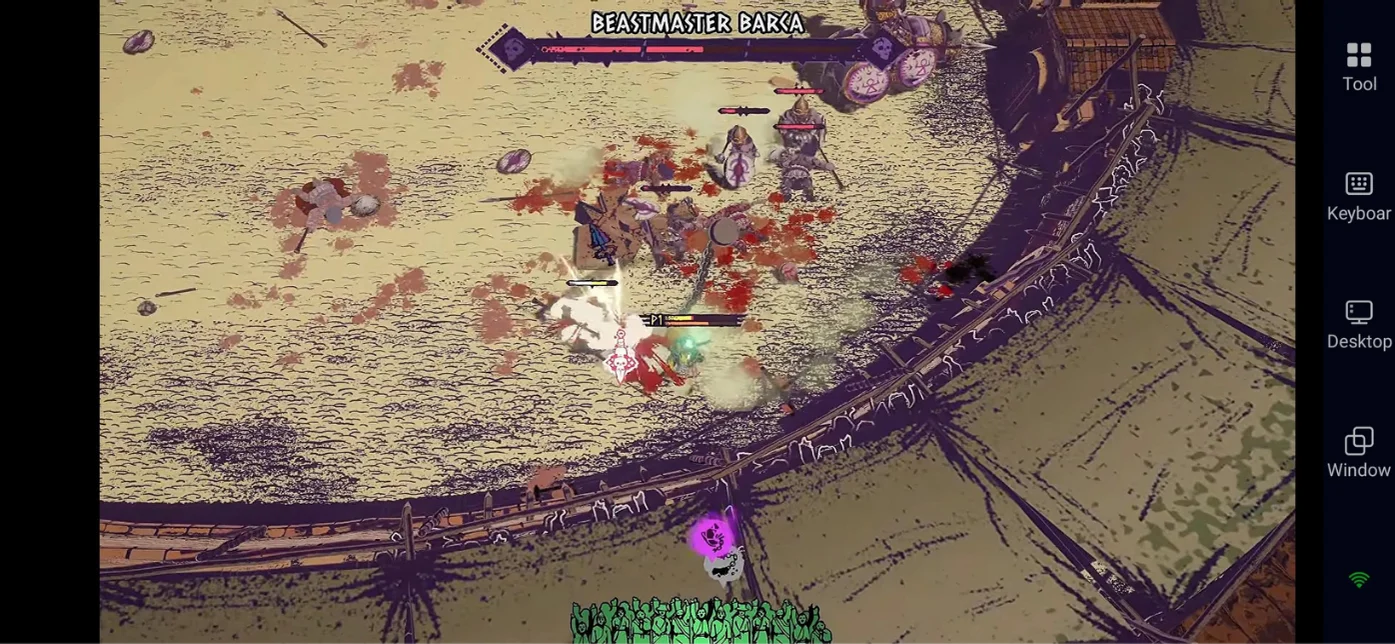
However, the same chain physics that make the game distinctive can also become frustrating, especially when movement and teamwork don't go as planned. Multiplayer is a major part of its appeal, so solo players should consider whether the combat and progression are enough to keep them interested without the extra fun of playing with others.
At its listed launch price of $12.99 with the introductory discount, Chained Beasts could be a good choice for players who enjoy its particular style of chaotic combat. If you have access to a supported Game Pass subscription, that may also be an alternative way to try it. Check the current price and availability before purchasing, as launch promotions and subscription catalogues can change.
Final recommendation: If you have friends to play with and enjoy unpredictable co-op action, Chained Beasts is worth a look. If you prefer tightly controlled combat or mainly play solo, consider the game's physics-driven design carefully before buying.
Conclusion
This Chained Beasts review and beginner guide covers the game's chain physics, combat mechanics, character builds, and multiplayer features to help you prepare for the arena. Whether you prefer playing solo or with friends, understanding these systems can help you handle chaotic battles more effectively. If you want to continue playing away from your PC, OSLink lets you stream Chained Beasts to your phone and enjoy the action remotely.
 Download