English
  Blog Game Guide Valor Mortis Beginner Guide: Essential Tips for Combat, Progression, and Exploration
Starting a new action game can be challenging when you're still learning its combat mechanics, progression systems, and exploration features. This Valor Mortis beginner guide will help you get familiar with the essentials and make your early hours more manageable, whether you're new to Soulslike games or looking for a better understanding of how everything works.
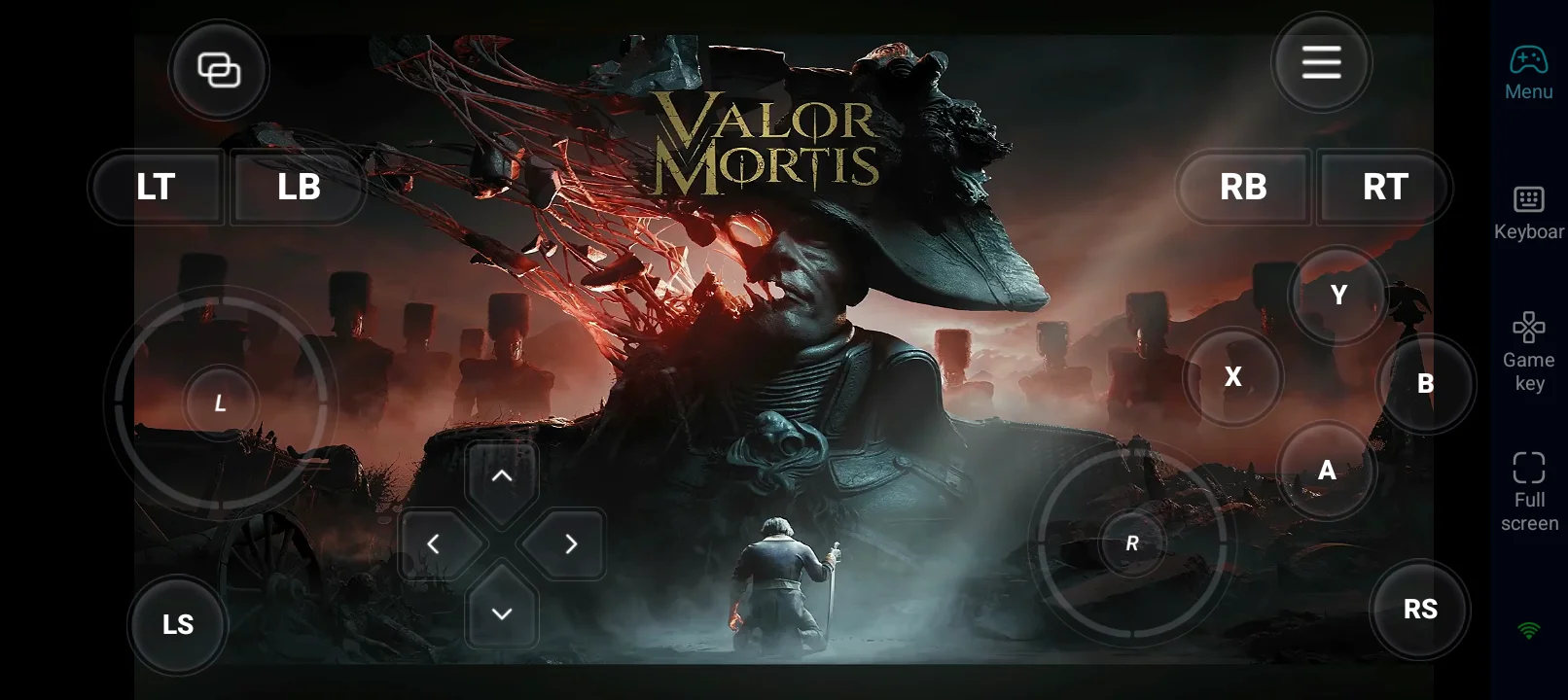
We'll cover the key things you need to know, along with practical beginner tips to help you approach difficult encounters, make progress, and get more out of your time in the game. If you want to continue your journey through supernatural Napoleonic Europe while away from your PC, OSLink lets you remotely play Valor Mortis on your mobile device, giving you another way to explore its dark world and face challenging enemies beyond your usual gaming setup.
What Is Valor Mortis?
Valor Mortis is a first-person action Soulslike from One More Level, the studio behind Ghostrunner. Set in a dark, supernatural version of Napoleonic-era Europe, it follows soldier William Dowsett, who rises from his battlefield grave to discover a continent devastated by a mysterious plague. Historical figures, horrifying enemies, and supernatural forces shape its grim world.

The Valor Mortis gameplay combines first-person melee combat, firearms, parrying, dodging, and supernatural abilities. Players must learn enemy patterns, manage stamina, and exploit openings while exploring hidden paths, uncovering secrets, and upgrading their abilities.
The Standard Edition costs $39.99, while the $59.99 Deluxe Edition includes cosmetic content and a planned story expansion. The game is also available on Xbox Game Pass at launch. The developers estimate around 20 hours of story content, making Valor Mortis an appealing option for players who enjoy challenging combat, atmospheric exploration, and story-driven action.
Valor Mortis Combat Basics: Stamina, Defense, and Timing
Learning how to fight effectively is one of the most important parts of your Valor Mortis adventure. Since combat takes place in first person, reading enemy movements and judging the timing of incoming attacks can take some practice. Rather than rushing forward and attacking whenever you get the chance, focus on controlling the pace of each encounter, conserving your stamina, and looking for opportunities to strike safely.
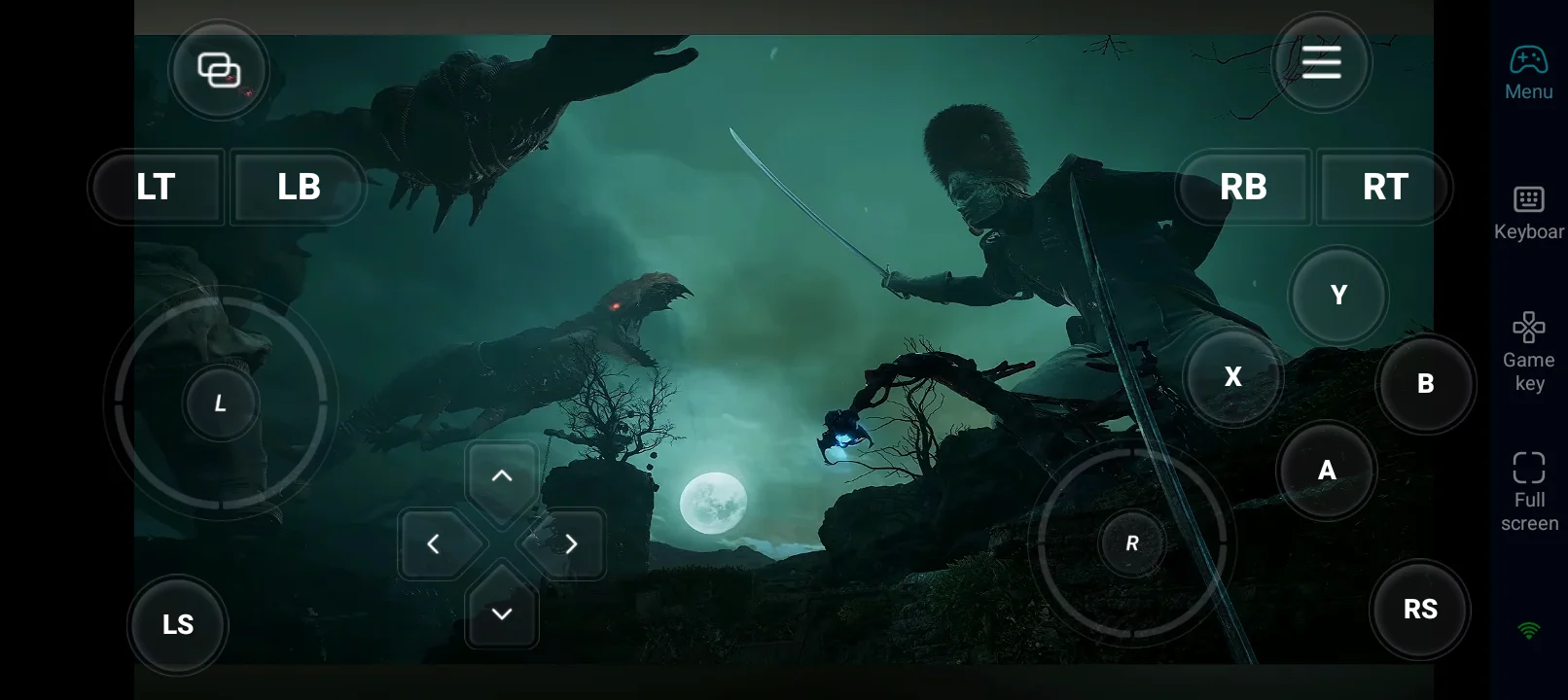
Manage Your Stamina Before Committing to Attacks
Your stamina, also referred to as endurance, is an important resource during combat. Attacking, blocking, parrying, and dodging all consume it, and it regenerates over time. If you spend too much stamina on repeated attacks or unnecessary defensive movements, you may find yourself unable to respond when an enemy launches its next strike.
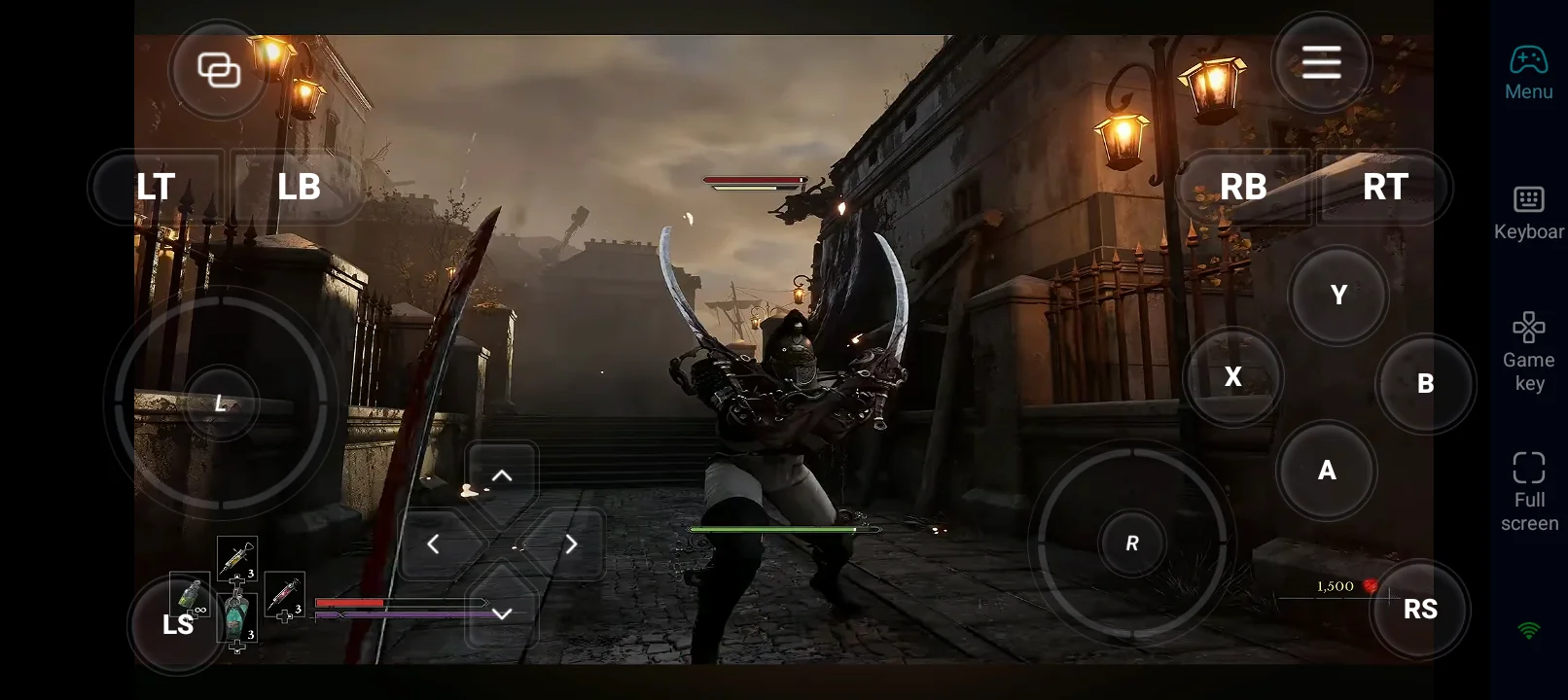
Try to keep your attacks measured, especially when facing unfamiliar opponents. Light and heavy attacks both have a cost, so avoid assuming that landing as many hits as possible is always the best approach. Use heavy attacks when you have a clear opening, rather than when an enemy is about to retaliate. If your stamina is running low, create some distance and allow it to recover before continuing.
Read Enemy Attacks and Choose Your Defense
Pay attention to how enemies move before they attack. Their movements and attack animations can help you recognize incoming strikes and decide whether to parry, block, or dodge. Learning these patterns is more reliable than reacting to every attack with the same defensive action.
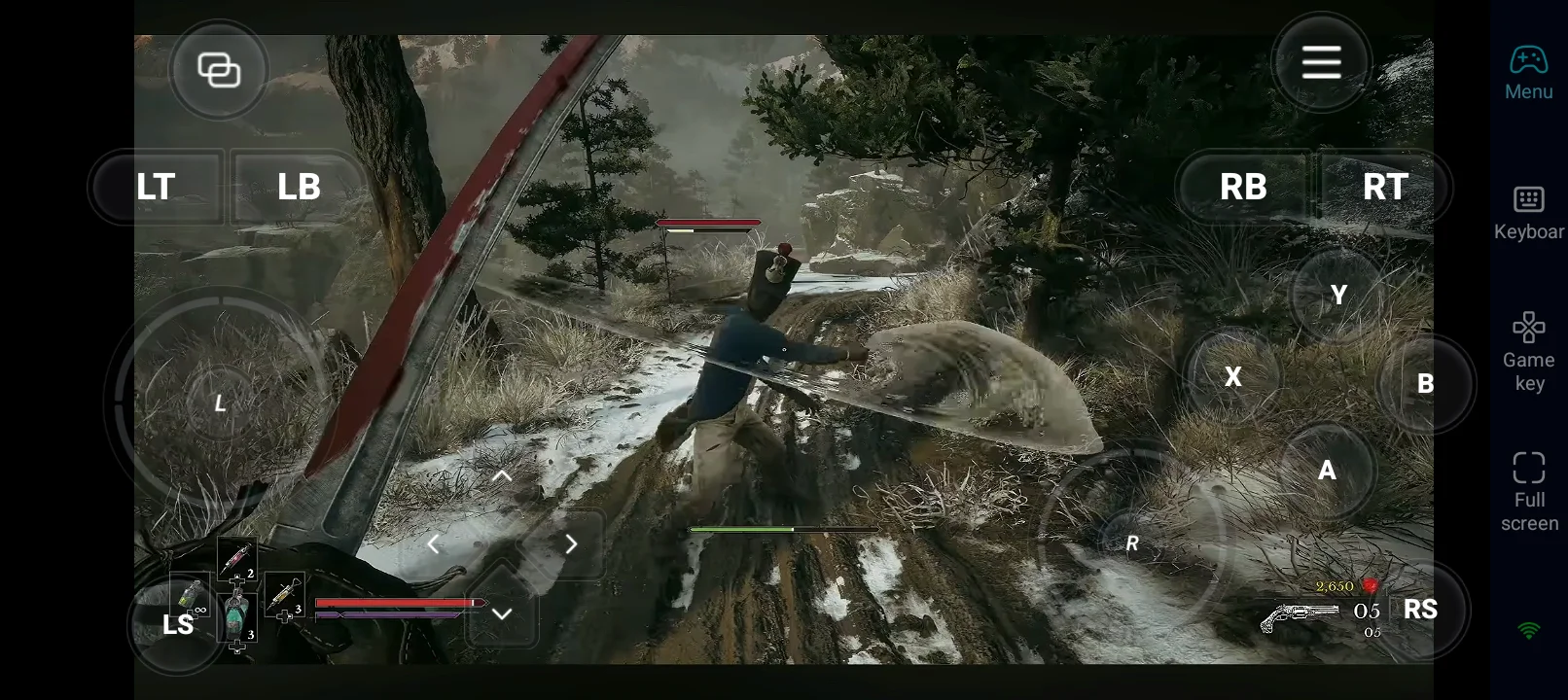
Parrying is particularly important because it does more than prevent damage. A well-timed parry helps break an enemy's posture, potentially leaving them vulnerable to a powerful follow-up attack or finisher. Blocking is another defensive option when you need to guard against incoming strikes, but some attacks cannot be blocked or parried. In these situations, dodging can help you avoid damage when timed correctly.
However, none of these options should be used repeatedly without considering the situation. Blocking, parrying, and dodging consume stamina, so choose your response based on the incoming attack and how much stamina you have available. If you're still learning an enemy's moves, focus on recognizing its attack patterns and identifying the right defensive response rather than trying to parry every strike.
Turn Defensive Openings Into Damage
One of the most useful habits to develop is recognizing when a successful defense gives you an opportunity to attack. In Valor Mortis, successful parries can damage enemy posture until it breaks, leaving the opponent open to a high-damage follow-up or execution. Basic enemies may become vulnerable quickly, while tougher opponents can require additional effort before their posture breaks.
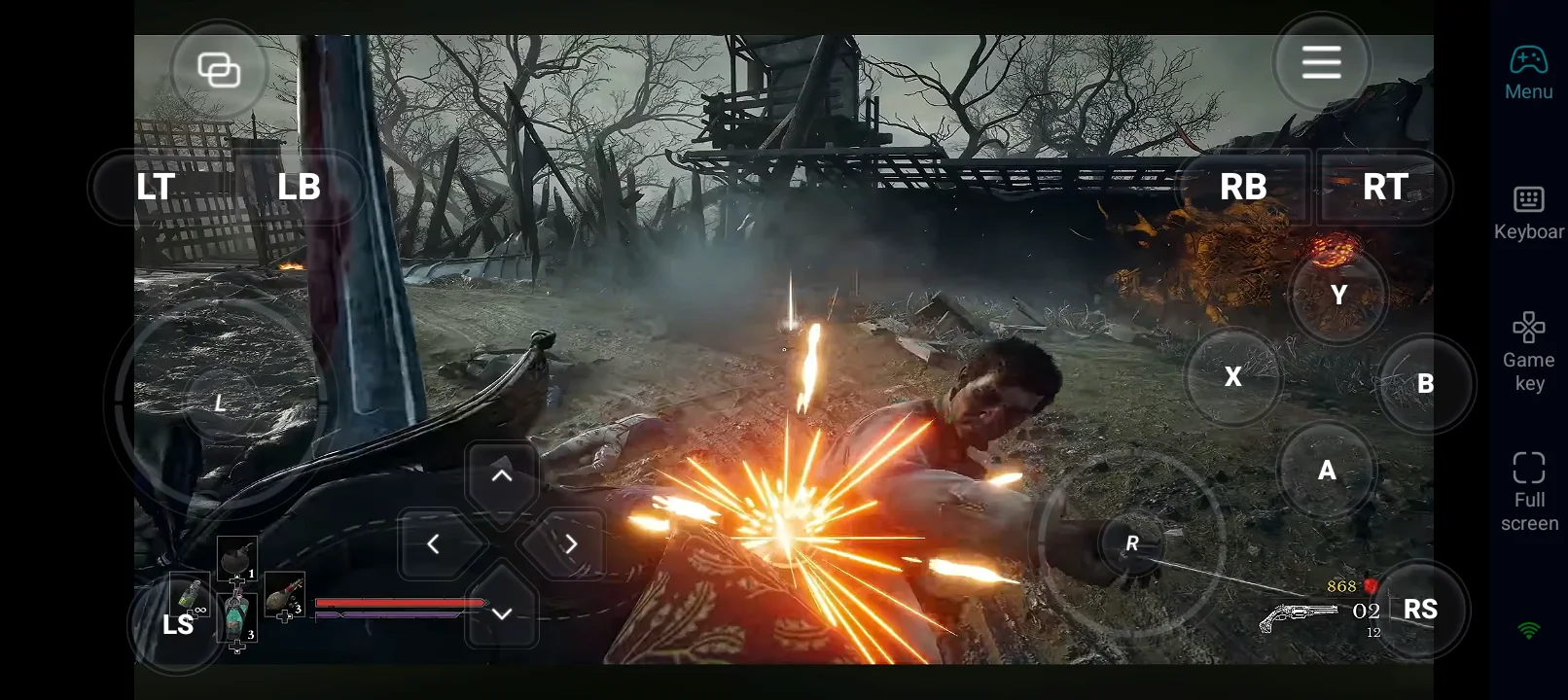
When you create an opening, take advantage of it without becoming reckless. Attack while the enemy is vulnerable, then reassess the situation instead of automatically continuing your offensive. If the opponent is recovering or preparing another strike, you may need to switch back to defending rather than spending all your remaining stamina on extra hits.
The same principle applies when an enemy misses an attack or leaves itself exposed. Use these moments to deal damage, but avoid assuming every opening will last long enough for a full combination.
The basic combat loop is simple: observe the enemy, preserve your stamina, defend at the right moment, and punish the opening when it appears. As you become more familiar with enemy behavior, you will start recognizing these opportunities more consistently. Mastering this rhythm provides a solid foundation for the weapon choices, firearms, and special abilities covered in the next sections.
How to Use Your Arsenal in Valor Mortis
Knowing how to fight is only part of learning Valor Mortis. Understanding your weapons and when to use them will help you handle different enemies more effectively. Melee weapons form the foundation of combat, while firearms provide additional ways to exploit weak points, stagger enemies, and create opportunities for attacks. The key is knowing when each tool offers the greatest advantage.
Melee Weapons: Saber, Rapier, and Claymore
The saber is a versatile option for beginners, offering solid damage and the ability to block incoming attacks. This makes it a practical choice while you're learning enemy attack patterns and getting comfortable with the game's defensive mechanics. If you prefer having the option to block rather than relying entirely on precise parries and dodges, the saber is a sensible starting point.
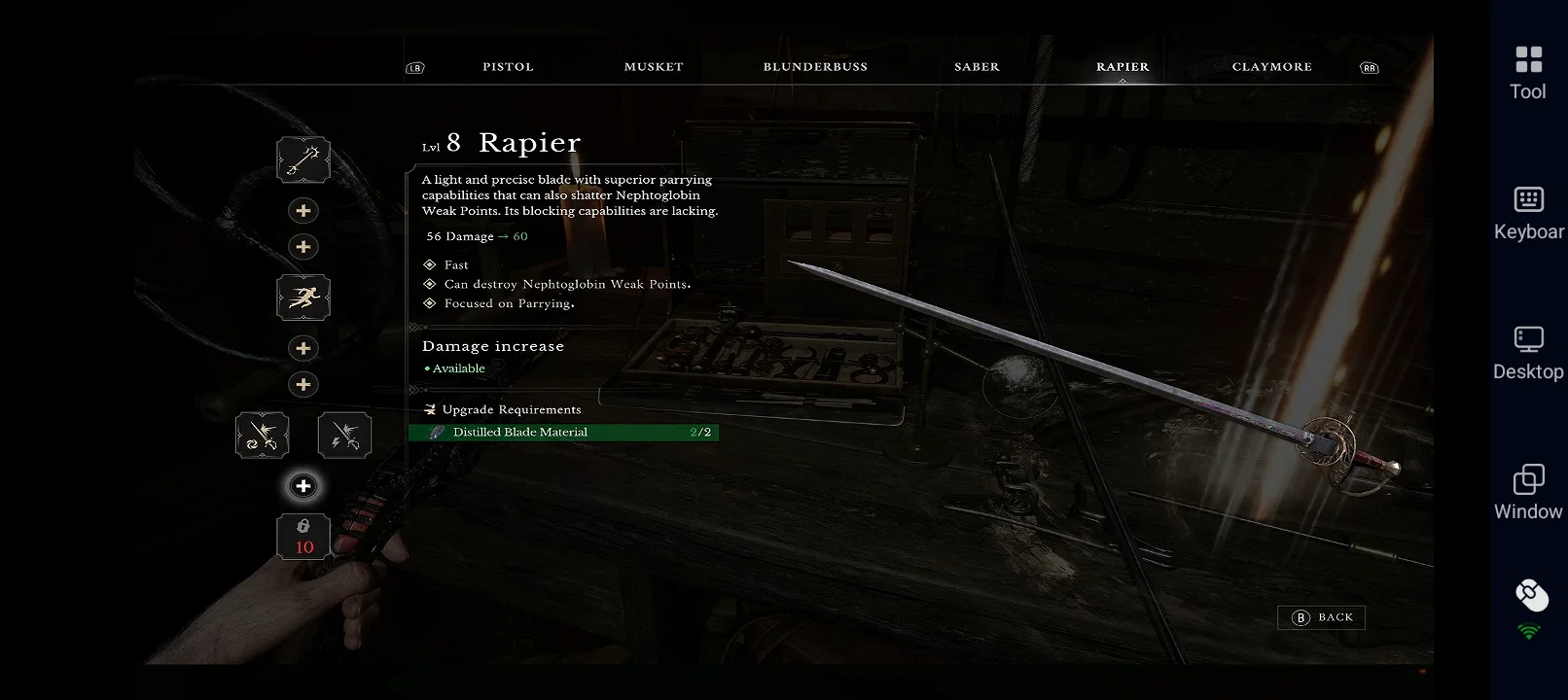
The rapier offers a more precision-focused approach, emphasizing thrusting attacks, weak points, and stronger staggering potential. However, it cannot block attacks, so you'll need to be more deliberate with your defensive choices. Consider the rapier if you prefer its precise fighting style, but be prepared to adapt rather than relying on the same defensive approach you use with the saber.
Firearms: Pistol and Blunderbuss
Firearms add another dimension to combat, but Valor Mortis is not a conventional shooter. Ammunition is limited, so guns are best used deliberately rather than as replacements for your melee weapon.
The pistol is particularly useful for targeting enemy weak points. Landing a shot on an exposed weak point can deal significant damage, while ranged attacks can also help stagger enemies and create openings. Pay attention to your opponents and look for opportunities where a well-placed shot offers more value than another melee attack.
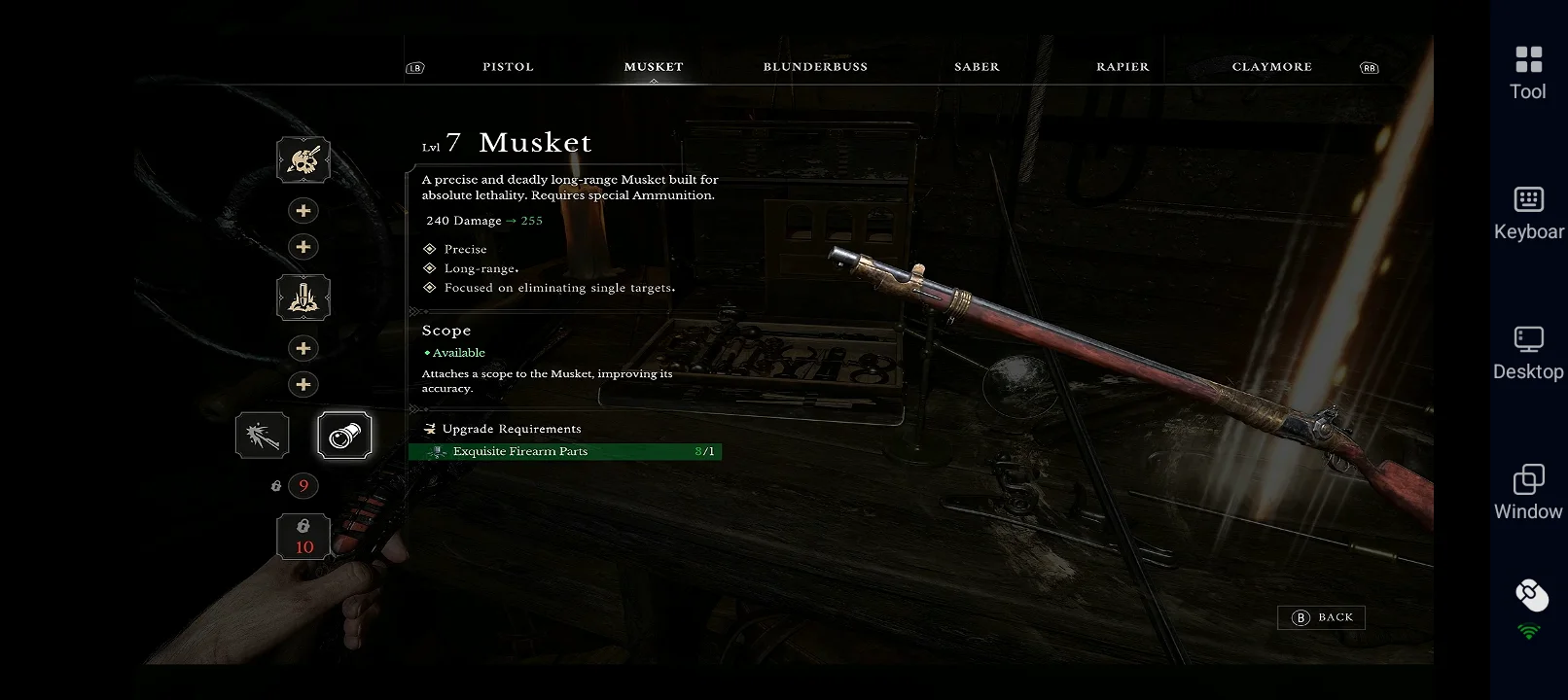
As a beginner, avoid wasting ammunition on unnecessary shots. Use the pistol when you have a clear target or need to deal with a threat from a distance, and rely on melee combat when it is the more practical option. Aiming also has a trade-off: holding aim consumes stamina and reduces firearm damage, so avoid remaining in aim mode longer than necessary.
The blunderbuss is another firearm in your arsenal. Experiment with it as you progress and compare how it feels in different encounters. Understanding the differences between your ranged options will help you decide which one to use when an opportunity arises.
Combine Your Weapons Instead of Relying on One
You don't need to choose between melee and ranged combat for every encounter. Switching between them allows you to respond to changing situations and take advantage of opportunities that a single weapon might not offer.
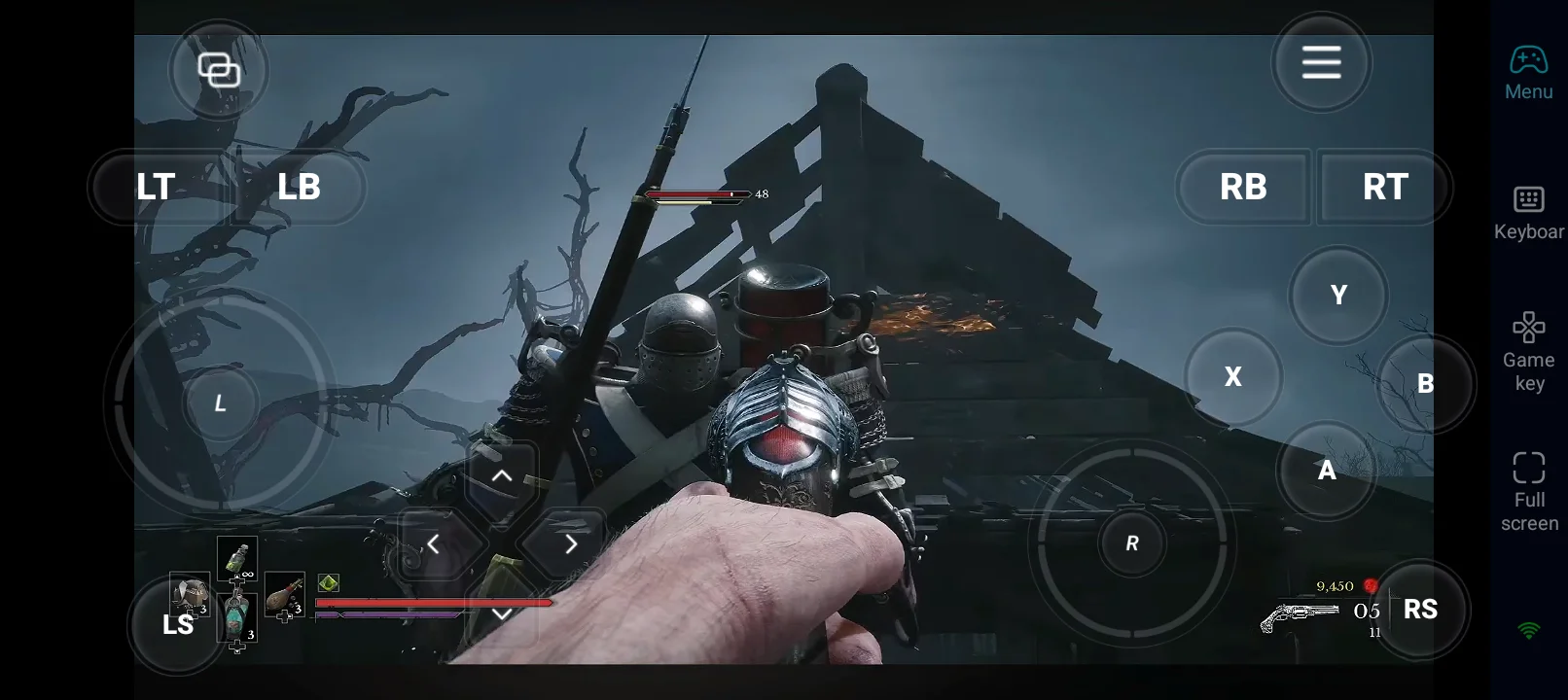
For example, you can rely on your melee weapon during a regular exchange, then use the pistol when an enemy exposes a weak point. Once you've taken advantage of that opening, return to melee combat when it becomes practical. The best choice depends on the enemy, your available ammunition, and the situation around you.
You can also use other equipment, such as grenades, to add more options to an encounter. As you become familiar with your arsenal, consider which tool is most useful before committing to an attack instead of automatically reaching for the same weapon every time.
The main takeaway: Use the saber for its versatility, consider the rapier if you prefer a more precise approach, and save your firearm ammunition for opportunities where ranged attacks provide a clear advantage. Learning how to combine these tools will give you a more flexible approach to combat and prepare you for the Transmutations and special abilities covered next.


 Pre-set Keymaps for Easy Play

Transmutations and Special Abilities
Transmutations are supernatural abilities that give you more options in Valor Mortis, from damaging and controlling enemies to reaching otherwise inaccessible areas. Each ability serves a different purpose, so learning when to use them can make both combat and exploration easier.
Fire: Damage Over Time
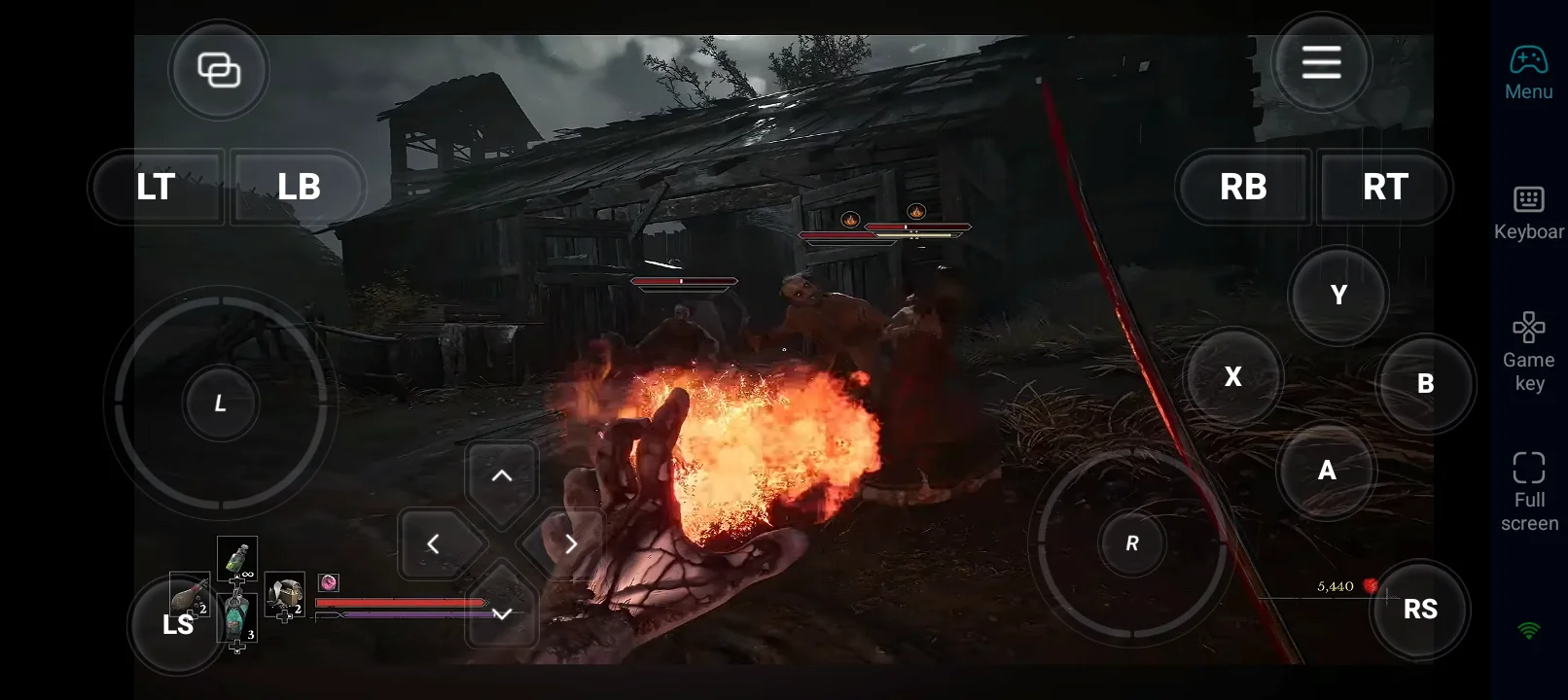
The fire Transmutation releases a cone of flame that ignites enemies and deals damage over time. Filling an enemy's burn gauge can also stun it, creating an opportunity for a melee follow-up. Use fire to pressure enemies and take advantage of the openings it creates.
Time-Freezing: Immobilize Enemies
The time-freezing ability fills an enemy's freeze gauge until the target becomes temporarily immobilized. This gives you a chance to land follow-up attacks with less pressure from that enemy, making it useful when you need a safer opening.
Shield: Absorb and Return Damage
The shield can absorb incoming damage and release it back at enemies. Use it as an additional defensive option when facing incoming attacks, alongside your normal blocking, parrying, and dodging techniques.
Grapple: Reach New Areas
The grapple pulls William across gaps and helps him reach areas that ordinary movement cannot. Watch for grapple points while exploring, as they can reveal routes to new locations and hidden areas.
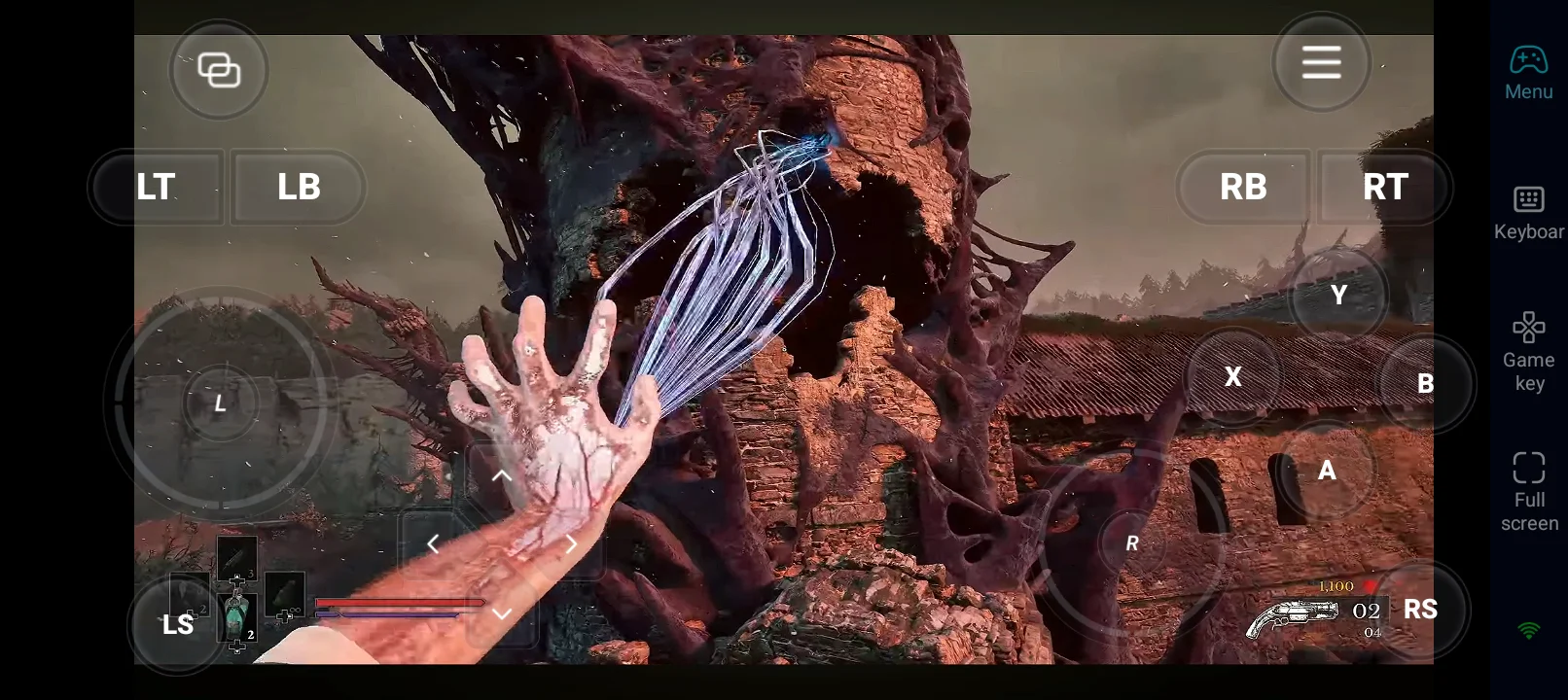
Manage Neptin and Combine Your Abilities
Transmutations consume Neptin, a supernatural resource that can be collected from enemy remains. Melee attacks and successful shots against enemy weak points can also help replenish your powers, rewarding an active approach to combat.
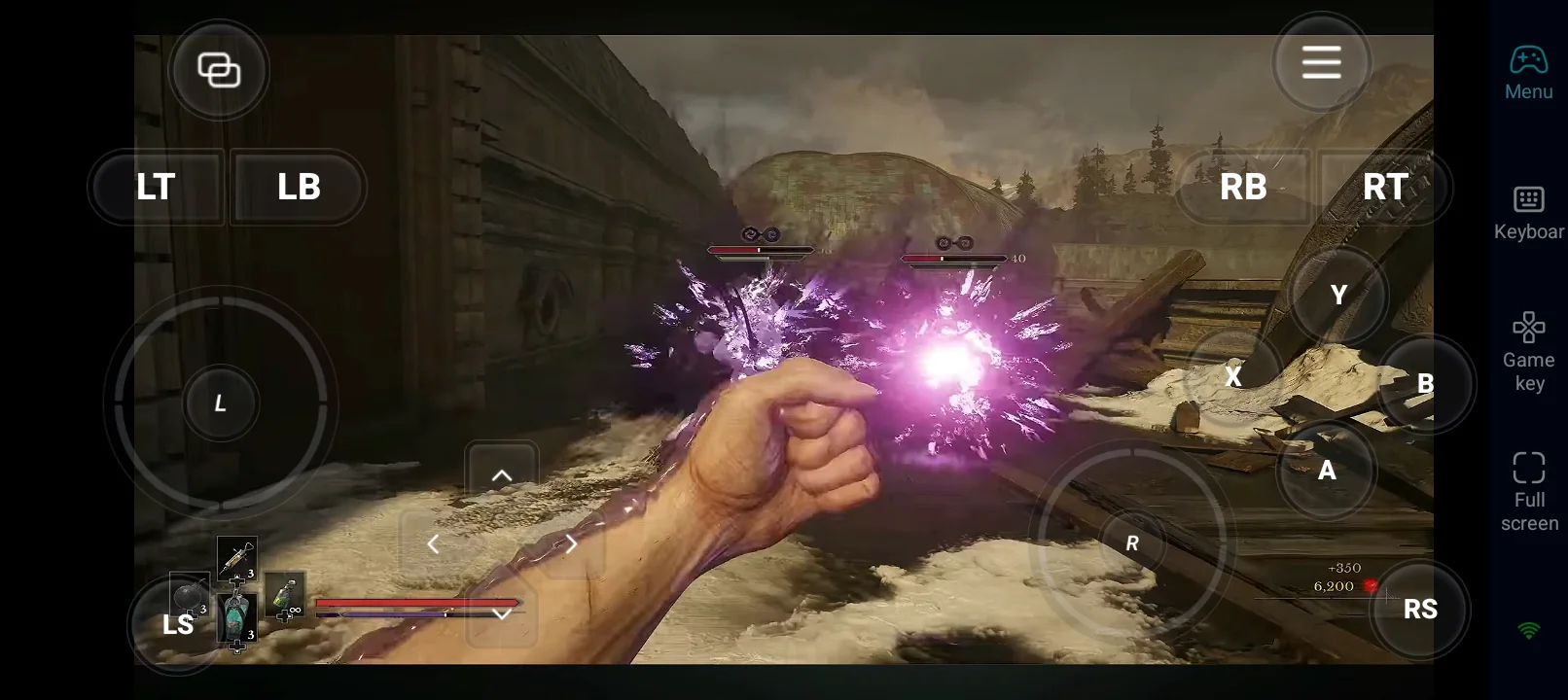
Avoid spending Neptin without a clear purpose. Use fire to apply sustained damage, time-freezing to create attack opportunities, and the shield to respond to incoming threats. Save the grapple for traversal when the environment calls for it, and combine your abilities with your weapons rather than relying on a single approach.
Beginner tip: Learn what each Transmutation offers and use it when its effect gives you a clear advantage. Managing Neptin effectively will help you get more value from your abilities as you progress.
Valor Mortis Early Game Guide: Lanterns, Catalysts, and Upgrades
Progression in Valor Mortis revolves around Lanterns, Catalysts, and character upgrades. Understanding how these systems work will help you recover between encounters, spend your resources wisely, and prepare for increasingly difficult enemies.
Lanterns: Checkpoints and Resting
Lanterns serve as important checkpoints where you can recover and access progression features. Whenever you discover one, take a moment to use it before pushing deeper into an unfamiliar area.
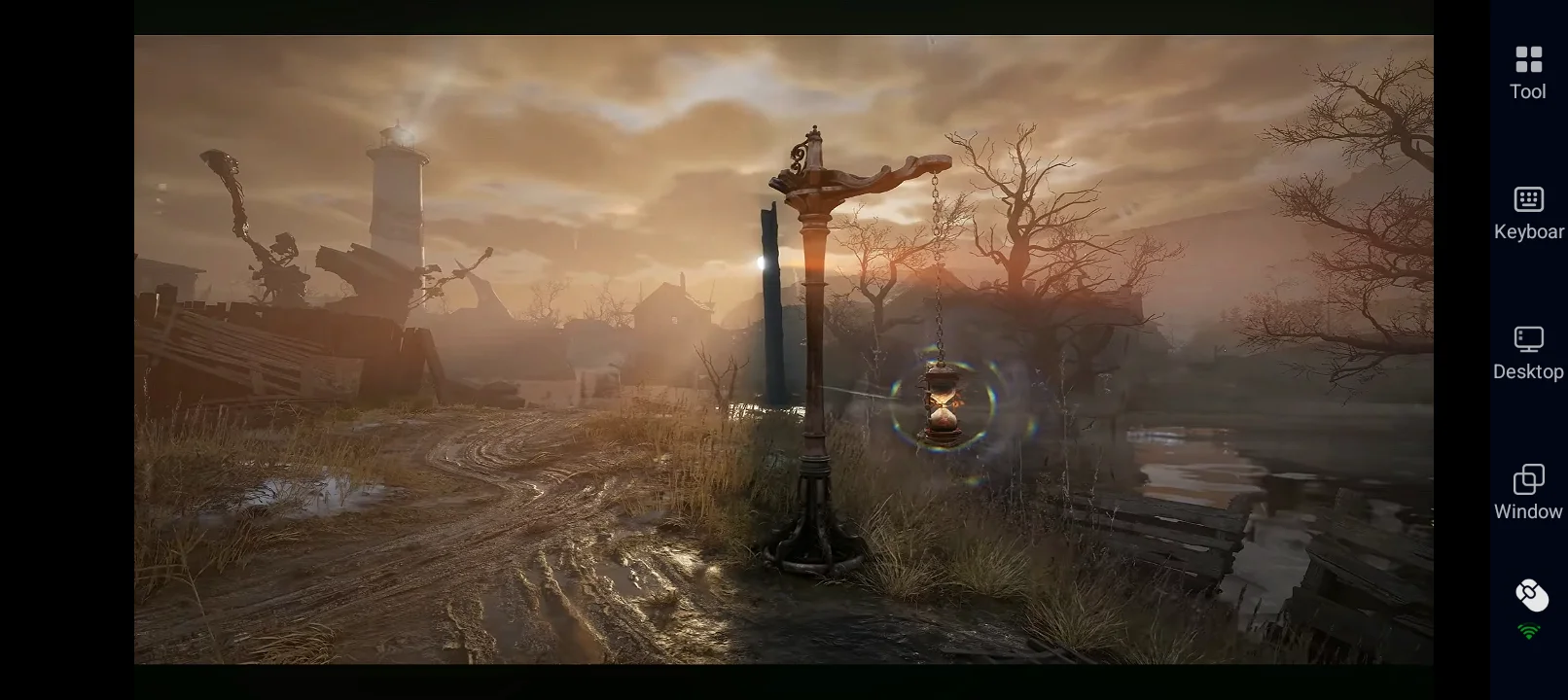
Resting at a Lantern also restores nearby regular enemies, so previously cleared areas may become dangerous again. This creates a trade-off: resting helps you prepare for the next challenge, but you may need to fight through familiar enemies again afterward. Before resting, consider how much progress you've made and whether you're ready to face the area again.
Catalysts: Invest in Your Progression
Catalysts are used to purchase upgrades through the game's progression system. Rather than spending them without a plan, consider which improvements will help you most with your current challenges.
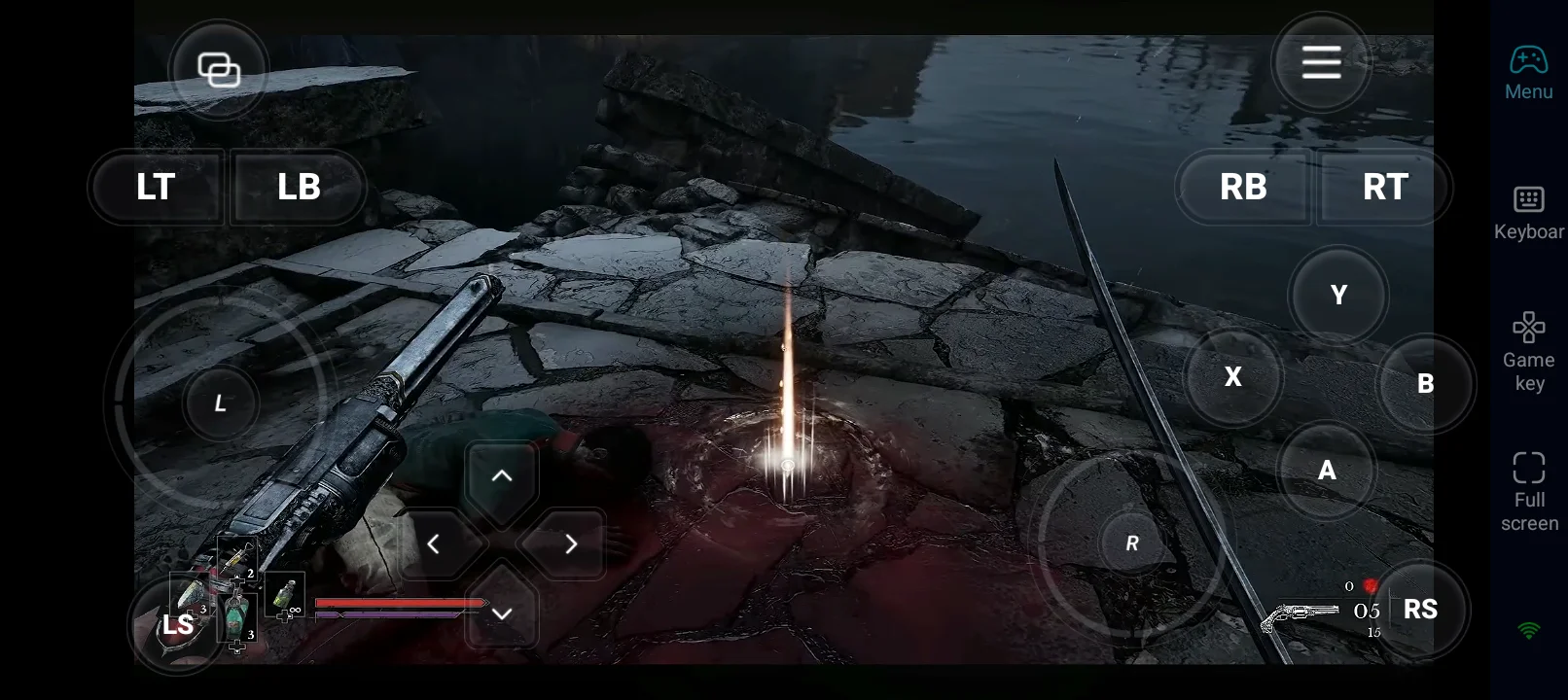
If you're struggling to survive encounters, prioritize upgrades that improve your survivability. If you can stay alive but struggle to defeat enemies efficiently, investing in damage may be more useful. Your choices should reflect your weaknesses rather than follow a fixed upgrade path.
Death and Recovering Lost Currency
Dying can cost you the currency you've collected, making resource management an important part of early progression. When you lose currency, focus on returning to where you fell and recovering it before taking unnecessary risks elsewhere.

If you're carrying a large amount of currency, consider spending it on useful upgrades at a Lantern before exploring a particularly dangerous area.
Which Upgrades Should You Prioritize?
There's no single upgrade order that suits every player, but these principles can help you decide where to invest:
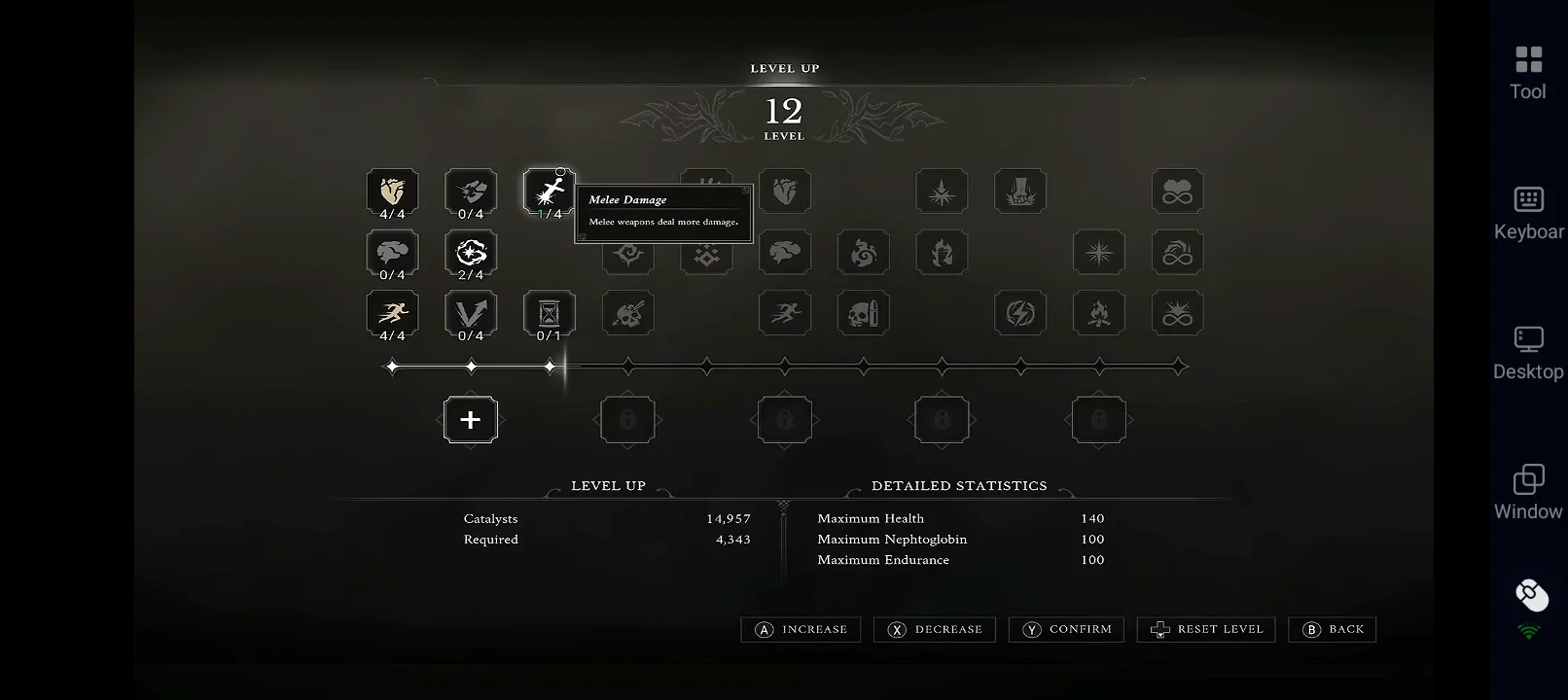
- Health: A good priority if enemies defeat you quickly or you need more room to make mistakes.
-
Stamina: Worth considering if you frequently run out of stamina while attacking or defending.
-
Damage: Useful when you can survive encounters but want to defeat enemies more efficiently.
-
Other upgrades: Consider additional improvements as you unlock them and identify what your current playstyle lacks.
Beginner tip: Use Lanterns regularly, understand the risk of resting, and spend Catalysts on upgrades that address your biggest challenges. A balanced approach to progression will help you build confidence without committing to an upgrade path that doesn't suit your playstyle.
How Ambers and Character Builds Work
Ambers are equipable items in Valor Mortis that provide passive or conditional effects, allowing you to customize your approach to combat. Some restore health through melee attacks, while others trigger area damage when you land weak-point shots. These effects can influence how you fight, so choose Ambers that complement your preferred playstyle.
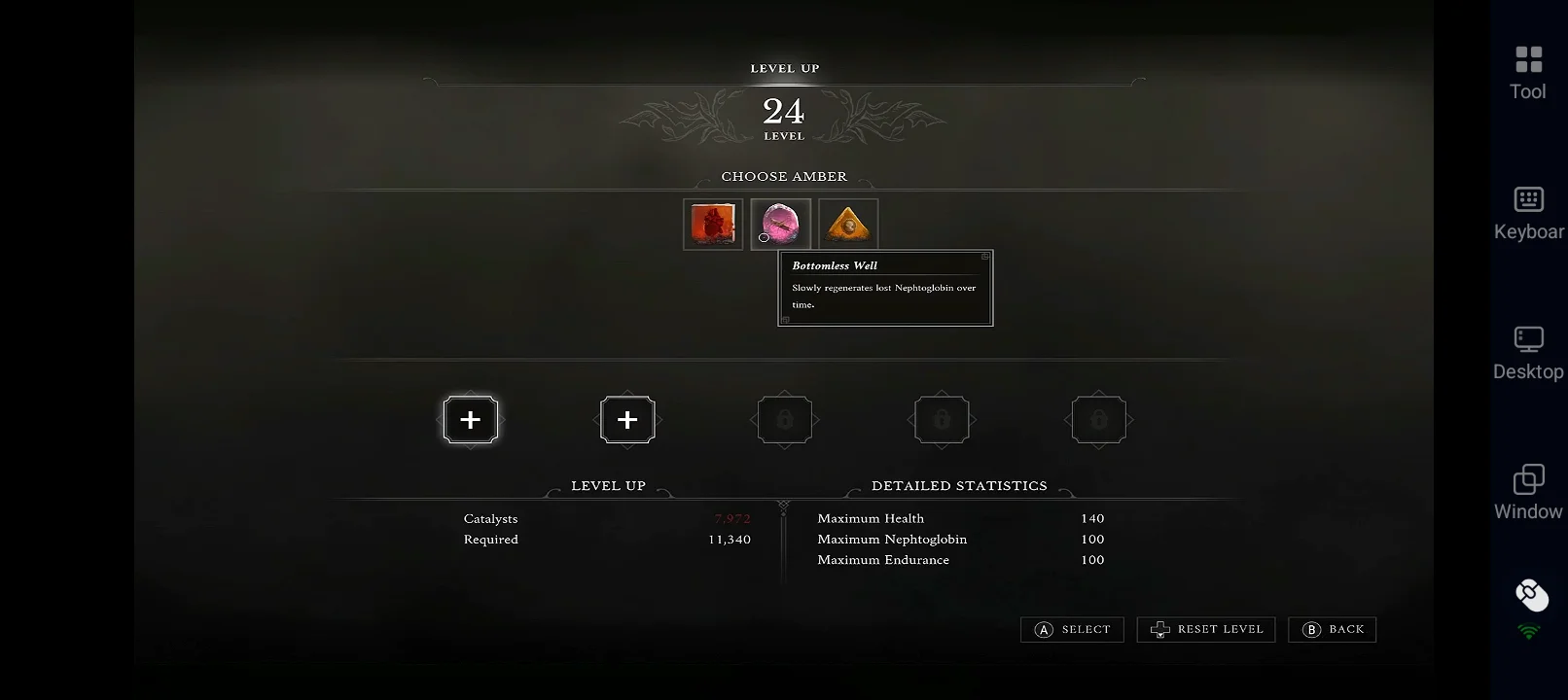
You start with one Amber slot and can unlock up to four more through the progression tree. Ambers can also be upgraded up to three times, and finding duplicates can provide improved versions of existing effects.
Although the system offers some customization, build variety is relatively limited. Many Amber effects provide straightforward bonuses, and only a small selection may feel particularly useful. As a beginner, focus on a few Ambers that support the way you fight, and experiment with different combinations as you unlock more options. Just keep in mind that the system offers more fine-tuning than completely different character builds.
Tips for Exploration and Difficult Encounters
Exploration in Valor Mortis rewards curiosity and careful observation. Keep these tips in mind as you explore unfamiliar areas and face tougher enemies.
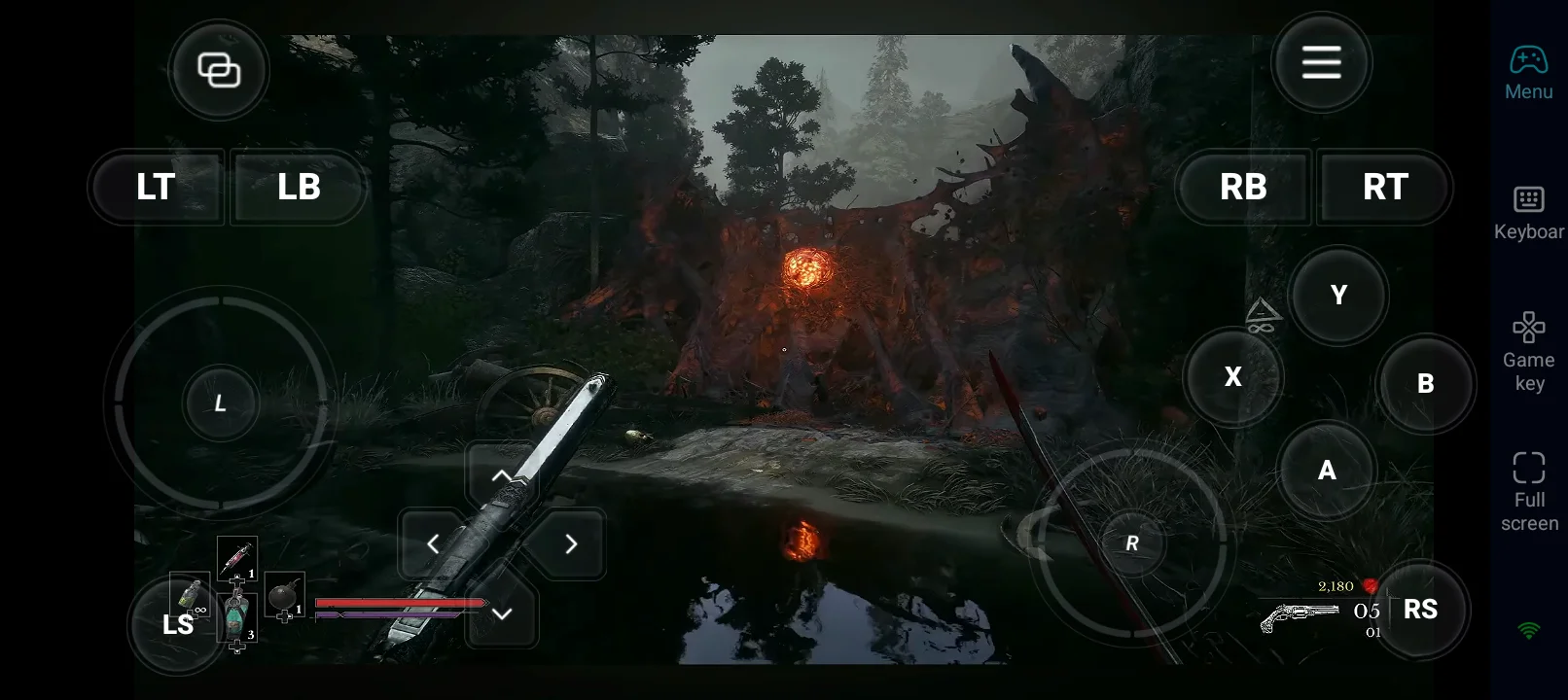
- Look for hidden paths and shortcuts: Explore interconnected areas carefully, watching for alternate routes, grapple points, and environmental obstacles that may conceal useful discoveries.
-
Remember inaccessible routes: If you encounter a blocked passage or unreachable platform, note its location and return later when you have the necessary ability or discover another route.
-
Take your time with traversal: Be careful around gaps and elevated platforms to avoid unnecessary falls or missed routes. Revisit earlier areas as you gain new abilities to discover paths you couldn't access before.
-
Study enemies before attacking: Observe enemy behavior, look for openings, and choose weapons and Transmutations that suit the encounter. If a strategy repeatedly fails, adjust your timing or approach instead of repeating the same actions.
-
Manage stamina and resources: Avoid attacking recklessly, and use ranged attacks or special abilities when they provide a clear advantage. Save your resources for situations where they can make a meaningful difference.
-
Prepare for difficult boss fights: Don't expect to win every encounter on your first attempt. Learn attack patterns, identify safer opportunities to deal damage, and consider whether additional upgrades, a different Amber setup, or better resource management could help.
Beginner tip: Explore thoroughly, remember routes you cannot access yet, and treat difficult encounters as opportunities to learn. Preparing carefully and adapting to each situation will take you further than rushing ahead or relying on a single strategy.
Conclusion
Valor Mortis delivers a challenging first-person Soulslike experience with intense combat, firearms, supernatural abilities, and atmospheric exploration. Learn enemy patterns, manage your stamina, and adapt your strategy to overcome difficult encounters. While its build variety may feel limited, fans of demanding combat and dark worlds will find plenty to enjoy. Take your time, learn from each attempt, and keep progressing. Want to play even when you're away from your PC? OSLink lets you remotely access your PC from your phone and continue playing Valor Mortis wherever you are.
 Download