English
  Blog Game Guide Pokémon Champions Double Battle Guide: Best Doubles Teams, Strategies, and Ranked Tips
Pokémon Champions double battles are where the game's competitive depth truly shines. One of the biggest differences between singles and doubles is that doubles battles require you to manage two Pokémon at once, creating a format focused on teamwork, positioning, and battlefield control rather than individual matchups. Every turn presents multiple decisions, from choosing targets and predicting switches to controlling Speed and protecting key teammates, making doubles one of the most rewarding ways to play Pokémon Champions.
Table of Contents
- What Are Double Battles in Pokémon Champions?
- Team Preview: Winning Before Turn 1
- Speed Control Wins Games
- Protect: The Most Important Move in Doubles
- Fake Out and Turn Control
- Positioning and Board State
- Targeting Skill Separates Beginners from Experts
- Basic Team Building for Double Battles
- Best Doubles Teams for Pokémon Champions
- Advanced Pokémon Champions Double Battle Tips for Climbing Ranked
- Conclusion
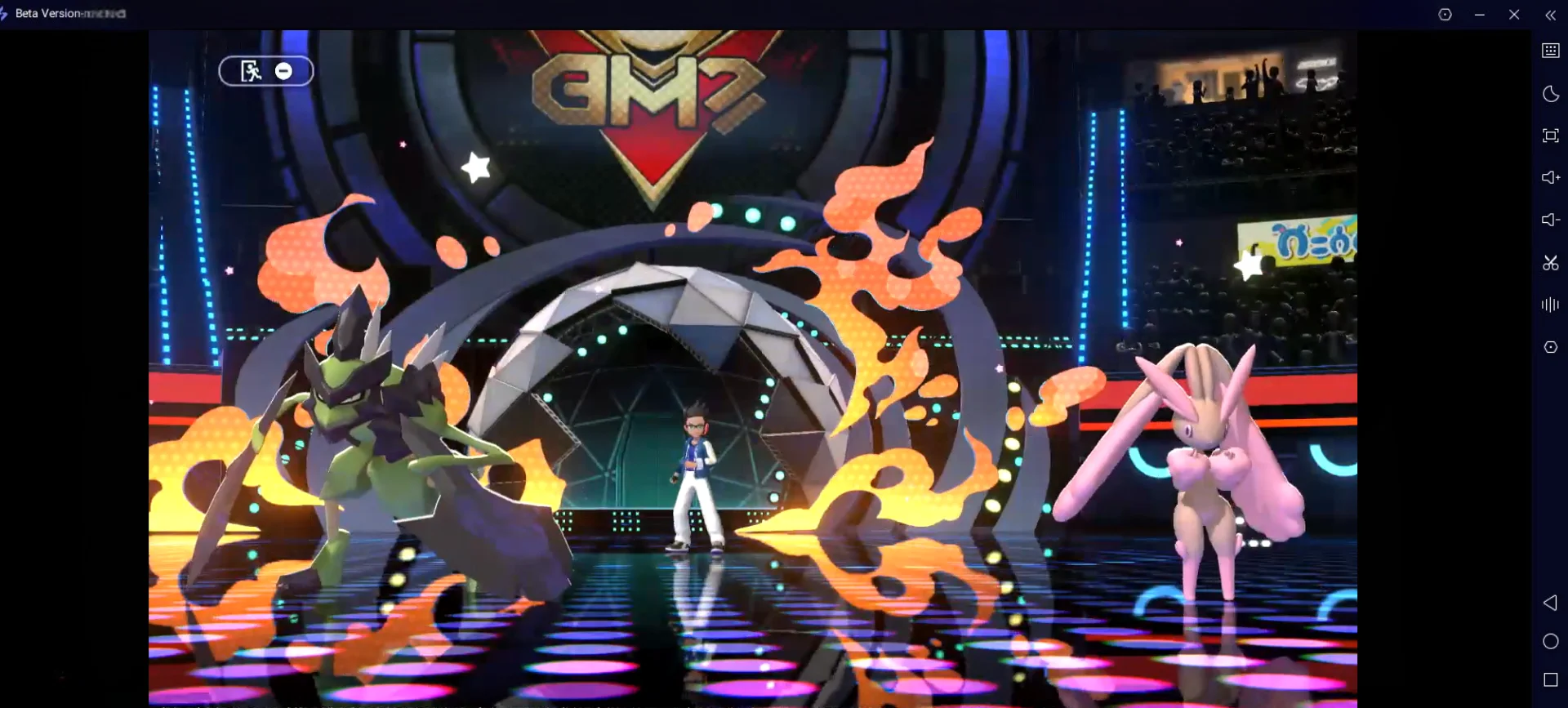
In this guide, we'll cover everything from Team Preview and Speed control to Protect, Fake Out, positioning, targeting, and team building. Keeping track of multiple Pokémon, field conditions, and potential plays can quickly become information-heavy during competitive matches. Playing Pokémon Champions on a larger PC screen through OSLink can make it easier to follow the battlefield and manage team decisions while learning the double.
What Are Double Battles in Pokémon Champions?
Double Battles are the main competitive format in Pokémon Champions. Instead of sending out one Pokémon at a time, each player battles with two Pokémon on the field simultaneously, creating a much faster and more strategic experience.
Key Rules
|
Rule |
Description |
|
Team Size |
Bring 6 Pokémon |
|
Battle Team |
Choose 4 Pokémon before battle |
|
Battle Format |
2 Pokémon vs 2 Pokémon |
|
Win Condition |
Knock out all 4 opposing Pokémon |
One of the biggest differences between singles and doubles is the importance of teamwork. Because two Pokémon are active at the same time, battles revolve around synergy, positioning, and controlling the flow of the match rather than simply dealing damage.
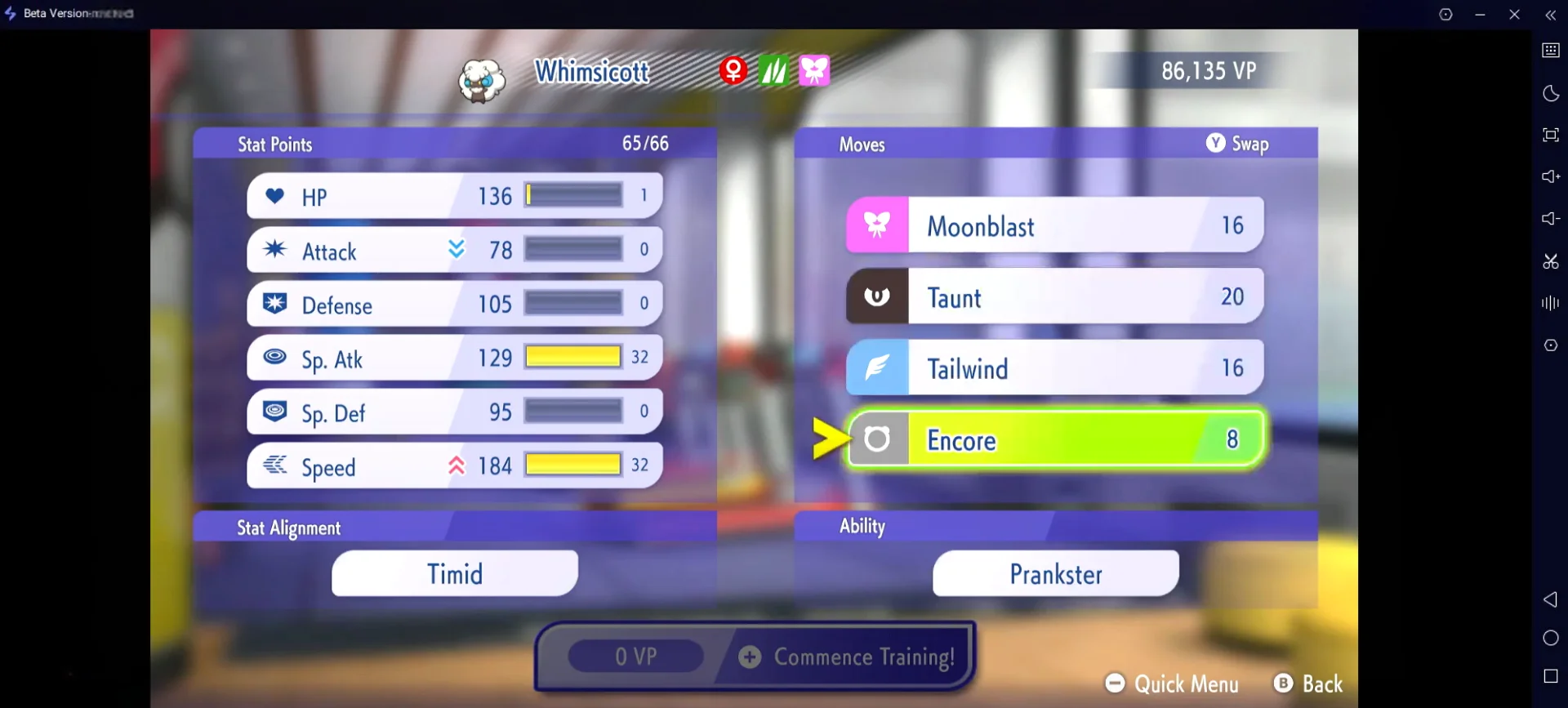
Common doubles strategies include:
-
Protecting teammates with Protect
-
Controlling turn order with Tailwind or Trick Room
-
Disrupting opponents with Fake Out
-
Using spread moves that hit multiple targets
-
Combining abilities and support moves for powerful synergies
The Goal Isn't Just Damage
A common mistake among new players is focusing only on attacks. In reality, the foundation of any successful double battle strategy is controlling the battlefield and creating favorable situations for your team.
Sometimes the best move isn't an attack at all.
|
Situation |
Better Play |
|
Your main attacker is threatened |
Use Protect |
|
Your Pokémon has a bad matchup |
Switch out |
|
Opponent has a dangerous sweeper |
Fake Out |
|
You need to move first |
Set Tailwind |
|
Trick Room is active |
Stall turns and reposition |
Strong doubles players constantly think ahead and ask:
-
What is my opponent trying to do?
-
How can I stop it?
-
What will the battlefield look like next turn?
The player who creates the better board state usually wins the battle, which is why positioning and decision-making matter just as much as raw power in Pokémon Champions doubles.
Tips: Victory usually goes to the player who controls the battlefield, not the one who clicks the strongest attack.
Team Preview: Winning Before Turn 1
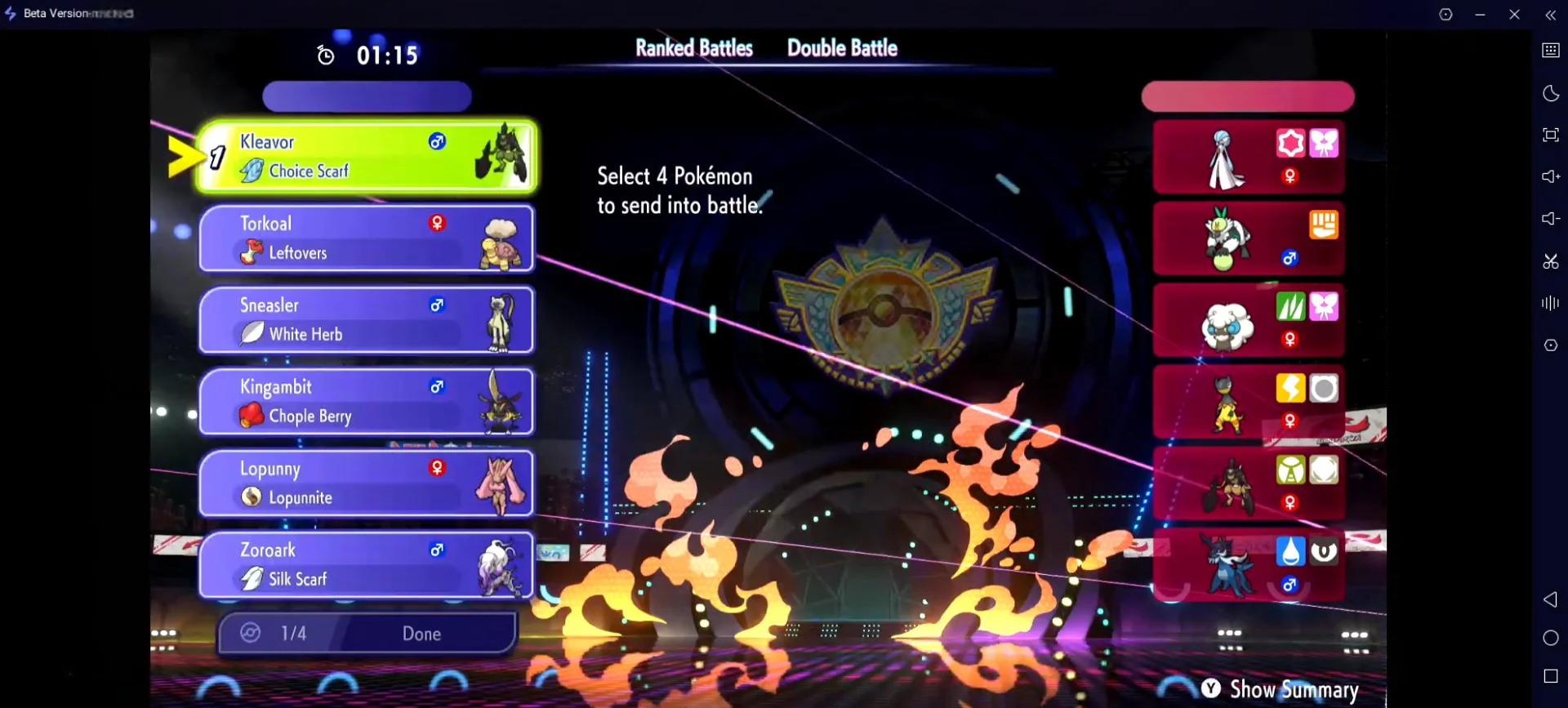
One of the biggest differences between casual and competitive players is how they approach Team Preview. In Pokémon Champions, you bring six Pokémon but can only select four for battle, making this your first major decision of the match.
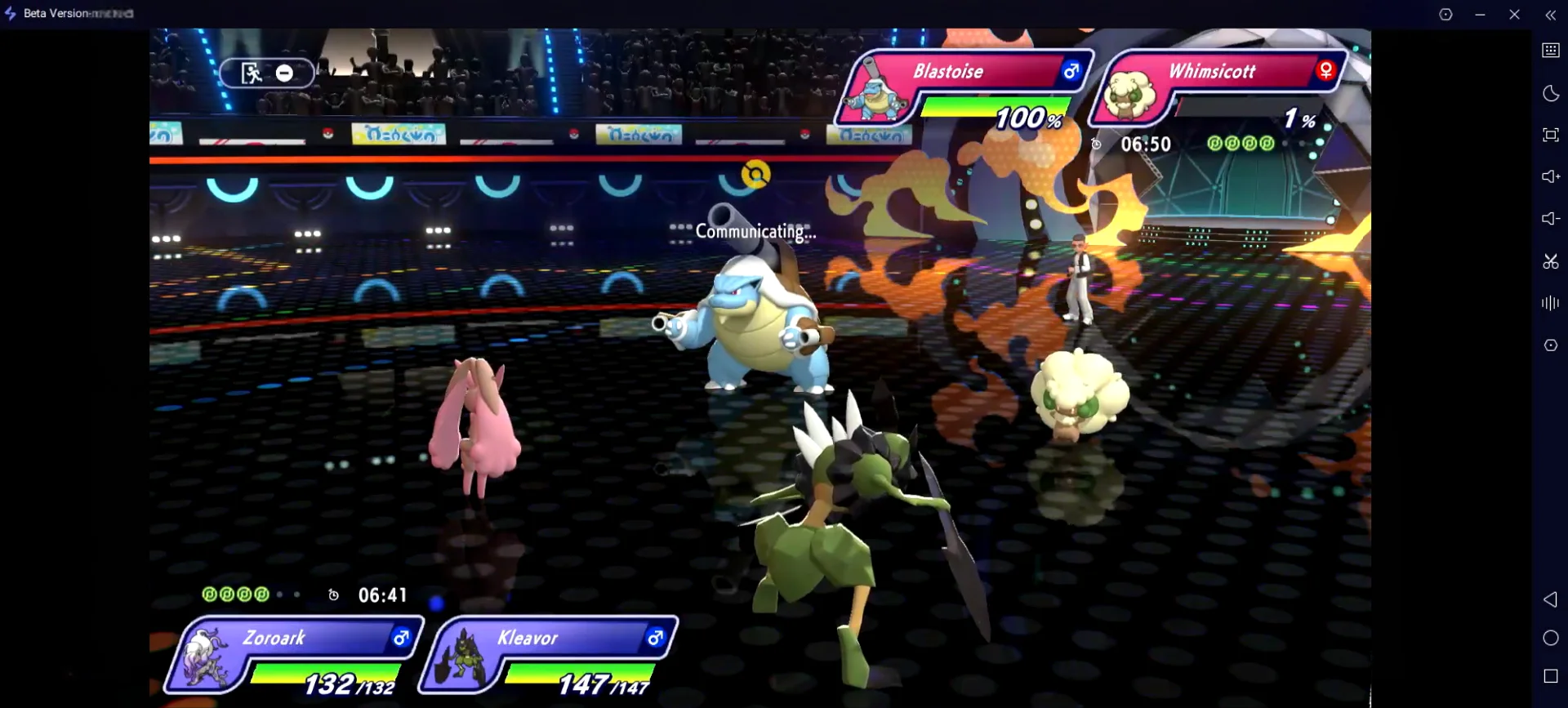
Before choosing your team, take a few seconds to identify:
-
Your opponent's main win condition
-
Their Speed control options
-
The Pokémon that threaten your team most
-
The four Pokémon that give you the strongest matchup
Many Pokémon Champions beginners make the mistake of bringing the same four Pokémon every game. Strong players adapt their selection based on the matchup in front of them.
A good Team Preview won't guarantee victory, but it can give you a clear game plan before the battle even begins.
Speed Control Wins Games
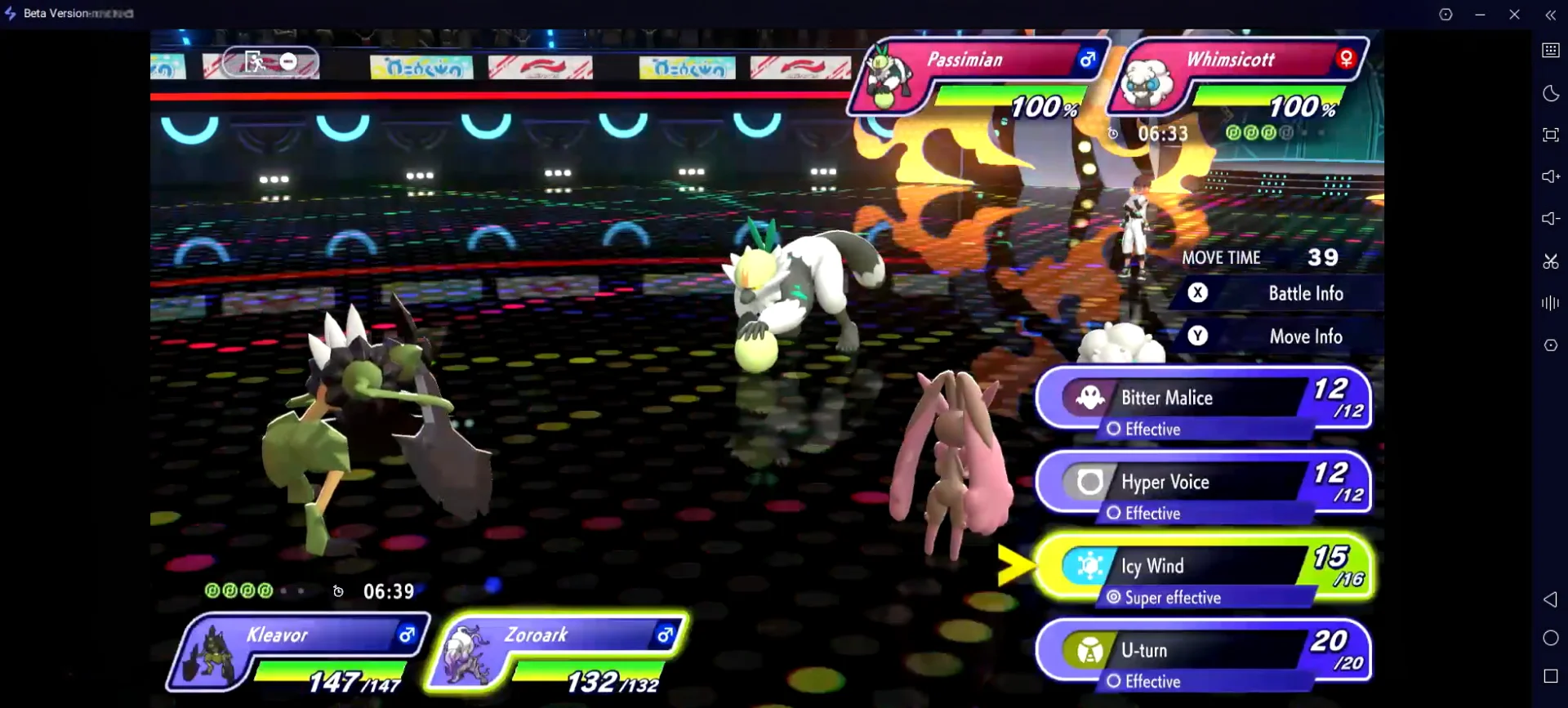
If there's one mechanic that consistently decides doubles battles, it's Speed control. In Pokémon Champions, moving first often means knocking out a threat before it can attack, setting up support moves safely, or forcing your opponent to react to your plays.
That's why experienced players pay close attention to who controls the turn order. Some of the most common forms of Speed control include:
|
Method |
Effect |
|
Tailwind |
Doubles your team's Speed for 4 turns |
|
Trick Room |
Slower Pokémon move first |
|
Thunder Wave |
Reduces a target's Speed |
|
Icy Wind |
Damages opponents and lowers their Speed |
Imagine your opponent's Pokémon can knock out your attacker in one hit. If you move first, you may remove that threat before it ever gets a chance to act. If you're slower, you might lose a Pokémon before making a move.
This is why many successful teams are built around either creating Speed advantages or disrupting the opponent's Speed control strategy.
Tips: Before every battle, ask yourself: "How is my opponent planning to move first, and how can I stop them?"
Protect: The Most Important Move in Doubles
If Speed control determines who moves first, Protect is often the move that determines who wins the turn.
Protect blocks most incoming attacks for a turn, allowing a Pokémon to avoid damage while its partner acts freely. Although it may seem defensive at first, Protect is actually one of the strongest strategic tools in doubles battles.

Common uses for Protect include:
-
Avoiding a predicted knockout
-
Stalling out Tailwind or Trick Room turns
-
Shielding a key Pokémon while its partner attacks
-
Scouting your opponent's intentions
-
Avoiding double-targets from both opposing Pokémon
For example, if your opponent targets your strongest attacker with both of their Pokémon, a well-timed Protect can waste both attacks and completely swing the momentum in your favor.
New players often feel pressured to attack every turn, but experienced players understand that protecting the right Pokémon at the right moment can be more valuable than dealing damage.
Tips: A successful Protect doesn't just block damage, it forces your opponent to waste a turn.
Fake Out and Turn Control
Few moves influence doubles battles as much as Fake Out.
Fake Out can only be used on the first turn a Pokémon enters the field, causing the target to flinch and lose its action for that turn. While it deals very little damage, its real value comes from controlling the battlefield.
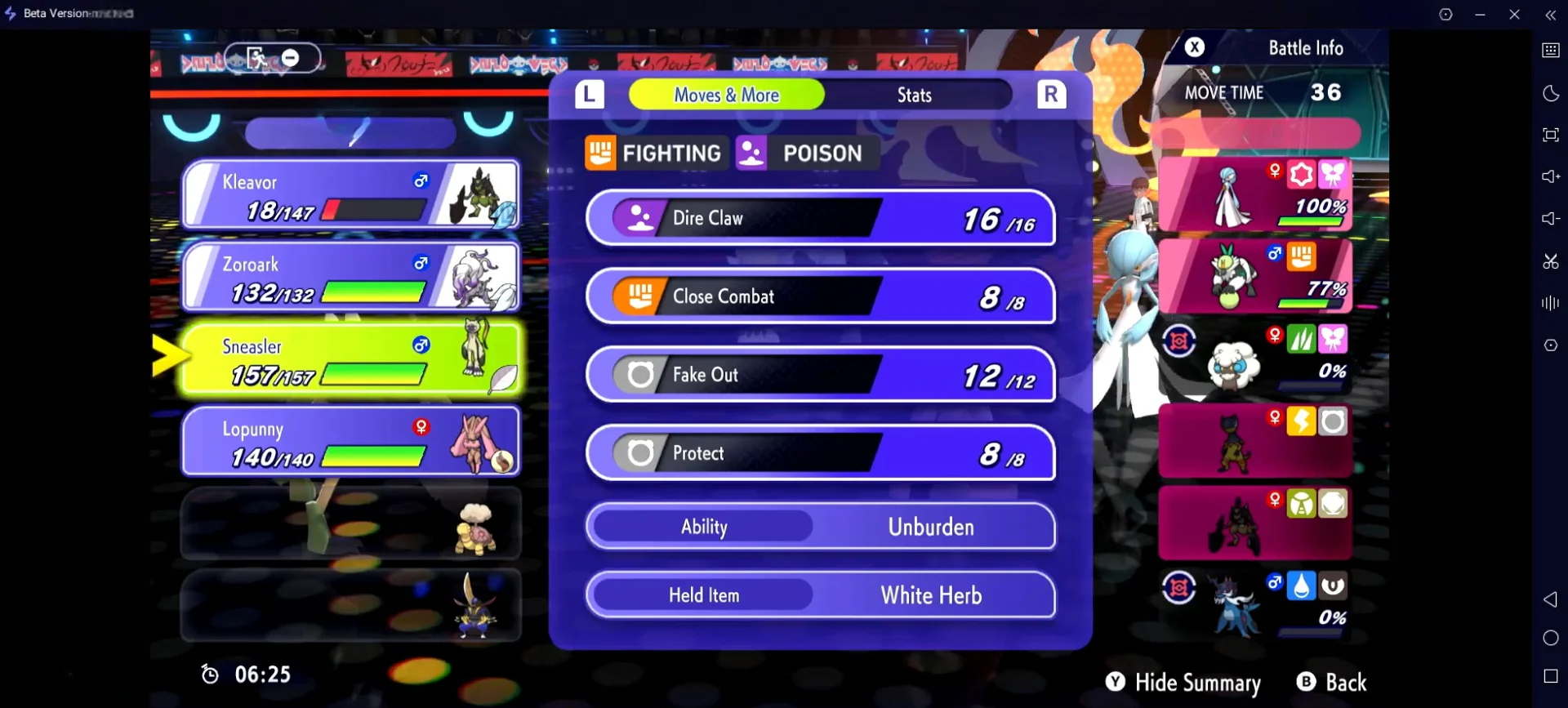
A well-timed Fake Out can:
-
Stop a dangerous attacker from moving
-
Help a partner safely set up Tailwind or Trick Room
-
Prevent support moves from being used
-
Create momentum early in the battle
This is why Pokémon like Incineroar are so popular in doubles. They can immediately pressure opponents and force them to respect Fake Out whenever they enter the field.
Of course, Fake Out isn't unbeatable. Protect completely blocks it, and experienced players often try to predict when their opponent will use it.
Like Protect, Fake Out is less about dealing damage and more about controlling turns. When used correctly, it can create opportunities that allow your team to take control of the battle from the very first move.
Tips: In doubles, denying your opponent's action is often more valuable than landing an extra attack.
Positioning and Board State
One of the biggest differences between beginner and experienced doubles players is understanding positioning.
Many new players focus entirely on dealing damage, but strong players constantly think about their board state, the two Pokémon they have on the field compared to the two Pokémon their opponent has available.
Sometimes attacking is the best play. Other times, switching Pokémon can create a much stronger position for future turns.
For example, you might switch because:
-
A Pokémon is facing a bad matchup
-
You want to preserve an important win condition
-
An Intimidate user can weaken opposing attackers
-
A support Pokémon can safely enter the field
-
You need a better answer to the current threats
Imagine your strongest attacker is low on health but still crucial to winning the battle. Instead of leaving it exposed, you might switch it out, allowing it to return later when the matchup is more favorable.
Good positioning also means thinking ahead. Before making a move, ask yourself:
-
What will the field look like next turn?
-
Which Pokémon do I want active?
-
Am I protecting my win condition?
-
Am I forcing my opponent into a bad position?
The best doubles players aren't always making the strongest attack. They're constantly improving their position until the battle becomes difficult for their opponent to recover from.
Tips: Winning doubles battles is often about creating favorable board states, not simply dealing the most damage.
Targeting Skill Separates Beginners from Experts
In doubles battles, choosing the right target is often more important than choosing the right move.
With two opposing Pokémon on the field, every turn presents multiple options. Do you focus on the biggest threat? Remove the support Pokémon? Double-target one opponent? Or spread damage across both?
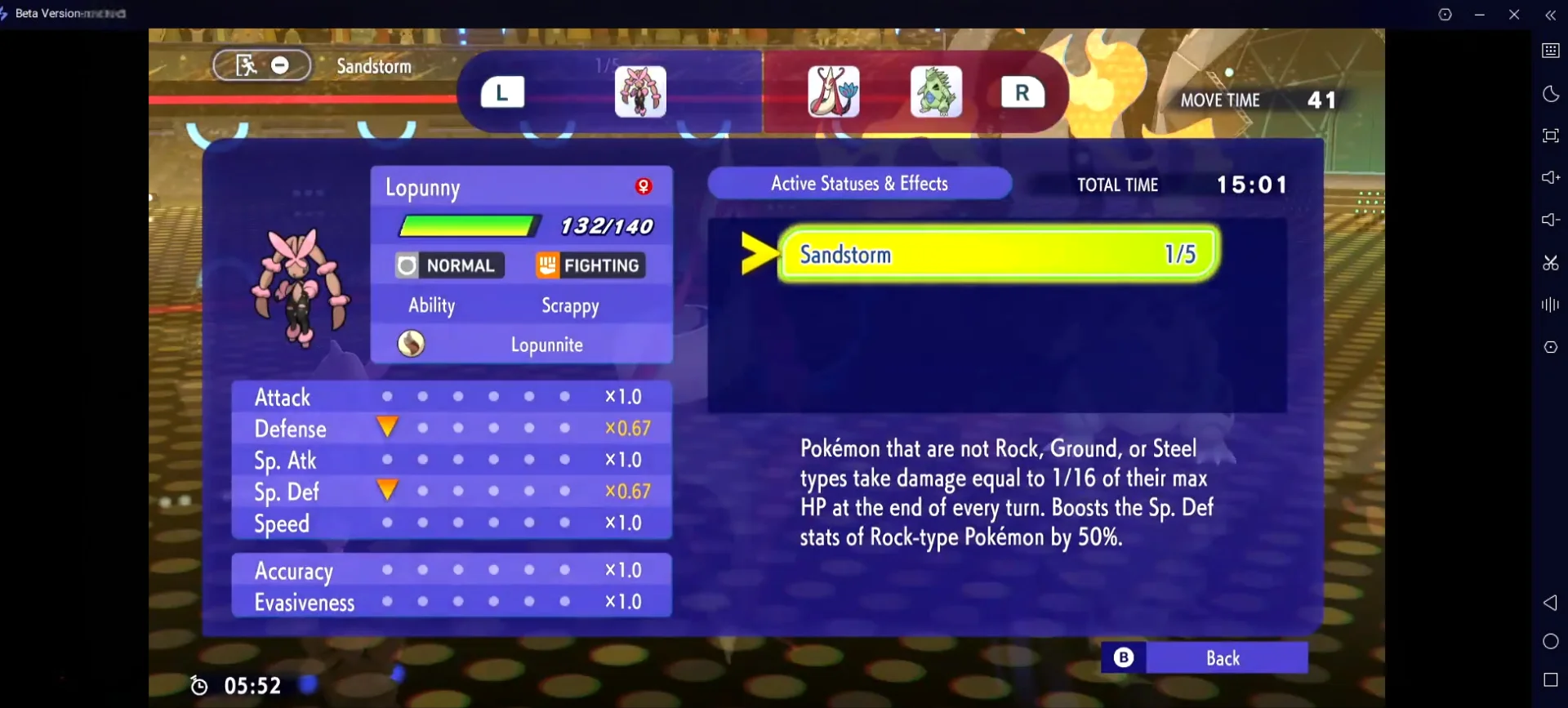
There isn't always a correct answer, but strong players learn to identify the target that gives them the biggest advantage.
Common targeting decisions include:
-
Eliminating a dangerous attacker before it can act
-
Removing a support Pokémon that enables the opponent's strategy
-
Double-targeting a key threat to secure a knockout
-
Ignoring a protected Pokémon and attacking its partner instead
For example, if your opponent has a powerful sweeper and a support Pokémon setting up Tailwind, knocking out the support Pokémon may be more valuable than damaging the attacker. Likewise, removing a fragile attacker before it moves can prevent significant damage to your team.
Another important skill is anticipating your opponent's decisions. Experienced players often expect Protect, switches, or support moves and adjust their targeting accordingly.


 AFK Anywhere, Progress Anytime

As you gain experience, you'll start asking questions such as:
-
Which Pokémon is the biggest threat right now?
-
Which Pokémon becomes dangerous next turn?
-
Can I secure a knockout with both attacks?
-
What happens if my opponent uses Protect?
The best doubles players aren't simply clicking their strongest moves. They're constantly choosing targets that weaken the opponent's game plan while strengthening their own.
TIps: Every turn in doubles is a puzzle. The player who solves it more consistently usually wins.
Basic Team Building for Double Battles
A strong doubles team is built around synergy, not just powerful Pokémon.
Unlike singles, where individual matchups often decide battles, doubles teams need Pokémon that work together through support moves, abilities, and shared game plans.
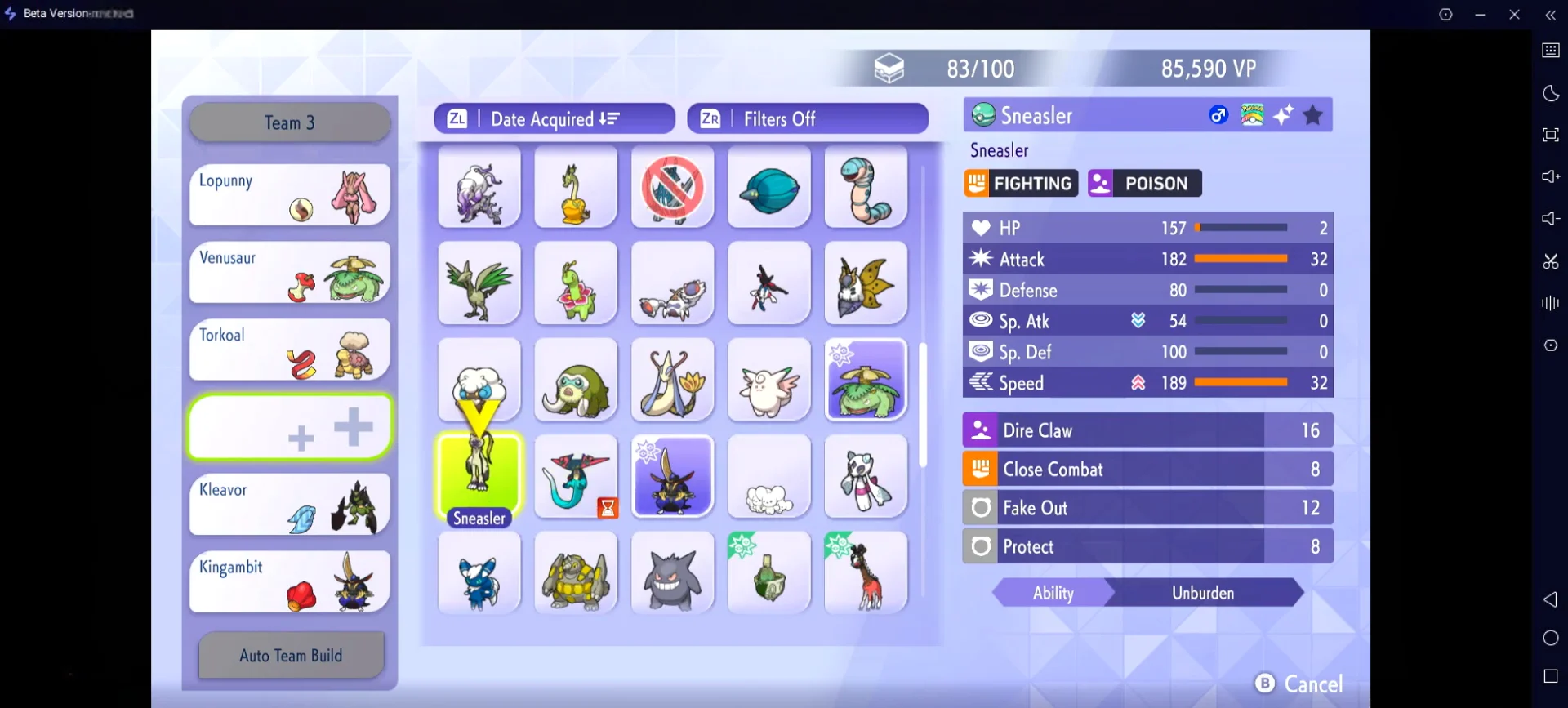
When building a team, make sure you have:
-
A clear win condition
-
At least one form of Speed control
-
Ways to protect or support key attackers
-
Answers to common threats
-
Good offensive and defensive synergy
Many successful doubles teams are built around a specific strategy, such as Tailwind offense, Trick Room, weather, or balanced playstyles. The exact Pokémon matter less than how well they support each other.
For example, a powerful attacker becomes much more dangerous when paired with a Pokémon that can provide Tailwind, Fake Out, Follow Me, or Intimidate support.
If you're new to Pokémon Champions team building, don't worry about creating the perfect team immediately. Start with a proven strategy, learn how it functions, and adjust it as you gain experience.
One of the most important tips for doubles team building is to focus on synergy and a clear game plan instead of selecting six individually powerful Pokémon.
Best Doubles Teams for Pokémon Champions
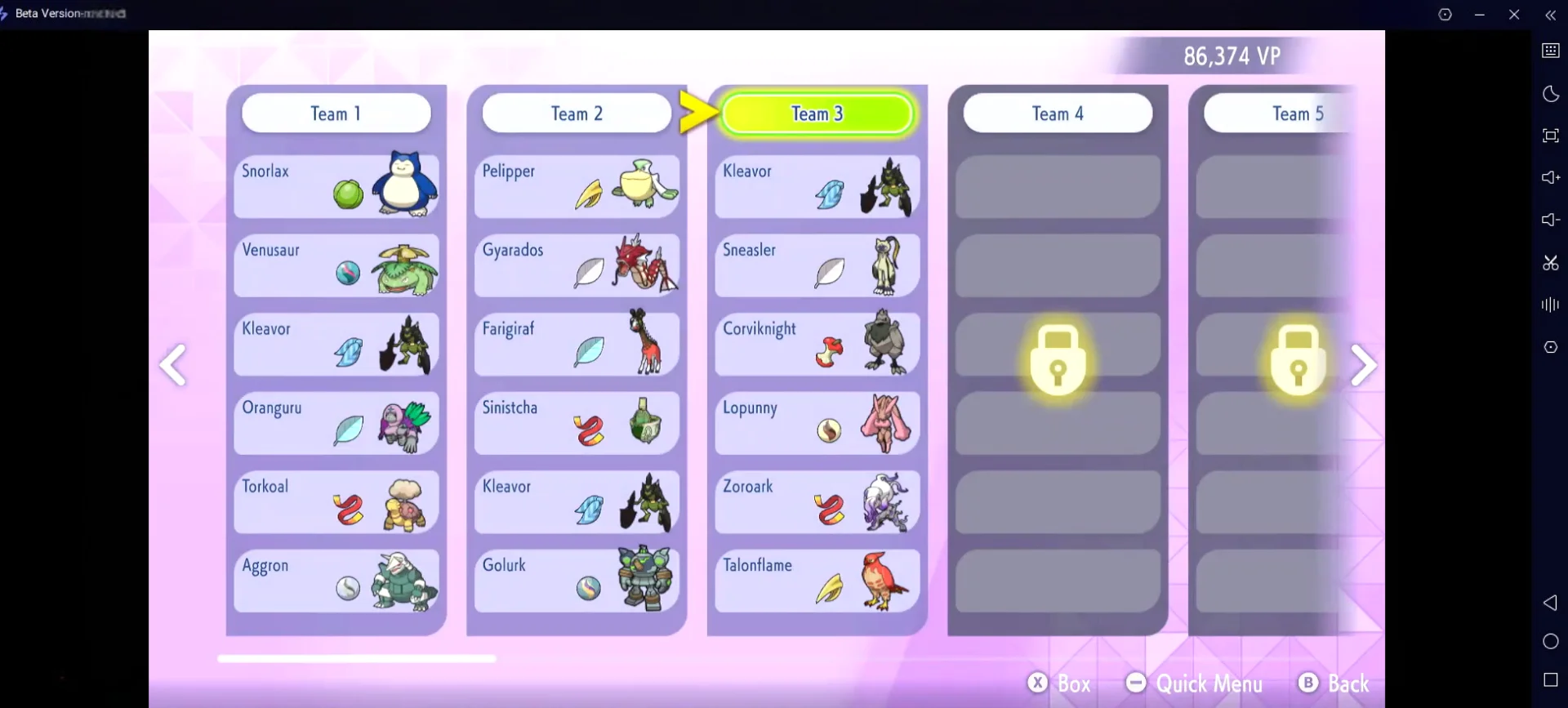
There isn't a single "best" doubles team in Pokémon Champions. Instead, the strongest teams are usually built around a specific strategy or archetype. If you're looking for the best teams for double battle formats, the archetypes below are some of the most popular and effective strategies in Pokémon Champions.
|
Team Archetype |
Playstyle |
Difficulty |
|
Tailwind Offense |
Gain Speed advantage and overwhelm opponents quickly |
Easy |
|
Trick Room |
Let slower Pokémon move first and hit hard |
Medium |
|
Weather Teams |
Use Sun or Rain to power up your team |
Medium |
|
Hyper Offense |
Focus on aggressive pressure and fast knockouts |
Medium |
|
Balance |
Mix offense, support, and defensive options |
Hard |
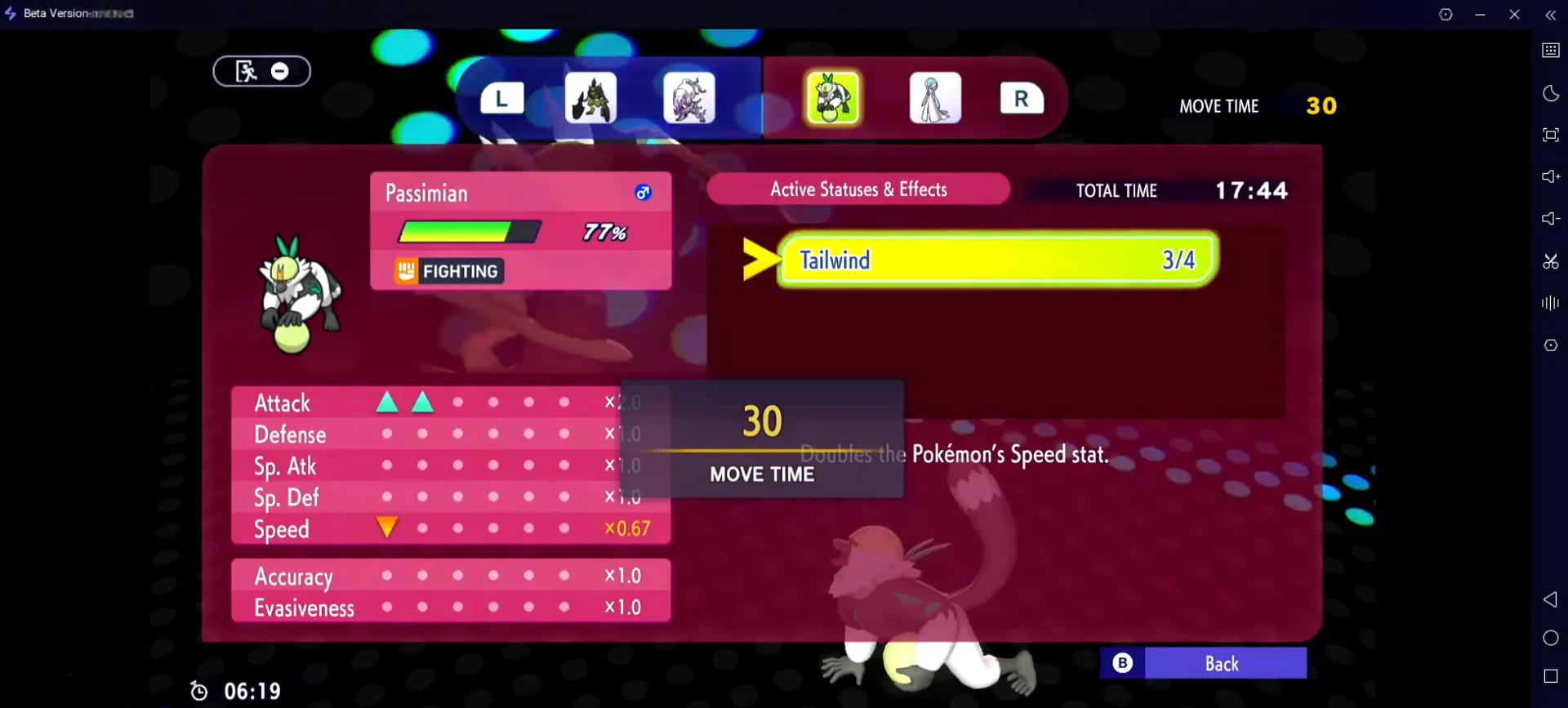
Tailwind Offense
One of the most beginner-friendly archetypes. These teams use Tailwind to double their Speed and allow powerful attackers to move before the opponent. The goal is simple: gain Speed control and maintain offensive pressure.
Trick Room
Instead of making Pokémon faster, Trick Room reverses turn order and allows slower Pokémon to move first. These teams often feature bulky attackers that become difficult to stop once Trick Room is active.
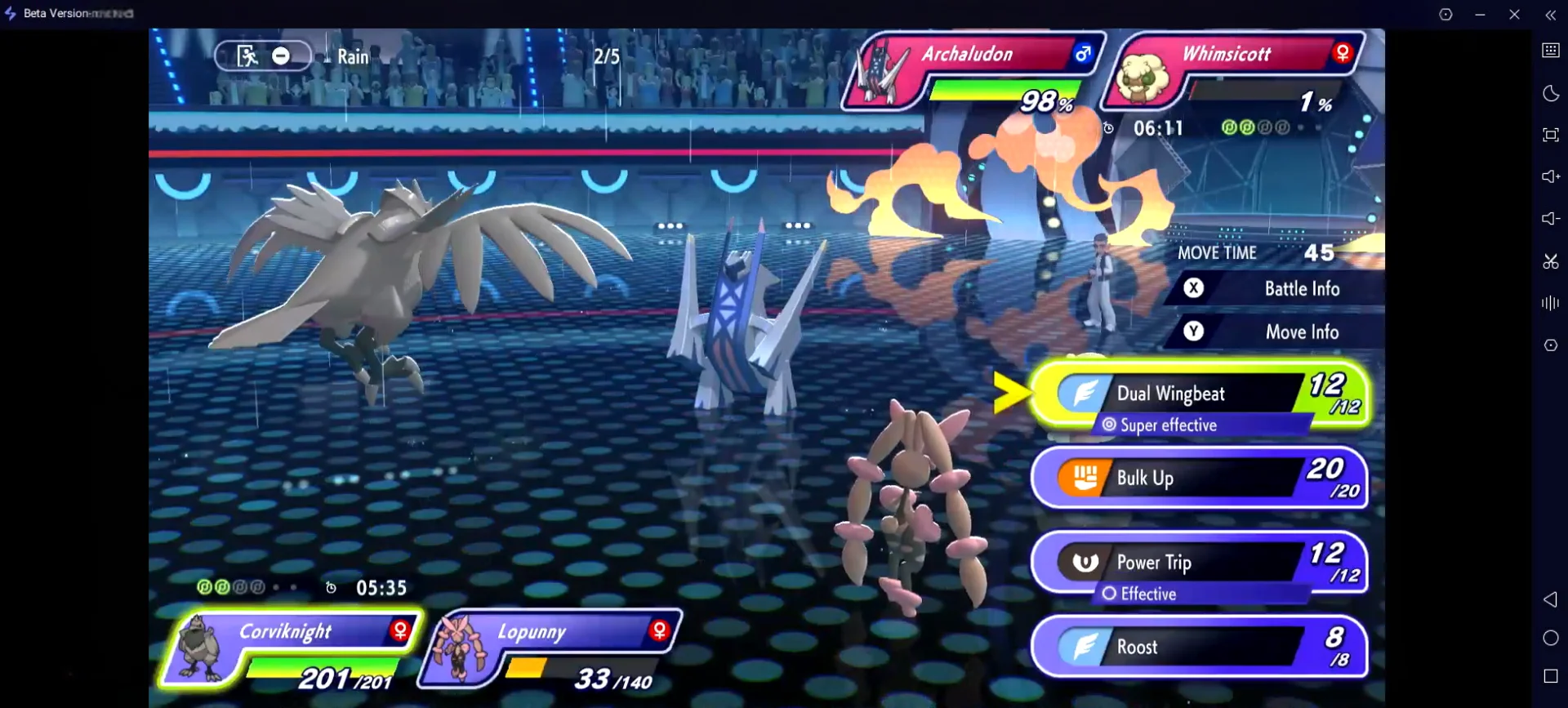
Weather Teams
Weather remains one of the most influential mechanics in doubles, allowing teams to boost damage, activate powerful abilities, and control the pace of battle. They can be extremely powerful but require careful planning and positioning.
Hyper Offense
These teams focus on applying constant pressure and securing quick knockouts. Hyper offense can end battles quickly but often leaves little room for mistakes.
Balance
Balanced teams combine offense, support, and defensive tools to handle a wide range of matchups. While they may not dominate any one area, they provide flexibility and reward strong decision-making.
If you're new to doubles, Tailwind Offense is usually the easiest place to start because it teaches many of the core mechanics you'll encounter in competitive battles.
Advanced Pokémon Champions Double Battle Tips for Climbing Ranked
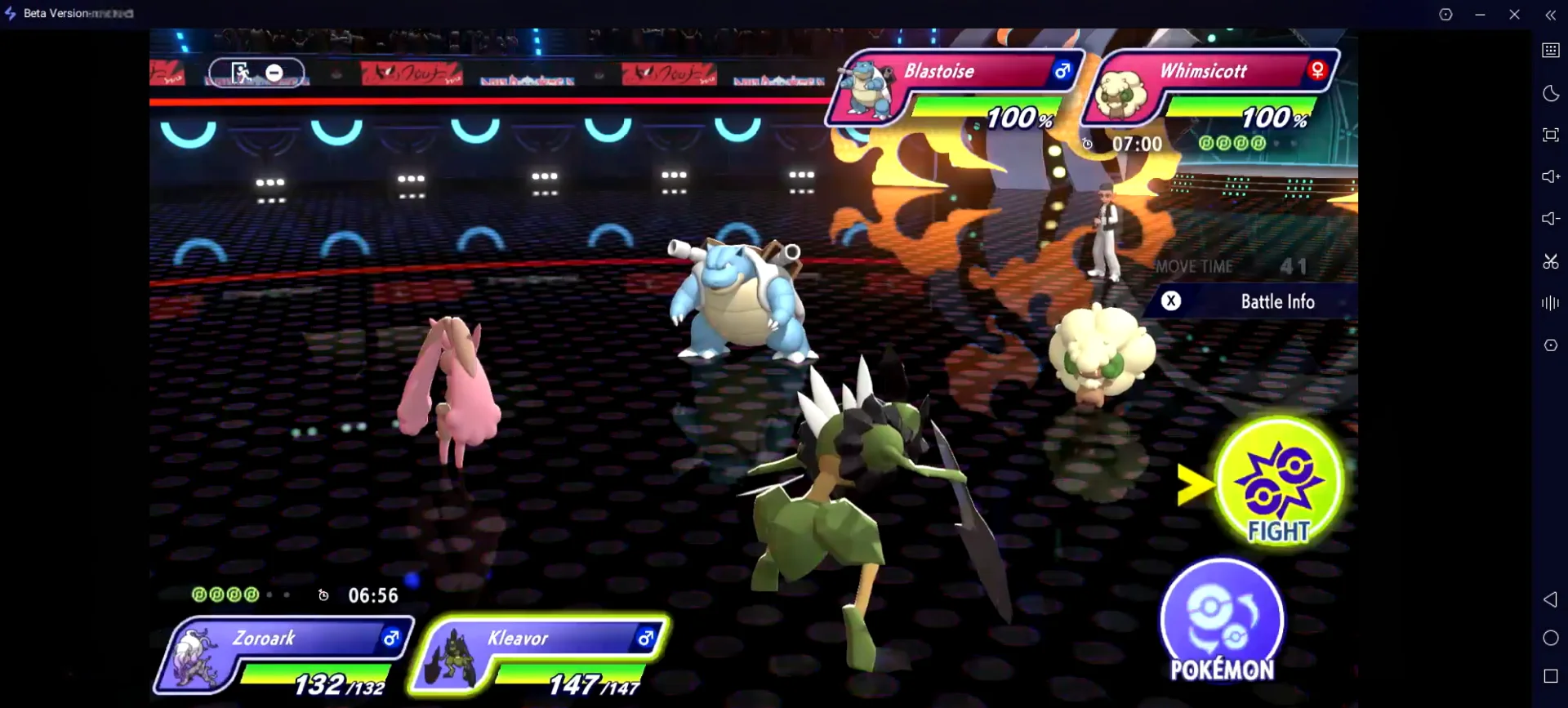
Once you've mastered the fundamentals, climbing the ranked ladder becomes less about learning mechanics and more about making better decisions consistently.
Play for Your Win Condition
Every team has a path to victory. Before the battle begins, identify which Pokémon or strategy gives you the best chance to win and make decisions that support it. Sometimes protecting a key attacker is more valuable than securing immediate damage.
Track Speed Control Turns
Tailwind, Trick Room, and other forms of Speed control often decide matches. Keep track of how many turns remain and plan ahead so you're not caught off guard when they expire.
Learn Common Leads
As you play more ranked battles, you'll start seeing the same Pokémon combinations repeatedly. Understanding what common leads are trying to accomplish makes it much easier to predict your opponent's first few turns and respond accordingly.
Study Your Losses
One of the fastest ways to improve is reviewing battles you lost. Instead of blaming luck, ask yourself:
-
Did I bring the right four Pokémon?
-
Did I identify the opponent's win condition?
-
Was there a better target or switch available?
-
Did I manage Speed control correctly?
Small improvements in decision-making often lead to big improvements in win rate.
Stay Adaptable
The strongest doubles players don't follow the same game plan every match. They adjust based on the opponent, the current board state, and the resources remaining on both sides.
Climbing ranked isn't about making perfect plays every turn. It's about making slightly better decisions than your opponent over the course of a battle.
Conclusion
Mastering Pokémon Champions double battles takes time, but understanding fundamentals like Team Preview, Speed control, Protect, positioning, and targeting will put you ahead of most players. Focus on controlling the battlefield rather than simply dealing damage, continue refining your decision-making, and adapt your strategies as you climb the ranked ladder. As you experiment with new teams and strategies, playing Pokémon Champions on a larger PC screen through OSLink can make it easier to manage complex battles and keep track of everything happening on the field.
 Download