English
Victory Points (VP) are one of the most important resources in Pokémon Champions. Whether you're recruiting new Pokémon, training competitive teams, unlocking Mega Stones, or adjusting moves and abilities, almost every aspect of long-term progression depends on how efficiently you earn and spend VP. Managing this currency properly can be the difference between constantly running out of resources and building a roster capable of competing at the highest ranks.

In this Pokémon Champions VP Guide, we'll cover the best ways to earn Victory Points, how to spend them efficiently, and the most important mistakes to avoid. As you spend more time building teams, experimenting with strategies, and climbing the ranked ladder, OSLink lets you play Pokémon Champions on a larger PC screen with customizable keyboard, mouse, or controller controls, making team management and competitive battles more comfortable and convenient.
What Are Victory Points (VP) in Pokémon Champions?
Pokémon Champions Victory Points serve as the game's primary universal currency, creating a rewarding loop where battling fuels your team's growth. Unlike scattered resources in other Pokémon titles, VP consolidates progression: you earn it primarily through competitive play and invest it directly into strengthening your roster.
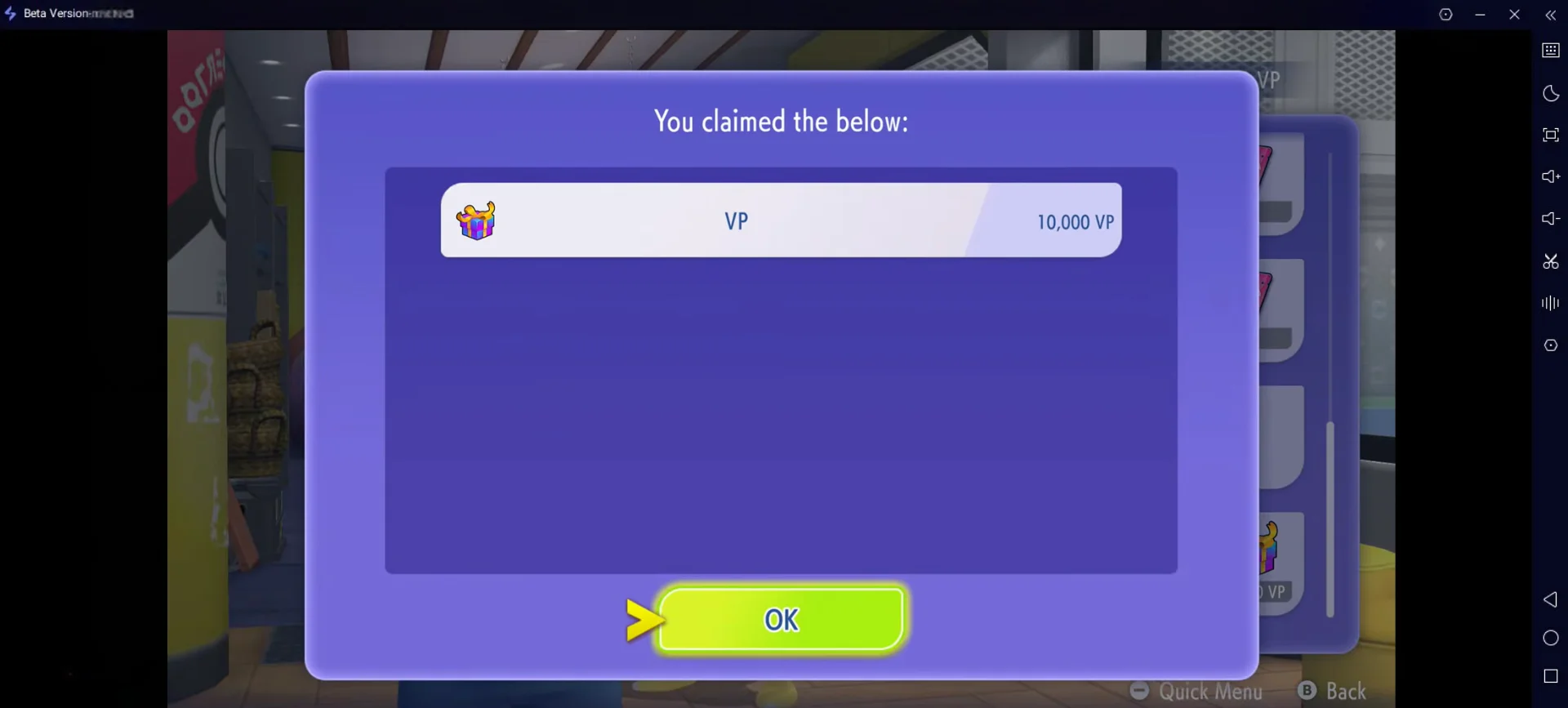
VP cannot be directly purchased with real money, keeping the focus on skill and consistent gameplay rather than paywalls. These points encourage players to actively participate in Ranked Battles, missions, and seasonal events, ensuring dedicated trainers always have pathways to compete at the highest levels.
How to Get VP: Proven Farming Strategies
To farm more victory points, There are several reliable ways to farm Victory Points:
In-Game Tutorials and Training Sessions: Start earning more VP points by knocking out the game's tutorials and training sessions, which hand out a substantial 10,000 VP boost early on, perfect for jumpstarting your roster without immediate pressure.
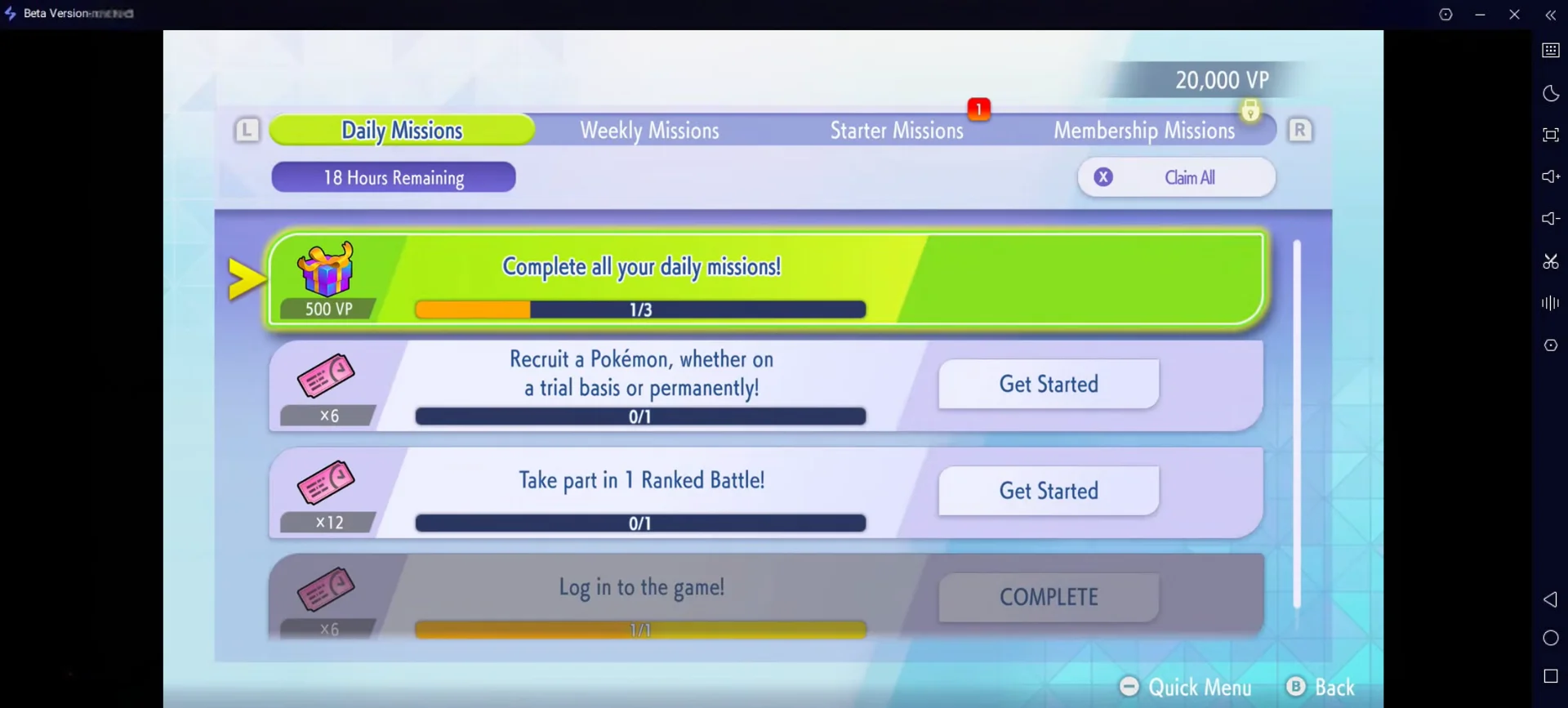
Daily and Weekly Missions: Daily and weekly missions provide steady income, with dailies offering around 500 VP and weeklies up to 9,000 VP. These tasks often align naturally with your regular play sessions, such as completing a set number of battles or experimenting with different Pokémon types. Don't overlook starter missions either, which deliver another big one-time payout of 10,000 VP.
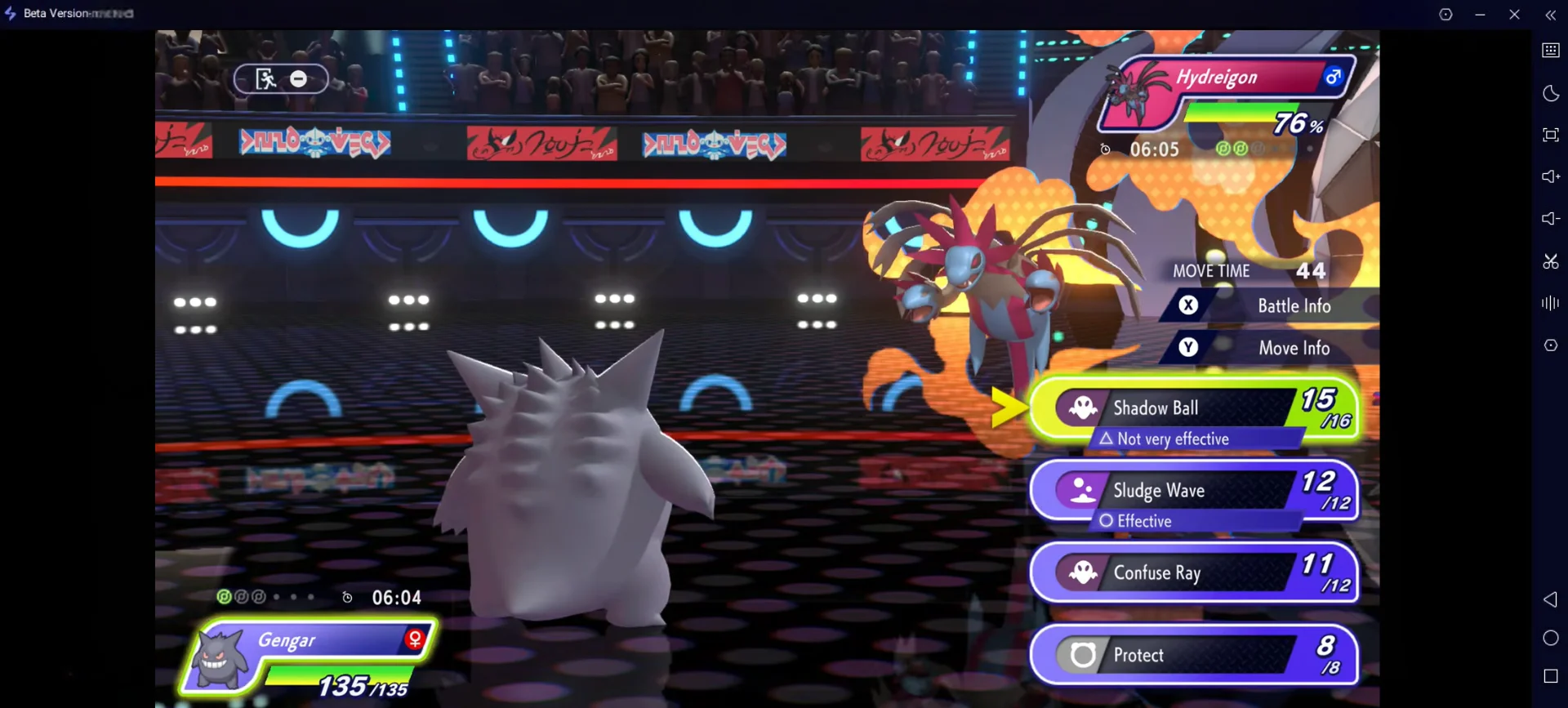
Ranked Battles: Ranked Battles stand as the core VP engine. You can earn VP whether you win (around 300 VP) or lose (around 150 VP), removing the fear of "wasted" matches. Climbing ranks unlocks even bigger season-end rewards, scaling from hundreds in lower tiers like Poke Ball up to 10,000–20,000 VP or more at Master Ball and Champion levels. Focus on building win streaks and adapting to the current regulations for maximum efficiency.
Battle Pass and More Achievements: Achievements and Battle Pass progression add more layers to the Pokémon Champions VP points. The Battle Pass alone can yield up to 10,000 VP through level milestones starting around Level 31. Aim for these consistently, especially during events or regulation changes that refresh the meta and introduce fresh objectives.
Pro Tip for Fast VP Gains: Early in a season, prioritize volume. You can spam matches while completing missions. As you improve, shift toward quality wins at higher ranks for superior returns.
How to Spend VP Wisely: Smart Allocation Strategies
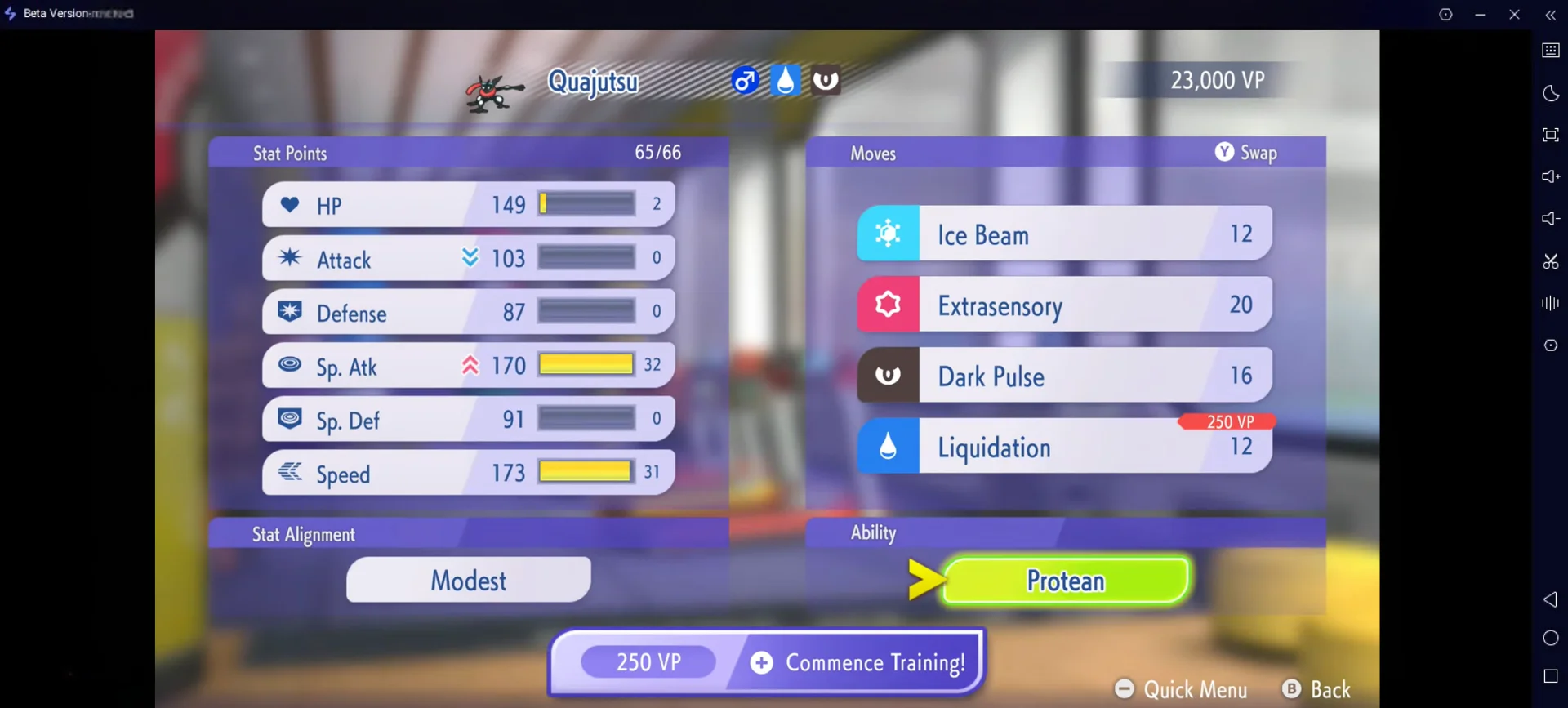
Spending VP feels rewarding because every investment directly impacts your battling potential, but poor choices can stall progress. The most critical use is training Pokémon, where you can overhaul movesets, abilities, natures, and individual stats. Costs vary: minor adjustments like single moves might run around 100–250 VP, while full rebuilds (including stats and ability changes) can total several hundred VP per Pokémon. You have to prioritize core team members first.
Recruitment at Roster Ranch is another major sink. Permanent recruitment typically costs 2,500 VP per Pokémon, making it a significant commitment, especially compared to temporary 7-day trials, which are free, which are free. Use trials to test synergies before committing, especially for meta-relevant Pokémon or those enabled under current regulations.
The shop also offers held items, Mega Stones, and cosmetics. Always prioritize competitive assets like strong held items or Mega Stones over cosmetics, saving the latter for when you have surplus VP. This approach keeps your team battle-ready while building long-term flexibility.
Spending Tips: Maximize Value and Avoid Common Pitfalls
Smart VP management separates consistent climbers from those stuck in lower ranks. Here are some of the best battle-tested principles:

-
Prioritize Training Over Recruitment Early: Max out your starter and early recruits before expanding. A fully optimized small team often outperforms a larger but underdeveloped one.
-
Leverage Quick Coupons/Alternatives: Where available, use training tickets or other shortcuts to preserve VP for high-impact spends like permanent recruits or key stat reallocations.
-
Seasonal Planning: Save VP toward the end of a season for new regulation Pokémon or major meta shifts. Avoid spending all of your VP on short-term meta trends.
-
Test Before Committing: Use free trials extensively. The flexibility to experiment without VP loss is one of the game's best features.
-
Balance Short-Term and Long-Term: Allocate some VP to immediate power spikes (e.g., moves and abilities for current battles) while banking for big-ticket items like premium Mega Stones.
Warnings worth noting: Training changes are flexible but can add up quickly if you experiment recklessly. Recruitment is permanent once paid, so confirm the Pokémon fits your playstyle and the ongoing regulations.


 AFK Anywhere, Progress Anytime

Can You Buy VP? Understanding the Economy
No, you cannot directly buy VP with real money. This intentional design reinforces Pokémon Champions as a skill-based competitive experience. While premium Battle Pass tiers and other purchases exist for cosmetics or convenience items, the core VP economy remains earn-through-play, preventing it from becoming pay-to-win. Focus on consistent battles and smart habits, and you'll accumulate more than enough to stay competitive.
This closed-loop system rewards dedication: the more you battle and improve, the more VP you earn, creating natural progression without external shortcuts.
Conclusion
That wraps up our Pokémon Champions VP Guide. By focusing on daily missions, ranked battles, seasonal rewards, and smart resource planning, you'll maintain a healthy VP reserve to improve your teams and stay competitive as the meta evolves. Remember to prioritize training, invest carefully in new recruits, and avoid wasting resources on unnecessary purchases. As you continue building stronger teams and pushing higher ranks, OSLink can enhance your experience by letting you play Pokémon Champions on a larger PC screen with customizable controls, giving you a more comfortable way to manage battles, refine strategies, and enjoy competitive play.
 Download