English
Starting your adventure in Permafrost can be challenging, especially when you're still figuring out the crafting and survival mechanics. From collecting Stone and Wood to building your first Campfire, there's plenty to learn. This Permafrost beginner guide shares useful tips to help you stay warm, gather what you need, and get comfortable with the game.
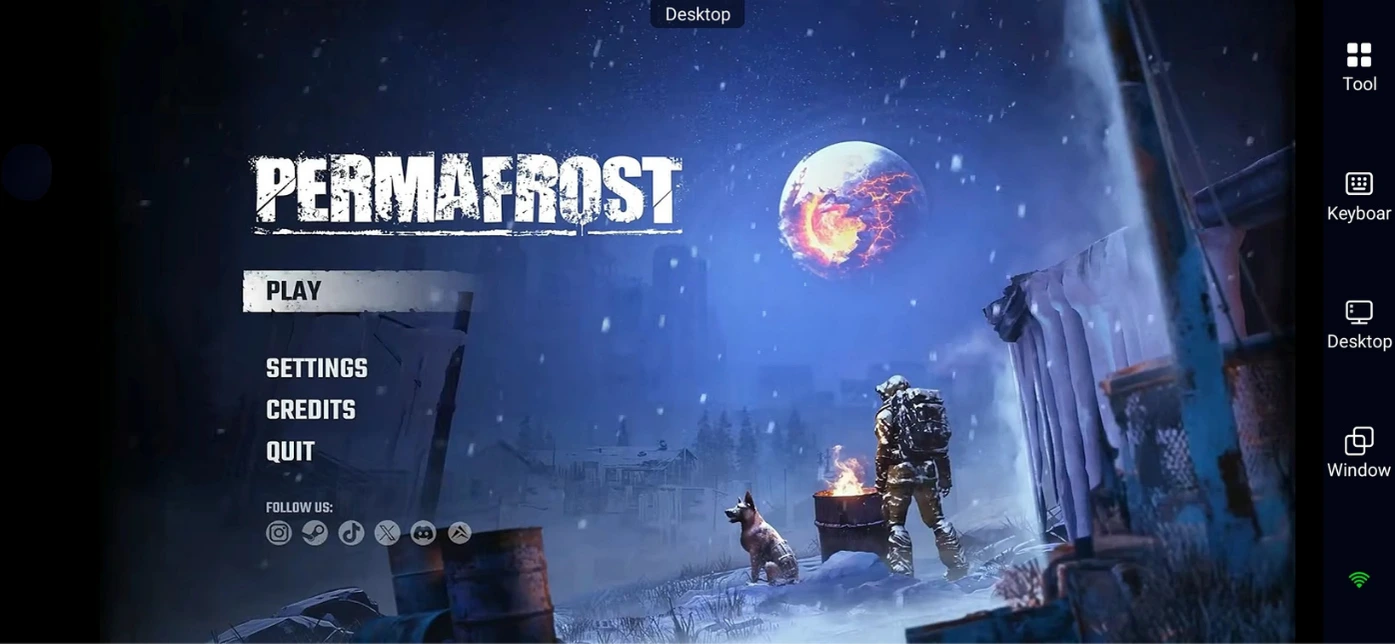
Want to keep exploring the frozen world even when you're away from your PC? OSLink lets you remotely play Permafrost on your mobile device, so you can continue gathering resources, crafting tools, and managing your resources on the go. It's a handy option when you want to jump back into the game without sitting at your desk.
Gather Stone and Wood First
Stone and Wood are essential resources in the early stages of Permafrost. You'll need them to craft basic tools that make gathering materials and progressing through the opening quests much easier. Before heading farther into the frozen wilderness, collect enough resources to get your first tools ready.
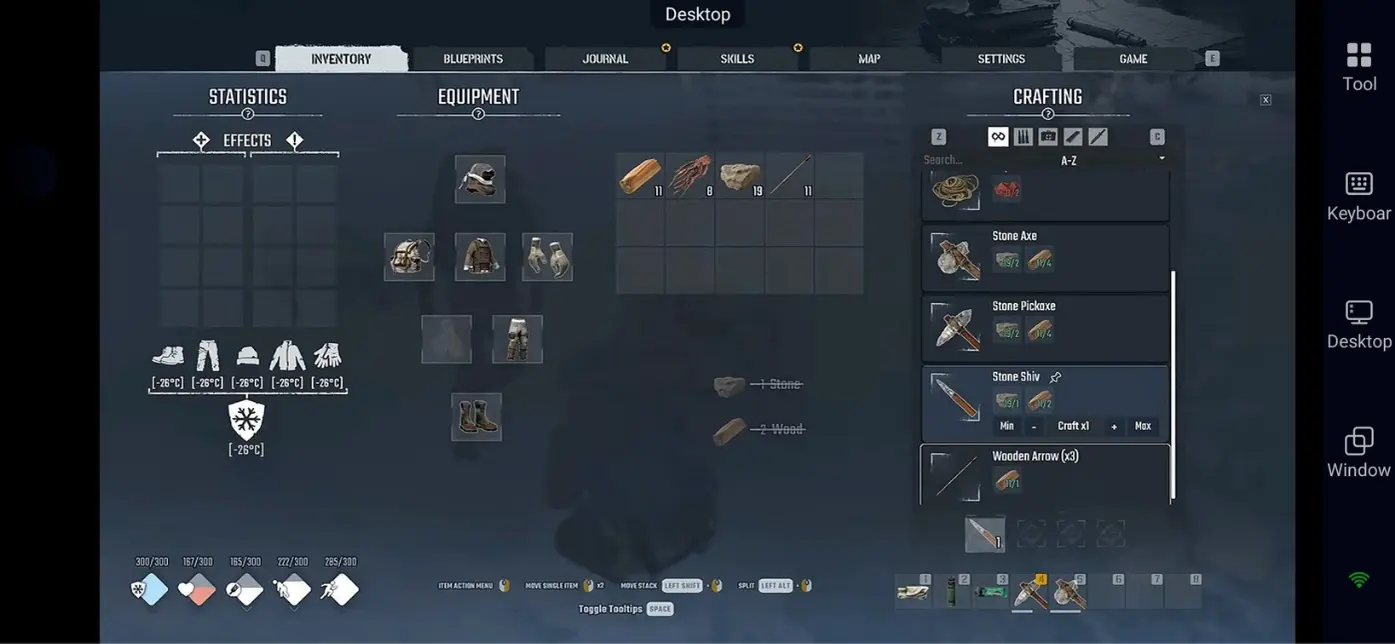
- Collect Stone: Pick up around 6 Stone to get started with basic tool crafting.
- Gather Wood: Collect around 12 Wood to give yourself enough material for your initial tools and some extra resources.
- Craft a Stone Axe: Use 2 Stone and 4 Wood to craft a Stone Axe, which helps you gather Wood more efficiently.
- Craft a Stone Pickaxe: Use 2 Stone and 4 Wood to craft a Stone Pickaxe. You'll need the appropriate pickaxe to mine certain resources as you progress.
As you explore, pay attention to the resources required for your next crafting recipes. Gathering a little extra early on can save you from having to interrupt an expedition to collect basic materials.
Build a Campfire to Stay Warm
A Campfire is one of the first essential structures you'll need in Permafrost. It provides a reliable heat source when you're exploring the frozen wilderness, making it important to know how to build, fuel, and use one efficiently.
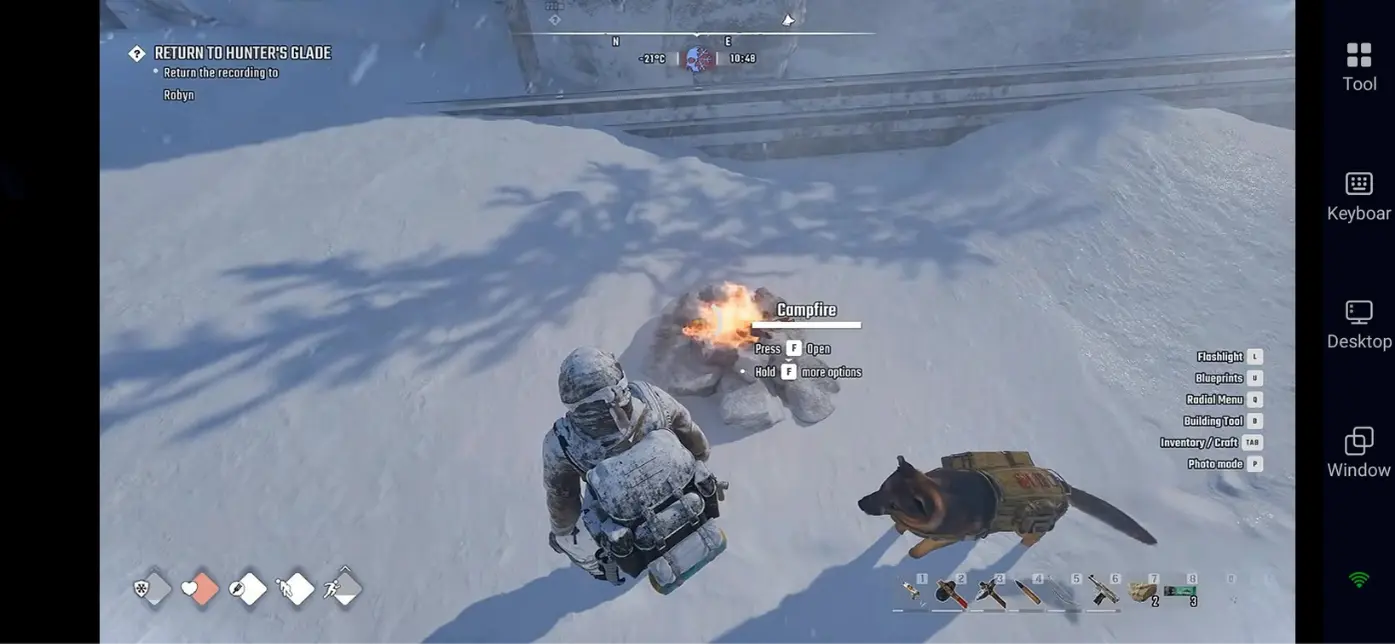
| Step | What to Do |
| Gather materials | Collect 2 Stone for the Campfire and bring Wood to use as fuel. |
| Place the Campfire | Press B to open the building menu, select the Campfire, and place it in a suitable location. |
| Add fuel | Add Wood to the Campfire's fuel slot and light it. |
| Recover your warmth | Stay close to the lit Campfire until your Body Warmth begins to recover. |
| Plan your stops | When exploring farther from your base, consider suitable locations for temporary Campfires so you have a place to warm up along the way. |
Tip: Carry enough Wood for your planned journey and keep an eye on your available fuel. A Campfire is most useful when you can keep it burning long enough to recover before continuing your exploration.
Understand Body Warmth and Cold Zones
Staying warm in Permafrost requires more than building a Campfire. Pay attention to the temperature around you and make sure your equipment can handle the conditions before exploring unfamiliar areas.
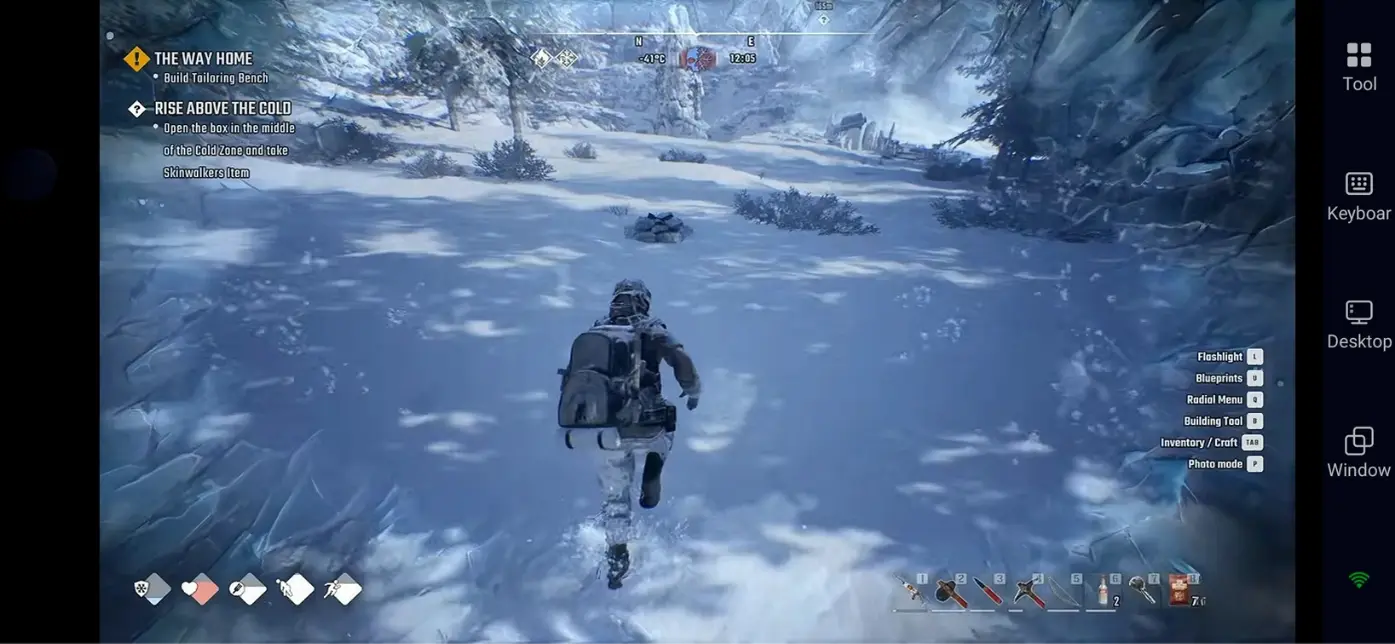
- Check your gear's temperature rating: If the temperature drops below the level your equipment can handle, your Body Warmth will begin to decrease.
- Recognize cold zones: Watch for the blue fog that signals colder areas, and prepare before entering.
- Use heaters carefully: Heaters can help you recover warmth faster and slow down heat loss, but their durability is limited. Keep Plastic available for repairs.
- Plan short expeditions: When exploring dangerous cold zones, consider placing a Campfire near the entrance so you have a nearby source of warmth.
- Treat Hypothermia promptly: If your Body Warmth reaches zero and your health starts dropping, leave the cold area and find a heat source as quickly as possible.
Before venturing farther into the frozen wilderness, check your temperature resistance, carry enough supplies, and make sure you have a reliable way to warm up.
Follow the Early Quests
Following the early quests in Permafrost is one of the easiest ways to learn the game's mechanics and unlock useful crafting recipes. Completing these objectives also helps you understand what to prioritize as you progress through the opening stages.
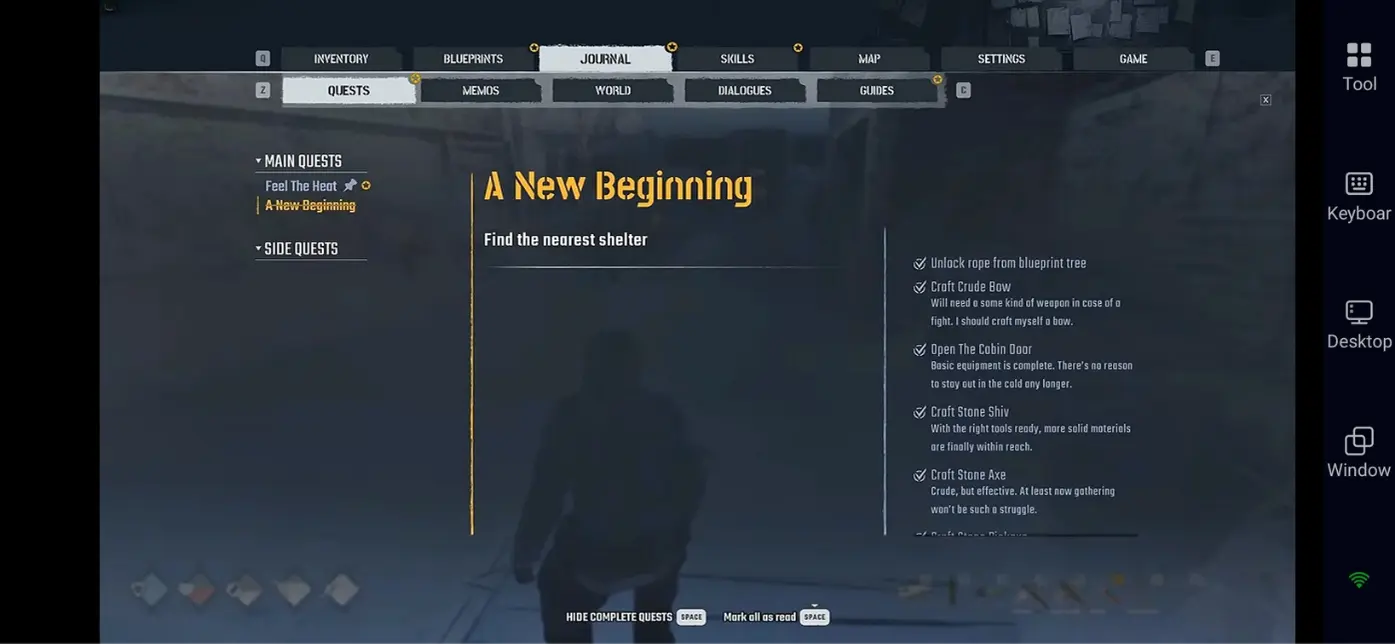
- Complete the starting quests: Follow the initial objectives to learn the basics of crafting, exploration, and survival.
- Check your quest rewards: Collect available rewards and review any newly unlocked recipes or blueprints before moving on.
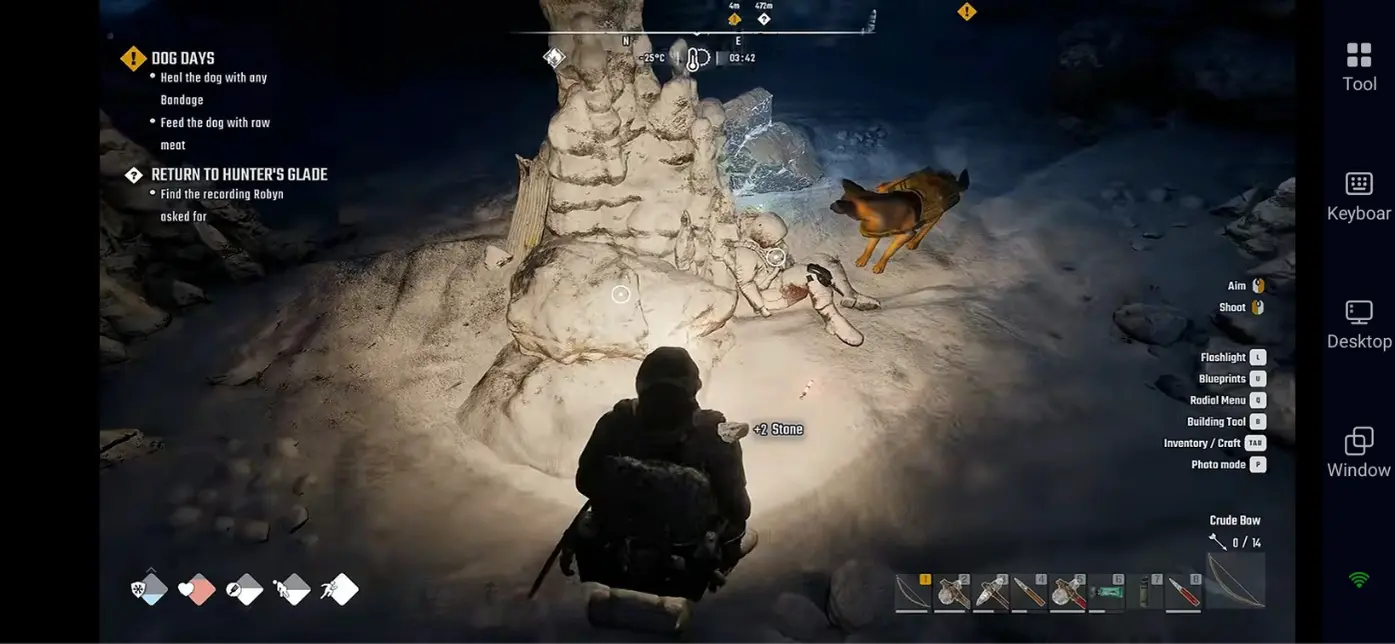
- Rescue your dog: Progress through the Dog Days quest to find your companion. Completing this objective also unlocks useful companion features as you continue your adventure.
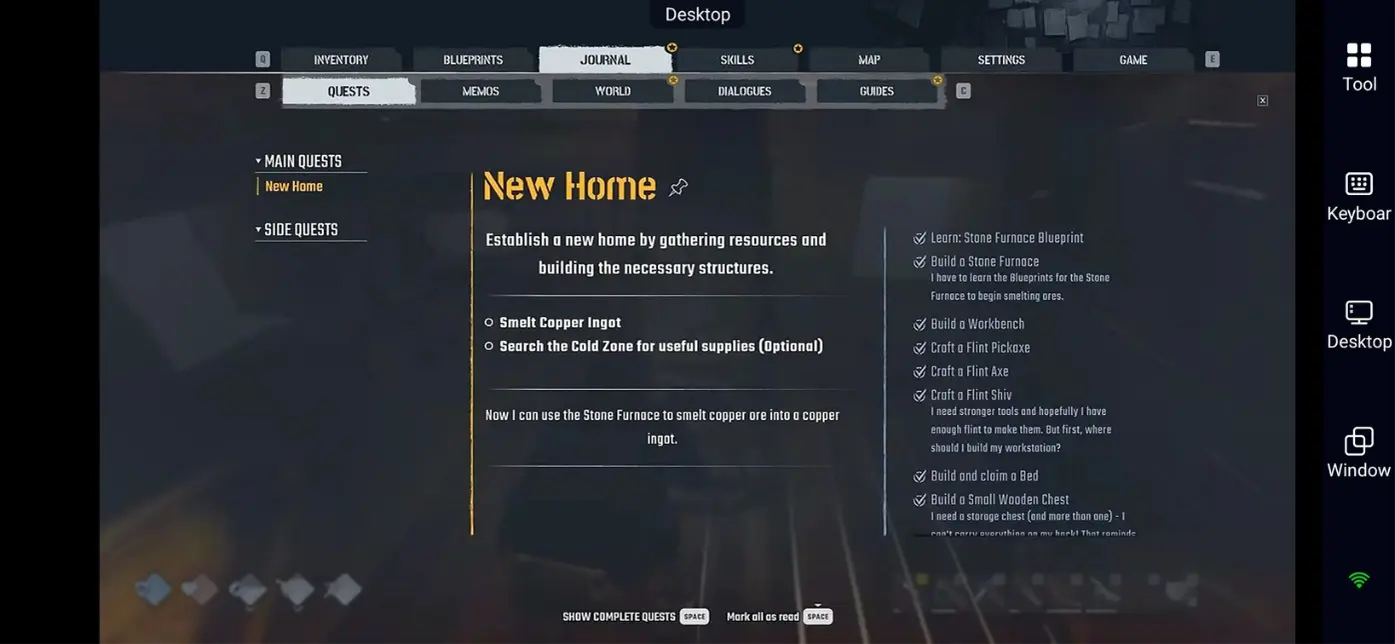
- Progress through New Home: Follow the New Home quest to unlock new base-building options and establish your first shelter.
- Review your next objective: Check the quest menu whenever you're unsure what to do next. Following the listed objectives helps you identify important tasks and avoid overlooking progression requirements.
Take your time with the early quests and pay attention to what each objective teaches you. They provide a useful introduction to Permafrost's systems and help prepare you for the challenges ahead.


 AFK Anywhere, Progress Anytime

Build Your First Shelter
Building your first shelter in Permafrost gives you a place to rest, organize your resources, and prepare for your next expedition. Instead of spending too many resources on a large base straight away, focus on creating a small, functional home that supports your early survival needs.
- Start with a small structure: Gather the materials you need and build a simple shelter. You can expand it later as you collect more resources and unlock additional building options.
- Build near a Campfire: Keep a reliable heat source nearby so you can recover Body Warmth after exploring cold areas. Make sure you have enough Wood to keep the fire burning when you need it.
- Set up a bed: Place a bed in your base so you have somewhere to rest and recover your energy. Interact with the bed to access its resting options, and use Sleep when you want to advance through the night.
- Complete the New Home quest: Follow the early building objectives to unlock useful construction options and establish your first proper base. Prioritize essential structures, including a Workbench, as you progress.
- Keep your resources organized: Store materials you don't need for your current expedition so you can prepare for future crafting and construction without filling your inventory with unnecessary items.
- Expand your base gradually: Add more structures as you unlock recipes and gather materials. A practical shelter with the essentials is more valuable early on than a large building you cannot fully use.
Your first shelter doesn't need to be impressive. Focus on having a dependable place to rest, access warmth, and prepare your equipment before venturing farther into the frozen wilderness.
Manage Your Inventory and Progression
Efficient resource management makes a big difference in Permafrost. Rather than collecting everything indiscriminately, prioritize materials and unlocks that help you survive and progress.
- Loot abandoned vehicles: Search vehicles and other containers for useful materials such as Cloth, Scrap, Plastic, and ammunition.

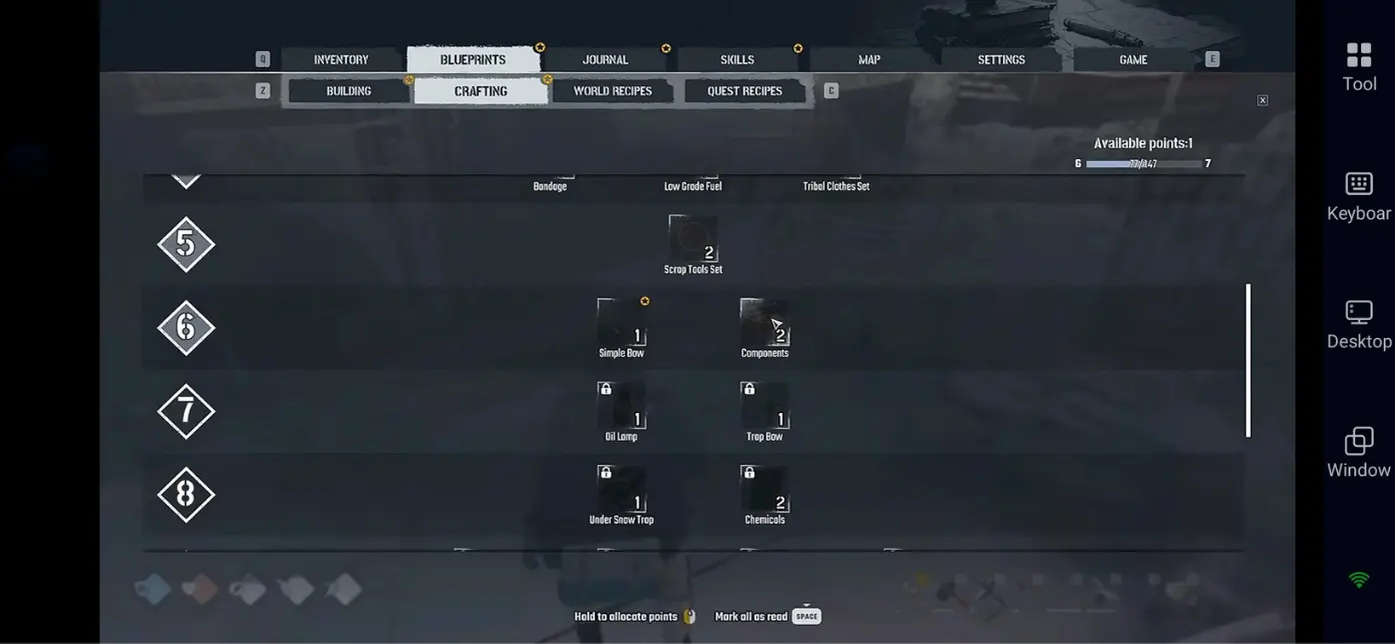
- Watch your Blueprint Points: Some early quests require specific blueprint unlocks. Check your quest objectives before spending points on optional recipes.
- Level up Crafting and Building separately: Crafting items improves your Crafting progression, while constructing structures improves Building progression. Both systems can provide additional blueprint points when you level up.
- Choose the right tool: If a resource interaction indicator is red, check whether you need a different tool or a higher-tier one. A white indicator means your current tool is suitable.
- Use your dog for extra storage: After completing the relevant companion quest, take advantage of your dog's additional carrying capacity.
- Listen for danger: Changes in the background music can alert you to nearby threats. Stay alert even when you cannot immediately see an enemy.
- Complete NPC challenges: Early challenges can provide useful supplies and equipment, alongside decorative rewards for your shelter.
A little preparation goes a long way. Check your equipment, manage your available blueprint points, and make the most of the resources you discover while exploring.
Essential Permafrost Gameplay Tips
Beyond gathering resources and establishing your first shelter, a few simple habits can make everyday survival in Permafrost much easier.
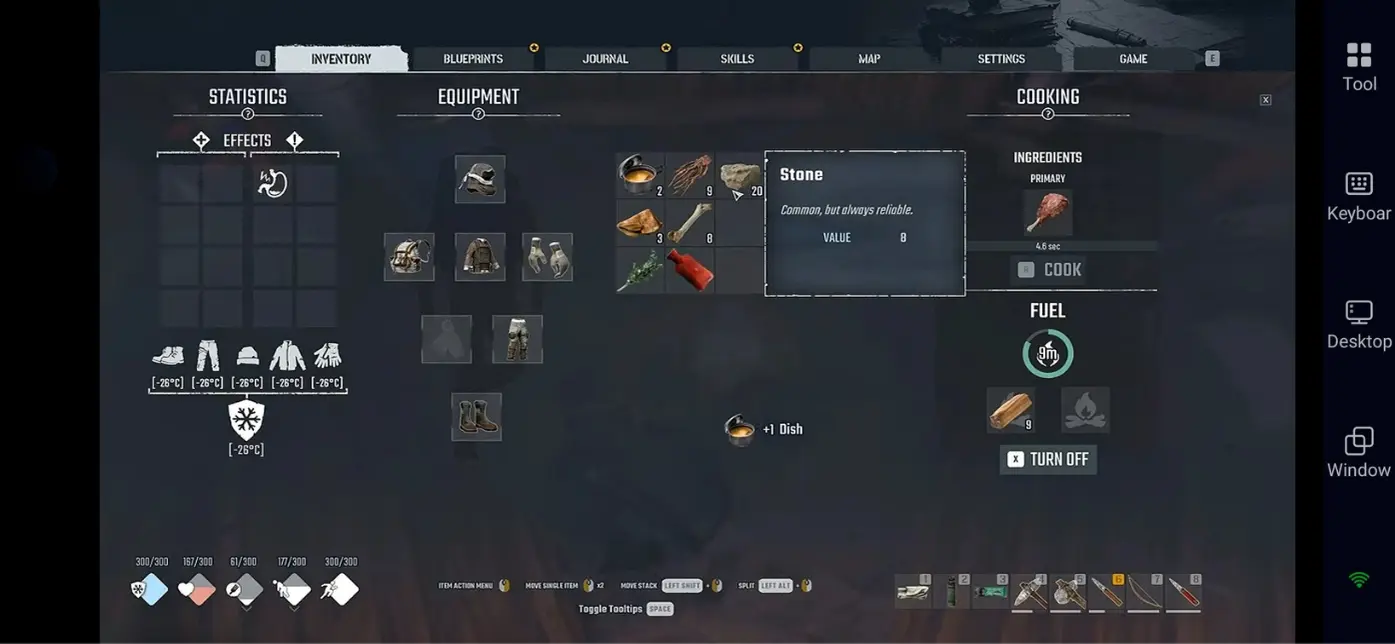
- Cook your food: Cook raw meat before eating it to reduce the risk of Parasites.
- Manage your energy: Use a claimed bed to rest when your energy gets low, especially before setting out on a longer expedition.
- Choose your fights carefully: Avoid unnecessary confrontations with dangerous wildlife when you're low on health or short on supplies.
- Look after your dog: Keep your companion fed and healed so it remains ready to assist you during your adventures.
- Loot as you explore: Search abandoned vehicles, containers, and other locations for useful materials and supplies instead of relying entirely on gathering resources yourself.
- Listen for danger: Pay attention to changes in the background music, as they can alert you to nearby threats even when you cannot immediately see them.
Common Permafrost Beginner Mistakes to Avoid
Small mistakes can waste valuable resources or make exploration more dangerous in Permafrost. Keep these common pitfalls in mind as you progress through the game.
- Entering dangerous areas unprepared: Avoid venturing into unfamiliar or hostile locations without enough healing items, suitable equipment, and a way to recover if things go wrong.
- Spending Blueprint Points without checking quest requirements: Some early objectives require specific unlocks, so review your upcoming crafting needs before investing points in optional recipes.
- Using the wrong tool for a resource: If an interaction indicator is red, check whether you need a different tool or a higher-tier one rather than wasting time trying to harvest the resource.
- Ignoring useful loot: Don't overlook containers, abandoned vehicles, or discoverable blueprints while exploring. They can provide materials and equipment that would otherwise require additional effort to obtain.
- Building an oversized base too early: Focus on essential structures first and expand as your resources and building options improve.
- Ignoring equipment durability: Check the condition of important equipment and repair it when necessary so it doesn't fail when you need it most.
Conclusion
And that's it for our Permafrost beginner guide! Take your time, watch for the cold, and make sure you have enough supplies before heading out to explore. Once you get the basics down, surviving in the frozen wilderness becomes much easier. Prepare your gear, look after your dog, and enjoy exploring the icy world. Want to continue your adventure even when you're away from your PC? Give OSLink a try to remotely play Permafrost on your mobile device, so you can check on your progress and jump back into the game wherever you are. Good luck out there, and I'll see you in the next guide!
 Download