English

Culdcept BEGINS is a strategic card game where every card can bring you closer to victory or leave you one step behind. With more than 400 cards to collect and only 40 cards allowed in each book, building the perfect deck can feel like a real challenge. So, which creatures, items, and spell cards should you choose, and which elemental combinations work best? Don't worry! This guide is here to help you discover the best builds and strategies to outsmart your opponents and win more battles.

While testing different card combinations to build the best Culdcept BEGINS decks, spending hours at your PC can get tiring. That’s where OSLink comes in! It lets you access your PC remotely and play the PC version of Culdcept BEGINS from your mobile device, so you can continue testing your deck building strategies even when you want to step away from your desk.
Understand Main Card Categories
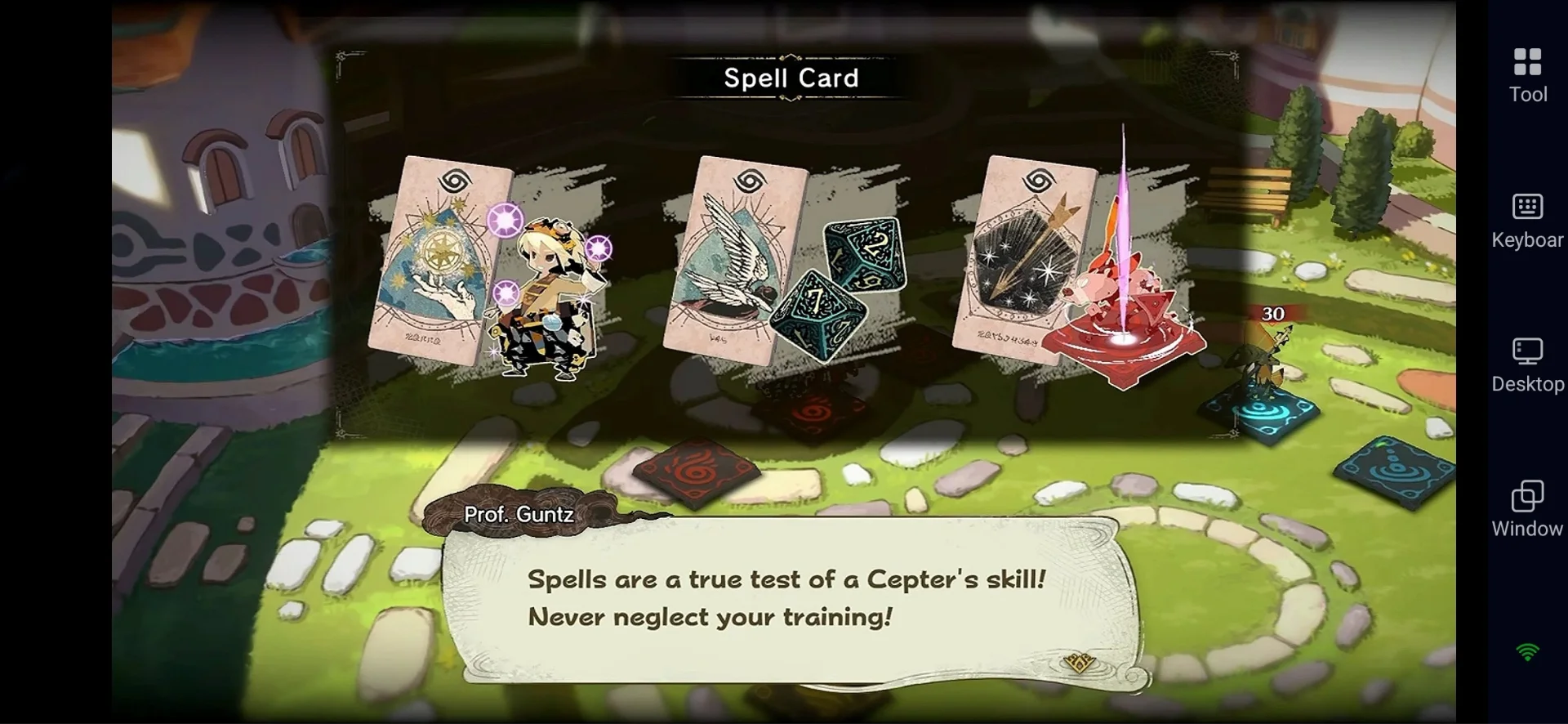
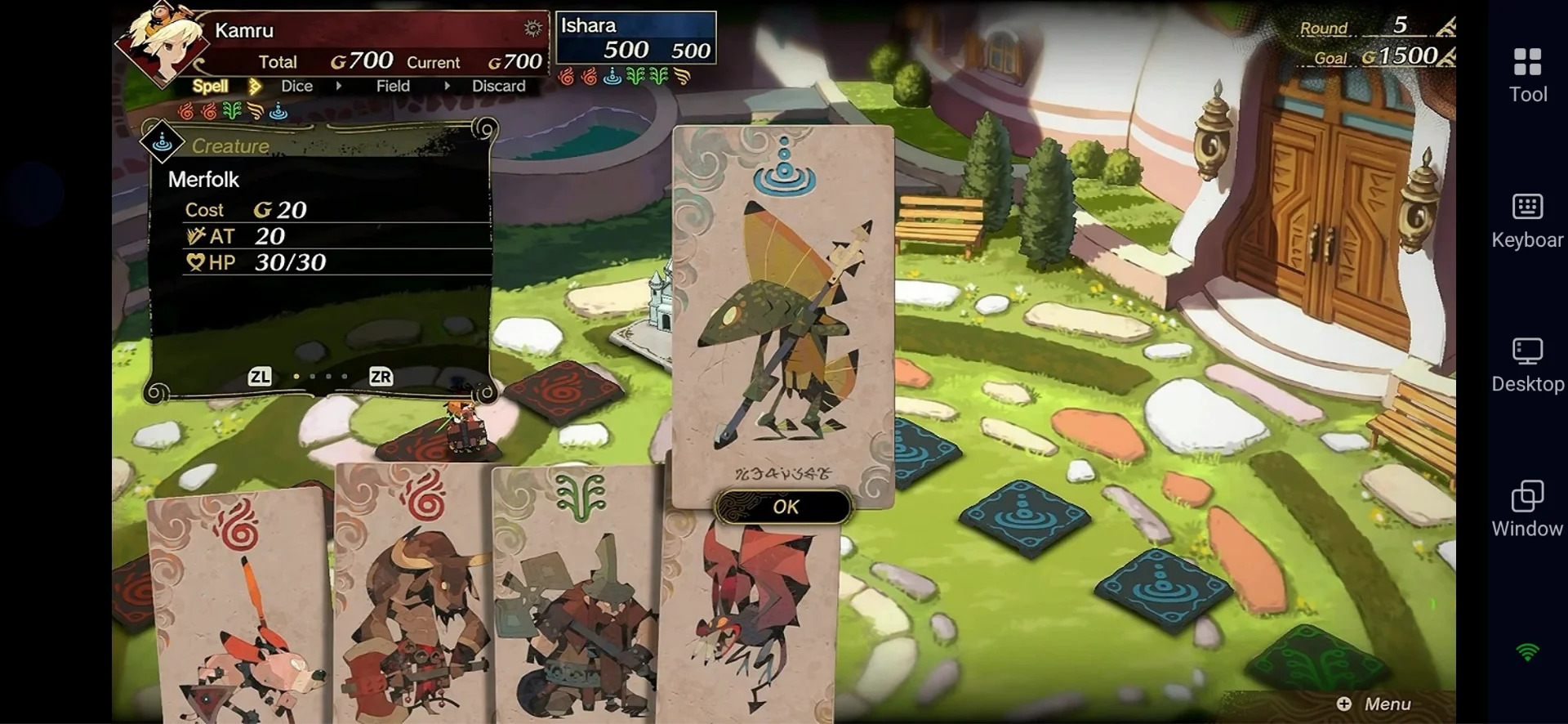
Culdcept BEGINS has three main card categories: Creature Cards, Item Cards, and Spell Cards. Each type has a different role, and using a good mix of all three will help you build a Culdcept BEGINS best deck and perform better in battles.
|
Card Type |
Why they are helpful |
|
Creatures |
Each creature has AT (attack), HP (hit points), and sometimes special abilities. They stay on the board to defend your land or attack others and take over territories . |
|
Items |
Include reliable offensive and defensive options like Weapons, Armors, Tools and Scrolls to improve battle performance and protect Creatures |
|
Spells |
Help to control the board, earn resources, move creatures, change dice results, convert land, disrupt enemies, or draw cards. |
Culdcept BEGINS Element Types and Weaknesses
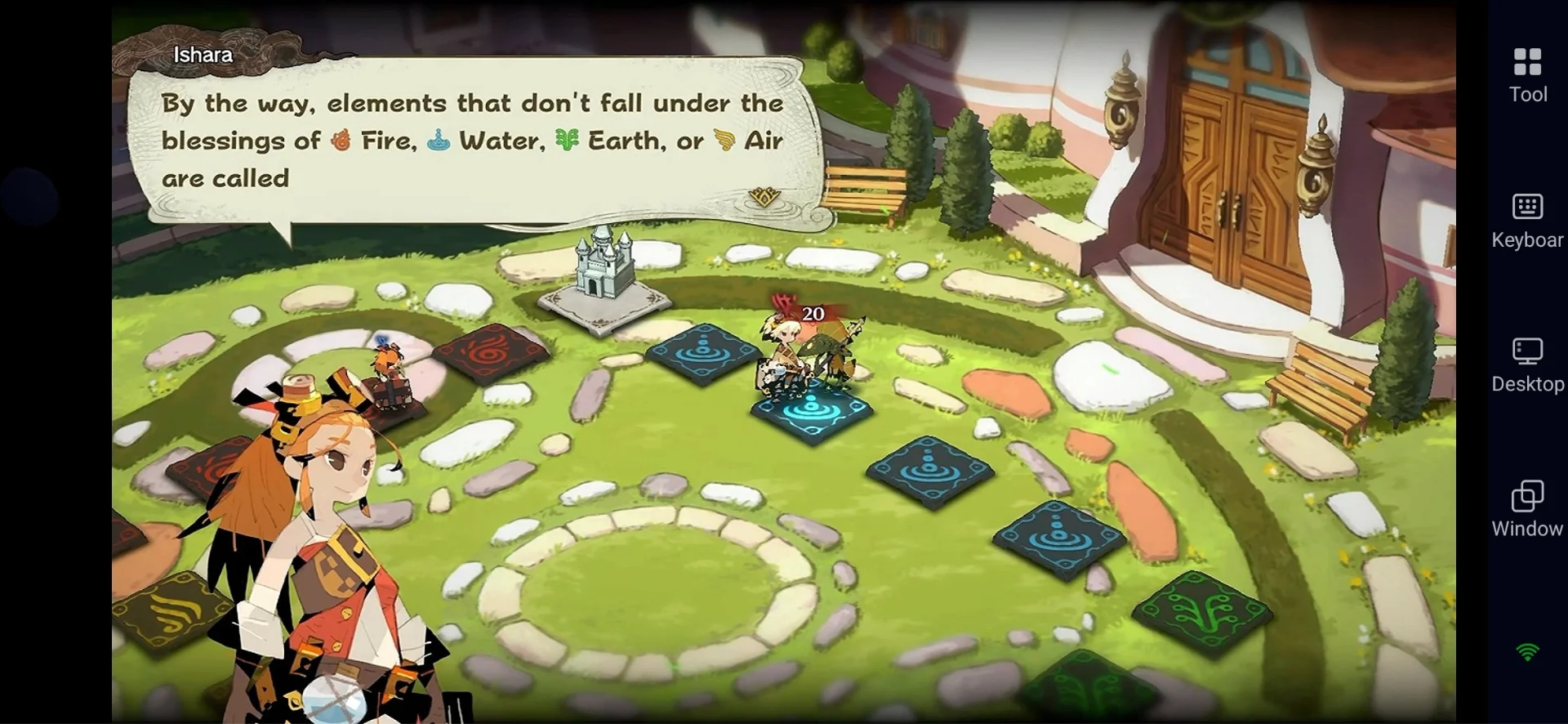
Creature Cards in Culdcept BEGINS have five elemental types: Fire, Water, Earth, Air, and Neutral. Each element has unique creatures, abilities, and strengths, along with its own weaknesses. Understanding these differences will help you choose the right creatures and build a deck that suits your attacking and defensive strategies.
|
Element |
Role |
Strengths |
Weaknesses |
|
Fire |
Aggression & invasion |
High damage, fast attacks, and strong invasions. |
Lower HP and difficulty dealing with strong defensive creatures. |
|
Water |
Control & attrition |
High HP, attack protection, and strong staying power. |
Slow land expansion and weaker aggression. Vulnerable to Fire tools that ignore or penetrate its defenses |
|
Earth |
Fortress & Support |
Strong defense, regeneration, and support abilities. |
Slow attacks and vulnerability to Air's first-strike advantage and specific anti-Earth tools. |
|
Air |
Tempo & mobility |
Quick movement, first attacks, and easy land claiming. |
Low HP and weaker in long battles. |
|
Neutral |
Utility & flexibility. |
Can be placed on any land and fits different strategies. |
Usually lacks the matching-element HP bonus and contributes less to elemental chains. |
Elemental Advantage: Matching-element creatures gain +10 HP per land level when defending on their own element.
Deck Card Ratios for Different Playstyles
When building your 40-card Book, there is no fixed ratio for Creatures, Items, and Spells. You can adjust the card distribution to match your playstyle and strategy. Here are some recommended card ratios for different Culdcept BEGINS builds and playstyles.
|
Playstyle |
Card Distribution |
When to Use |
|
Balanced Dual-Element |
Creatures: 22 Items: 6-7 Spells: 11-12 |
When you want a mix of offense, defense, and strategy. |
|
Aggressive |
Creatures: 24 Items: 8 Spells: 8 |
When you prefer attacking enemies and capturing land quickly. |
|
Beginner-Friendly |
Creatures: 25 Items: 6-10 Spells: 4-8 |
When you're learning the game and need more creatures to claim and defend land. |
How to Build a Strong Deck in Culdcept BEGINS
If you wish to build an effective deck in Culdcept BEGINS, then you must concentrate on making a deck which consists of appropriate amounts of Creatures, Items, and Spells for capturing land, defending territories, and beating your opponents. Here are the best tips to build a Book that matches your playstyle.
Choose your main win condition:
First, decide how you want to win:
-
Defend valuable territories and win using heavy tolls (Defense and Grind).
-
Attack enemy territory and continuously exert pressure (Offense and Invade).
-
Capture territory quickly, disrupt opponents, and gain the upper hand through movement or spells (Tempo and Control).
Maintain a Balanced Card Distribution:
You may begin with an easy beginner-friendly combination of 25 creatures, 8 items, and 7 spells. You can adjust the card ratios based on your playstyle and the requirements of your Creatures.
Focus on One or Two Elements:
Avoid using too many elements in one Book. Creatures get an HP bonus when defending on land that matches their element, while same-element chains increase land value and tolls. Good element combinations include:

-
Mono-element + Neutral: Simple and beginner-friendly.
-
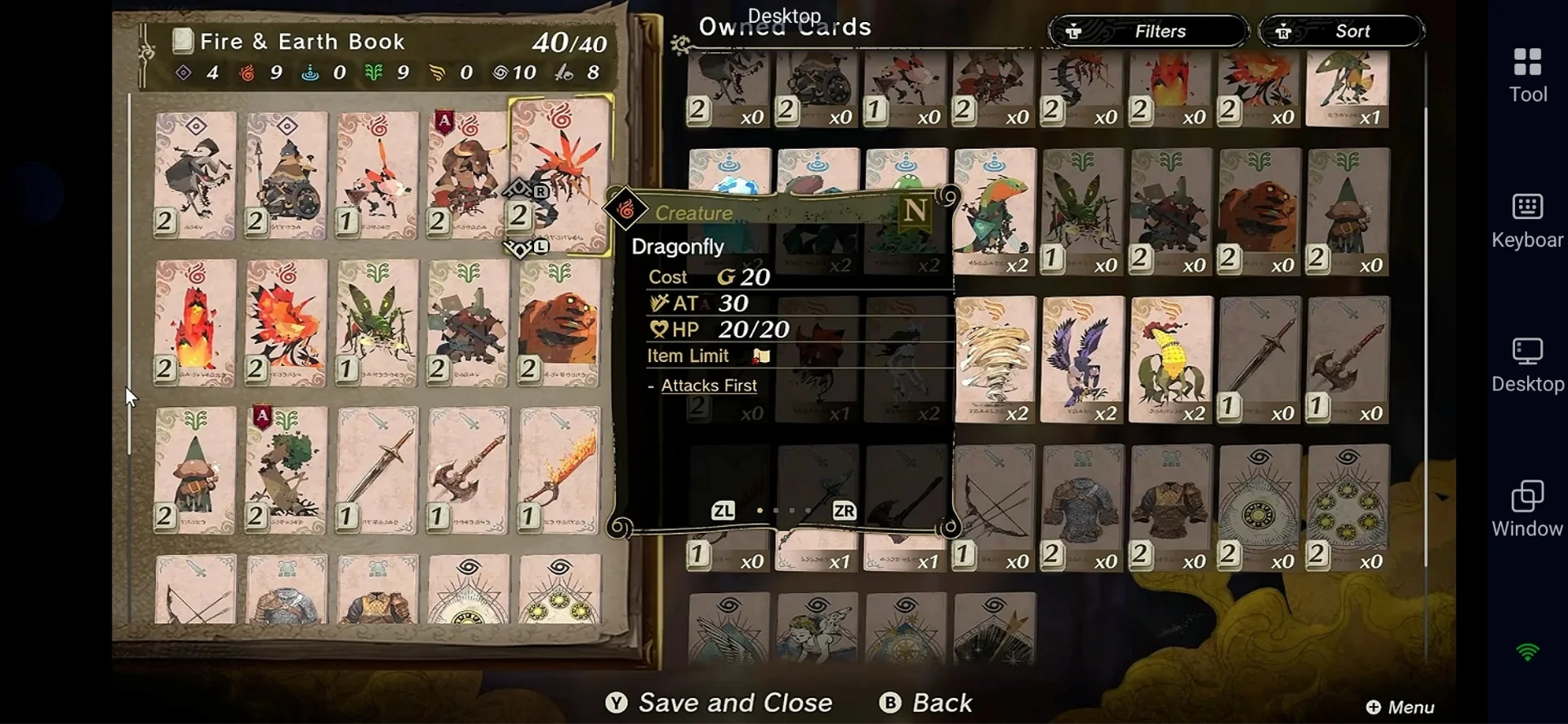
Fire + Earth: Balances attacking and defending.
-
Water + Earth: Strong defense for holding land.
-
Water + Air: Helps you claim land quickly and protect it.
Give Every Creature a Job:
Do not select Creatures simply because of their higher stats. Assign each Creature a specific role in your Book:
-
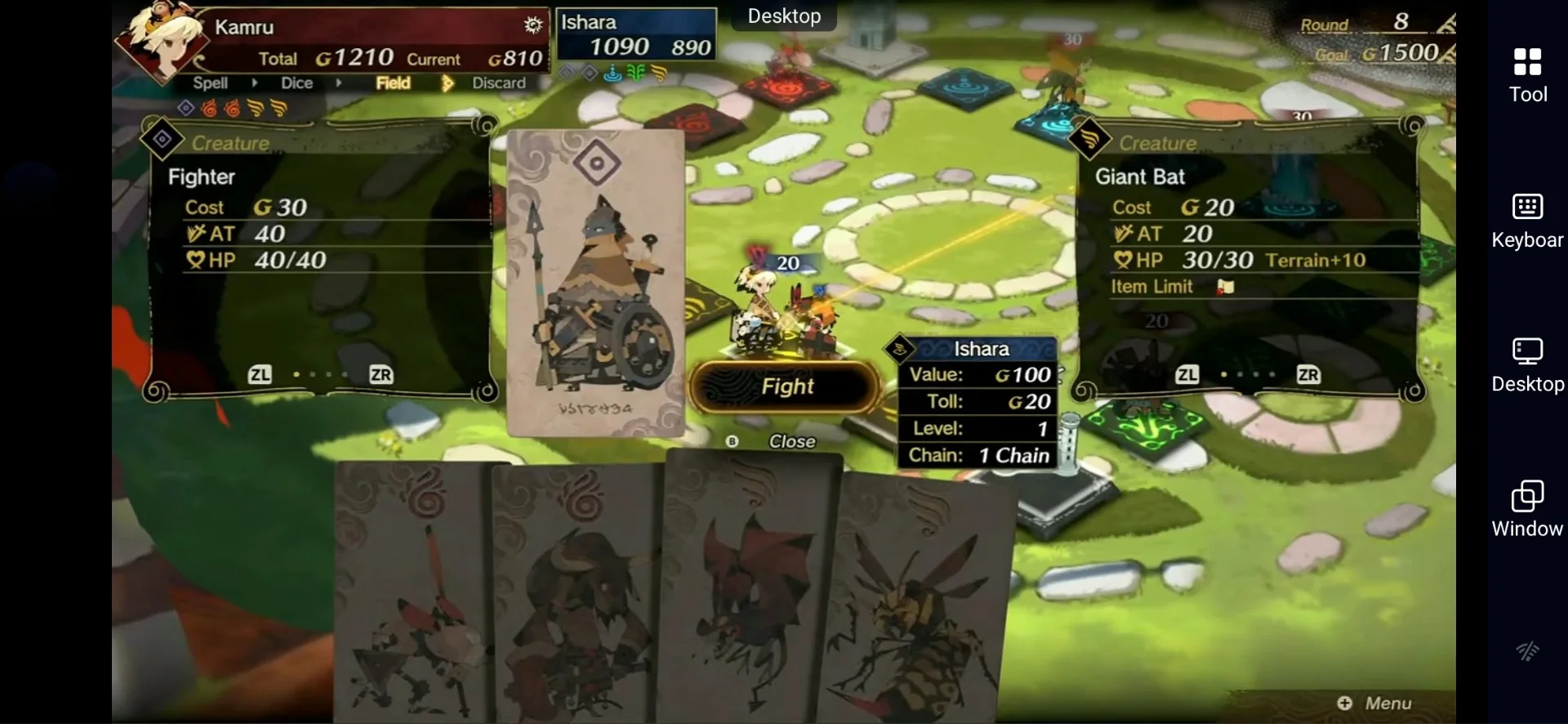
Early Land Takers - Select low-cost Creatures such as Dragonfly, Giant Bat, or Goblin for claiming empty land in the first couple of turns.
-
Walls / Tanks - Pick high HP or regeneration creatures for protecting important territories.
-
Invaders / Raiders - Utilize Creatures capable of taking enemy lands.
-
Utility - Select creatures who would assist you, resist Spells, increase movement speed, enhance your economy, or become stronger over time.
-
Finishers - Save expensive, powerful creatures for your most valuable territories.
Claim Land Early:
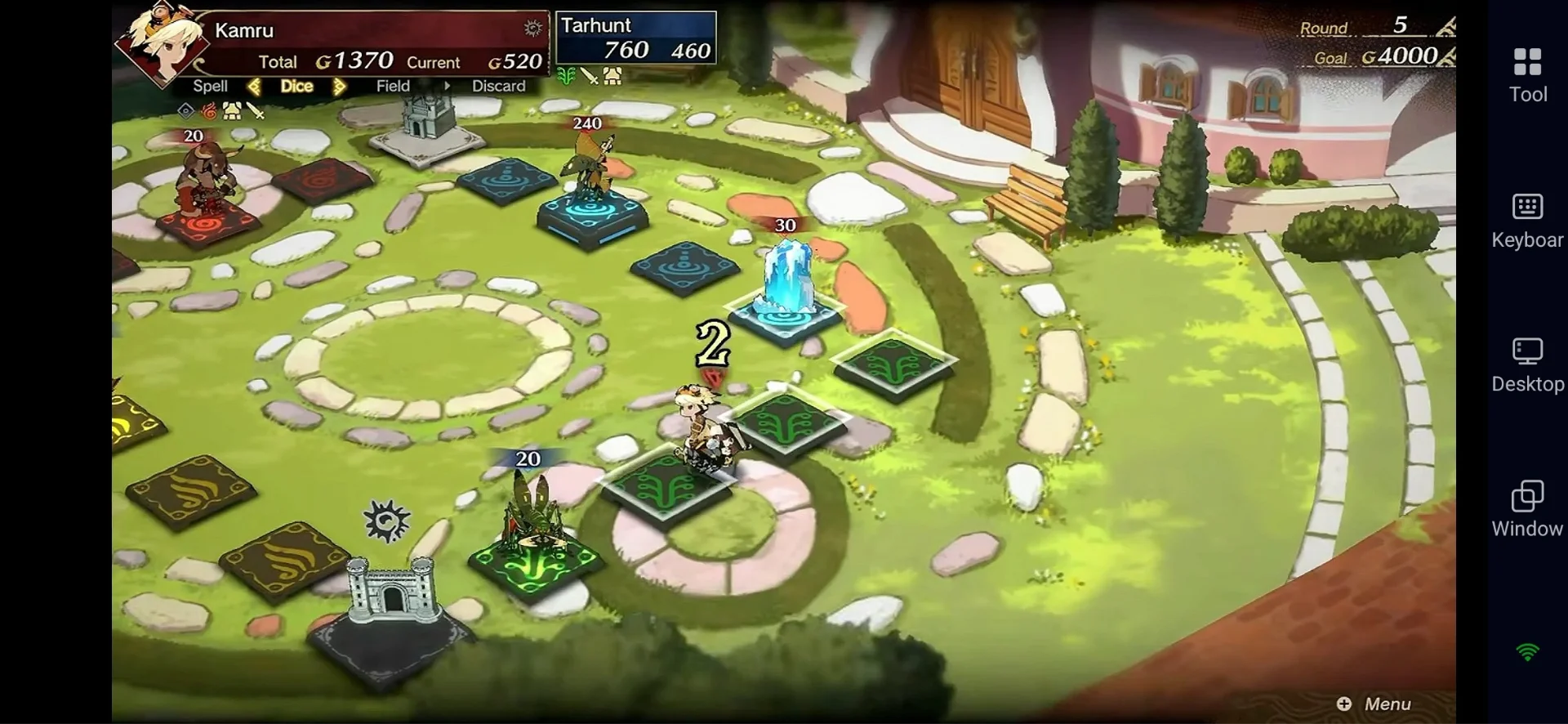
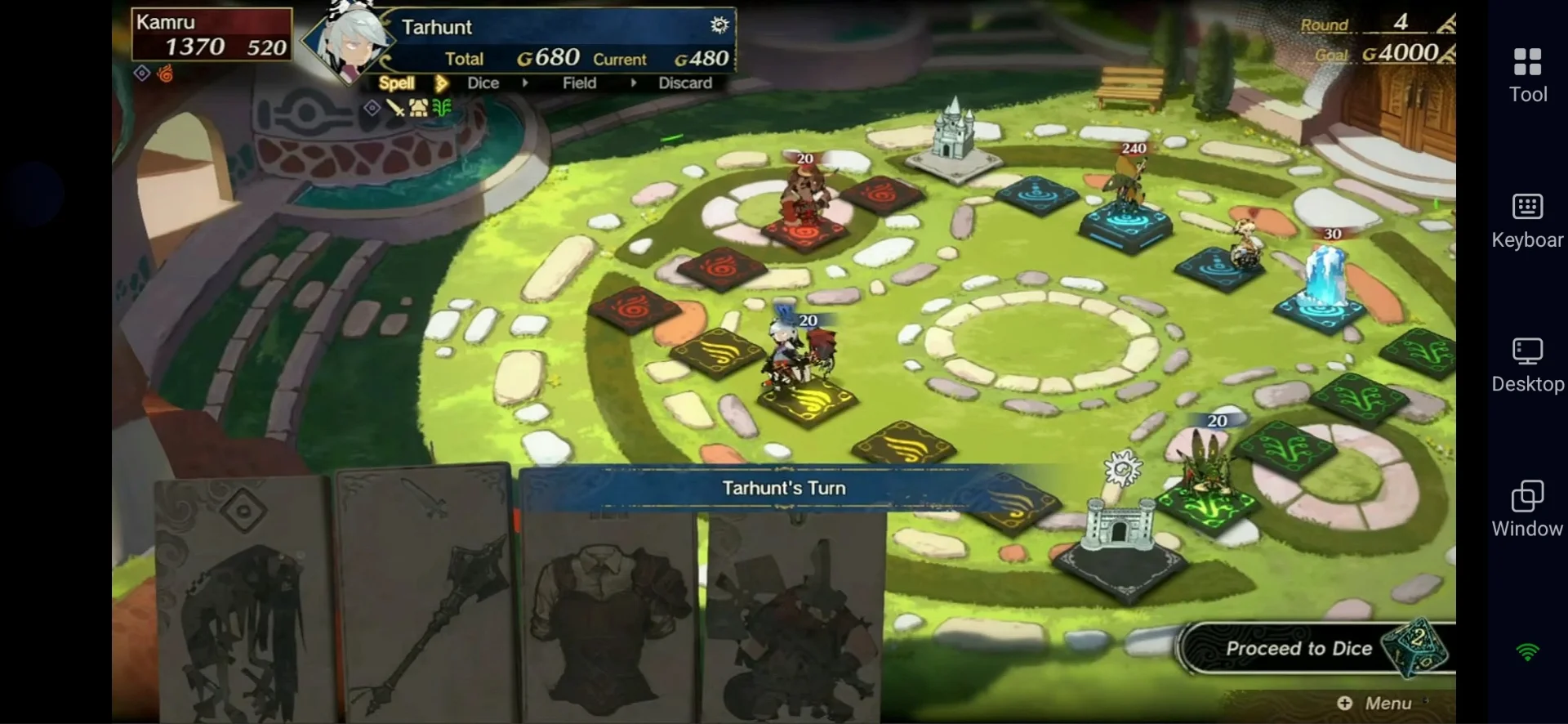
Use affordable creatures to capture open land during the first few turns. Build same-element chains as quickly as possible and upgrade the most valuable territories to increase your income and tolls.
Match Creatures With Suitable Items:
Check each Creature’s equipment restrictions before adding Items. Choose Weapons, Armour, and utility tools that complement your Creatures’ strengths. Prefer efficient, low-cost, or reusable items so using them does not permanently weaken your hand.
Prepare for Enemy Strategies:
Include flexible cards that protect your creatures, remove enemy Items, counter dangerous abilities, or help you move around the map.


 Pre-set Keymaps for Easy Play


Best Mono-Element Culdcept BEGINS Builds
As a beginner, the best approach is to use a mono-element deck with Neutral cards. This is simpler, more consistent, and easier to learn. Below are some of the best Culdcept BEGINS builds, featuring recommended cards for each element.
Fire Aggression Build
This build prioritizes strong attackers that can capture territories and challenge enemy creatures. It is suitable for direct battles over passive defense.

-
Core Creatures: Dragonfly, Phoenix, Executor, Flame Acolyte, Mattocktail, Fire Beak, Dragon, King Varan, Salamander
-
Key Neutrals: Goblin, Golden Totem, Bandit, Tyrannosaurus
-
Key Items: Long Sword, Battle Axe, Sword of the Falcon, Boomerang, Gremlin Amulet
-
Key Spells: Manna, Find, Greed, Vitality, Holy Word 3, Fly / Word of Recall, Fire Shift
-
Playstyle: Use cheap creatures to claim land early and attack enemies. Expand your territories quickly to earn more magic and reach the win goal faster.
Water Control and Fast Territory Growth
This build focuses on placing difficult-to-defeat Creatures on valuable Water territories and increasing their levels while moving efficiently around the map.

-
Core Creatures: Wall of Ice, Gelatinous Wall, Undine, Fate, Giant Amoeba, Giant Nautilus, Aqua Goetia, Leviathan, Hydra
-
Key Neutrals: Goblin, Statue, Golden Totem, Beacon Tower, Wonder Wall
-
Key Items: Chain Mail, Plate Mail, Boomerang, Phoenix Amulet, Gremlin Amulet
-
Key Spells: Manna, Find, Greed, Barrier, Water Shift, Fly / Haste, Foresight
-
Playstyle: Claim valuable Water land and protect it with strong creatures. Build chains, earn tolls, and use mobility spells to reach the castle when you meet the magic goal.
Earth Defense and Territory Control
This build is designed for establishing safe territories and earning value from defending them rather than constantly invading opponents.
-
Core Creatures: Wall of Stone, Green Mold, Blynx, Gnome, Coati, T’ao T’ieh, Vampire, Terra Goetia, Great Tusker
-
Key Neutrals: Goblin, Statue, Golden Totem, Beacon Tower, Tyrannosaurus
-
Key Items: Chain Mail, Plate Mail, Sword of the Falcon, Boomerang, Gremlin Amulet
-
Key Spells: Manna, Find, Greed, Vitality, Barrier, Earth Shift, Holy Word series
-
Playstyle: Claim land early and build strong chains. Use regenerating creatures and support abilities to defend key territories while increasing your toll income.
Air Movement and Spell Control
This approach emphasizes movement and spell timing, helping you navigate the board, reach important locations, and interfere with opponents' plans.
-
Core Creatures: Giant Bat, Pegasus, Harpy, Roadrunner, Nike, Death Worm, Wyvern, Aero Goetia, Knight
-
Key Neutrals: Goblin, Golden Totem, Bandit, Statue
-
Key Items: Long Sword, Sword of the Falcon, Boomerang, Tonfa, Gremlin Amulet
-
Key Spells: Manna, Find, Fly, Haste, Word of Recall, Air Shift, Weakness
-
Playstyle: Use fast creatures and movement spells to claim open land quickly. Disrupt enemies and attack before they can strengthen their defenses.
Best Element Combination Decks in Culdcept BEGINS
Choosing the right element pairing is one of the most important decisions when building a strong Book. Two elements that work well together can cover each other’s weaknesses and usually outperform both pure mono and scattered multi-color decks. Below are some of the best elemental combinations you can use in Culdcept BEGINS:
|
Element Pairing |
Playstyle |
Deck Details |
|
Fire + Earth |
Best All-Rounder |
Fire is great for attacking and taking enemy land, while Earth provides strong defenders to protect it. This combination offers a good balance of offense and defense. |
|
Water + Air |
Control and Speed |
Air helps you claim land quickly, while water protects important territories with high-HP creatures. This combination is ideal for players who want to expand early and defend their land. |
|
Water + Earth |
Strong Defense |
This combination focuses on powerful defenses, regeneration, and holding land for longer. It is difficult to defeat and it takes longer to win through aggressive plays. |
|
Fire + Air |
Fast and Aggressive |
Both elements focus on quick attacks and capturing land before opponents can build strong defenses. However, your creatures may struggle in longer battles. |
Combinations to Avoid as Main Pairings: Fire + Water and Earth + Air are not recommended as primary elemental pairings, because their land requirements may prevent some creatures from being played. Therefore, these combinations are not recommended for your gameplay.
Conclusion
With the best Culdcept BEGINS build recommendations from our guide, you can create a powerful Book, claim valuable territories, defend your land, and outsmart rivals with smart card combinations. And if you want more flexibility to test different card strategies and builds while away from your PC, try OSLink to play Culdcept BEGINS remotely on your mobile device and keep your deck-building adventure alive wherever you go!
 Download