English
 Ragnarok Origin Classic stays true to the classic RO experience while streamlining progression systems and adding more player-friendly rewards compared to Ragnarok Origin. Whether you’re a returning veteran or completely new to the series, understanding the right progression path will help you level up faster and enjoy the game without unnecessary grind.
In this guide, we’ll cover everything from Job recommendations and progression systems to spending tips, so you can avoid early mistakes and build your character efficiently from the start.
Table of Contents
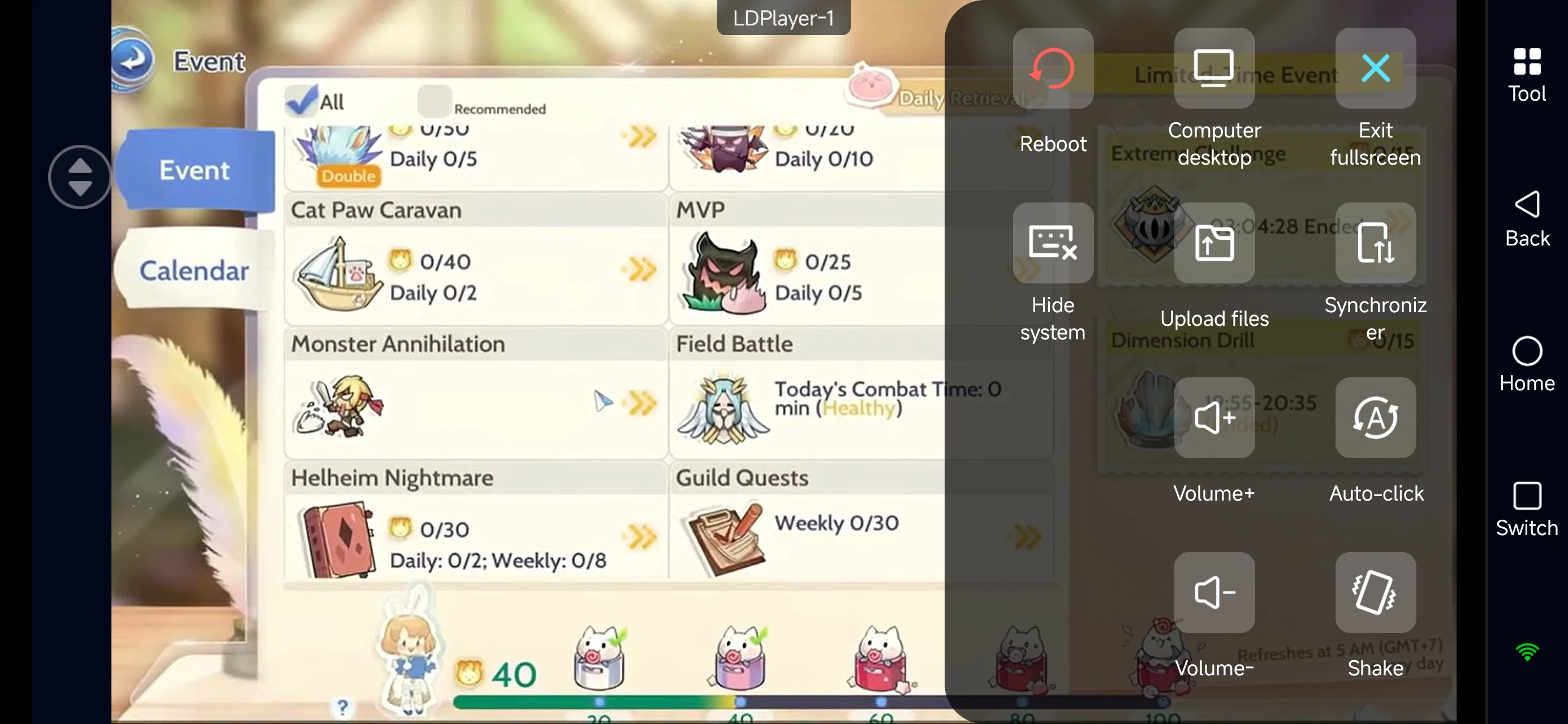
Since the game heavily leans into long-term progression and AFK farming, optimizing your time is key. Tools like OSLink allow remote control and multi-instance gameplay, letting you farm resources, level multiple characters, and run dungeons more efficiently—all from a single device.
Job Overview
|
Class |
Progression |
|
Swordsman |
Knight → Lord Knight Crusader → Paladin |
|
Mage |
Sage → Professor Wizard → High Wizard |
|
Archer |
Hunter → Sniper Bard → Minstrel Dancer → Gypsy |
|
Thief |
Rogue → Stalker Assassin → Assassin Cross |
|
Merchant |
Alchemist → Biochemist Blacksmith → Mastersmith |
|
Acolyte |
Priest → High Priest Monk → Champion |
|
Apprentice |
To-Be Summoner → Summoner |

Best Jobs for Beginners
For new players, Archer and Mage are the most beginner-friendly choices. They offer:
- Long-range attacks
- Strong AoE damage
- Safer farming environments
If you prefer team play, consider Acolyte or Merchant, as they provide strong utility and support in party content.
Since the game features free job switching via items from the shop, don't worry about your starting job choice. You can freely switch later based on your playstyle.
Building System
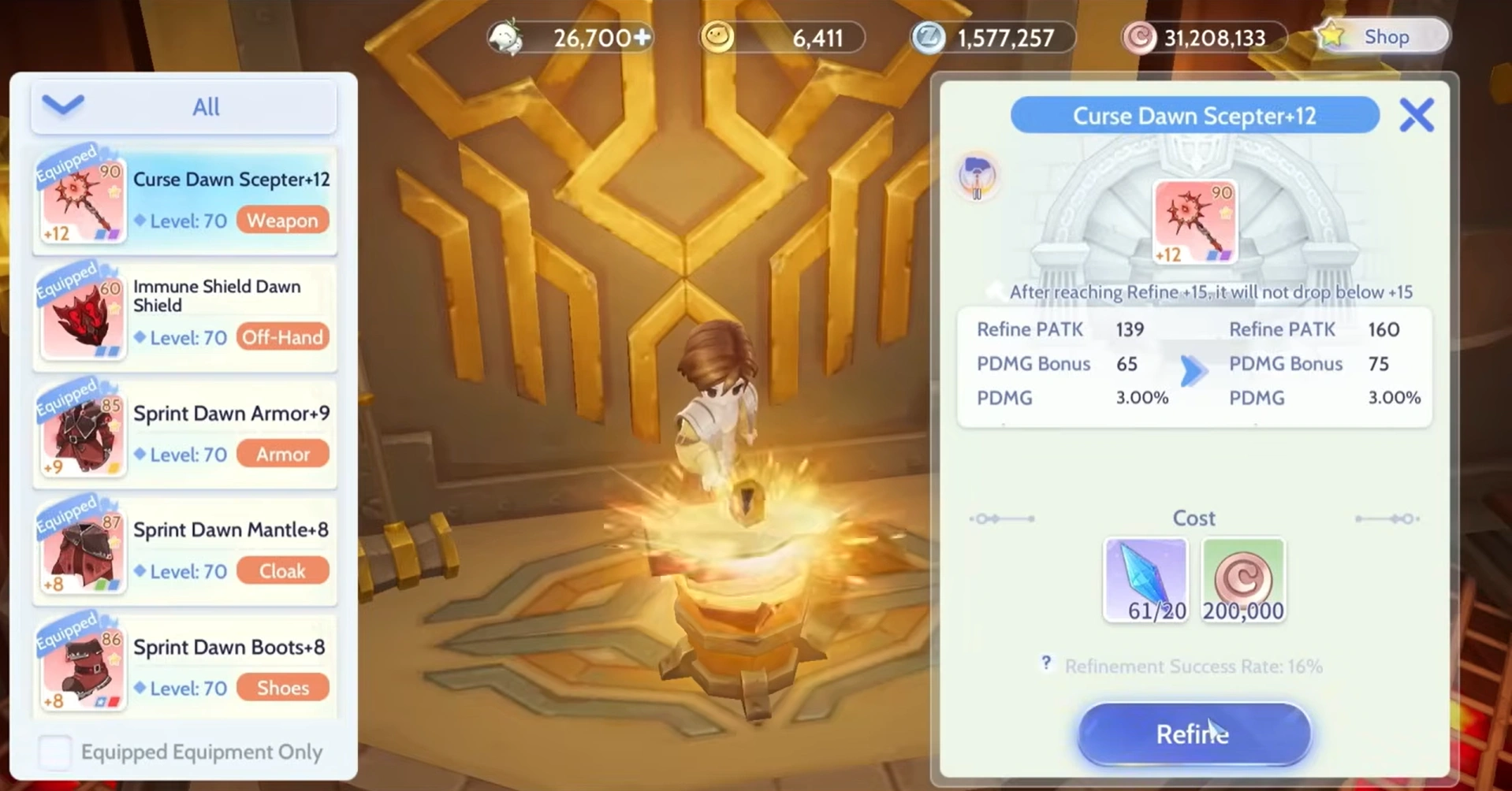
Equipment Refine
Refining is one of the most important ways to increase your power, but it comes with a risk of failure and downgrade.
Recommended refine path:
- Weapon + 6 → Accessories + 6
- Full set + 6
- Weapon + 10 → Accessories + 10
- Gradually push Weapon to + 15
This gives the most efficient power gain.
Feather
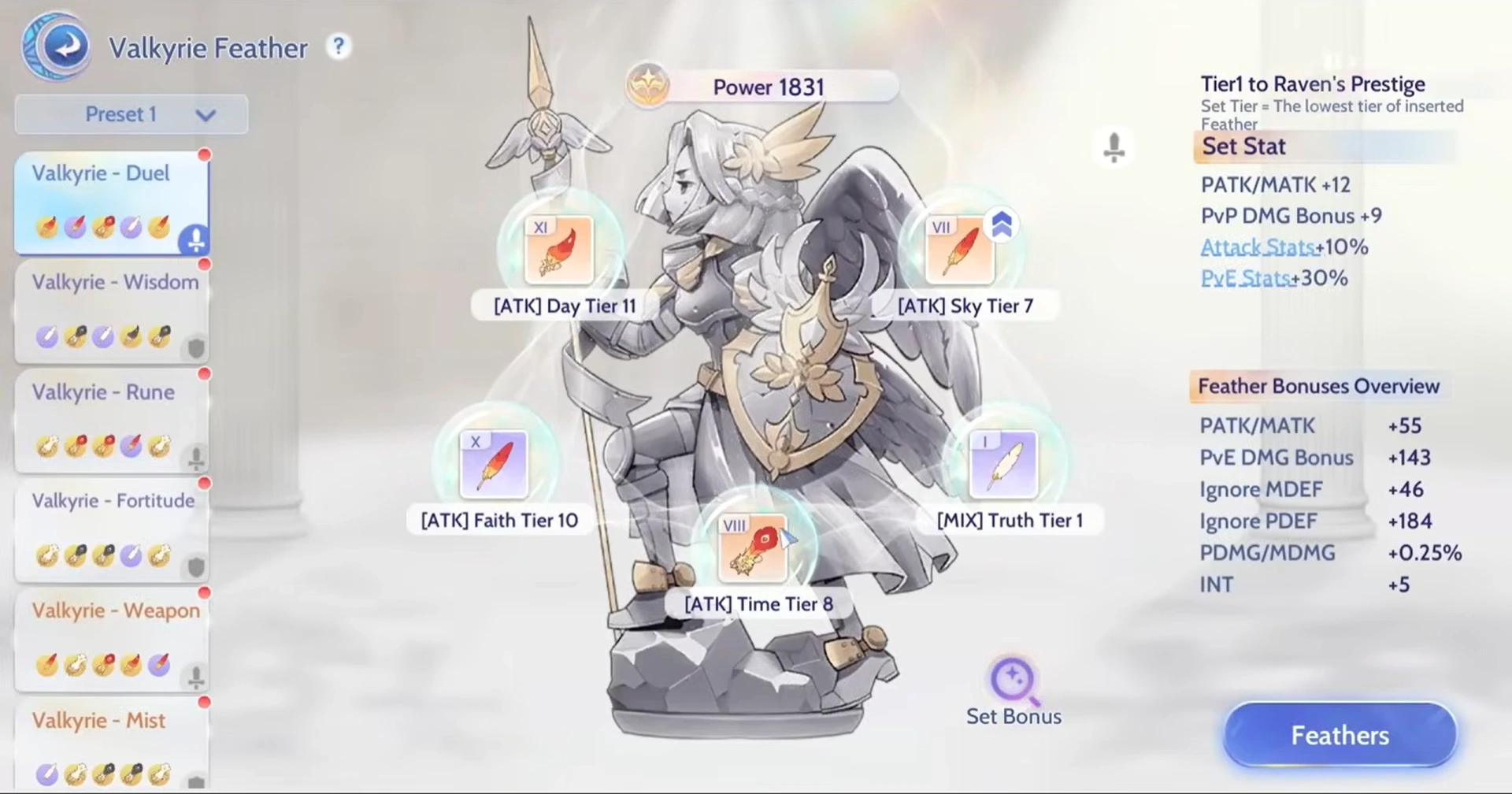
Feather is a core progression system that provides stats like:
- Attack / Defense
- Damage Boost / Damage Reduction
Each character can equip up to 5 feathers, and set effects are determined by the lowest rarity feather equipped.
Tips:
- Focus on filling all slots early rather than upgrading
- Don’t invest heavily in low-tier feathers early on
- DPS builds prioritize damage sets, while tanks prioritize mitigation
Pets
Pet progression is simplified compared to RO Origin. You only need to upgrade:
- Level
- Tier
Pets provide strong combat support and significantly improve farming efficiency, especially in early to mid-game.
How to get pets:
- Pet Shop (using fragments purchased with currency earned from Pet MVP dungeons)
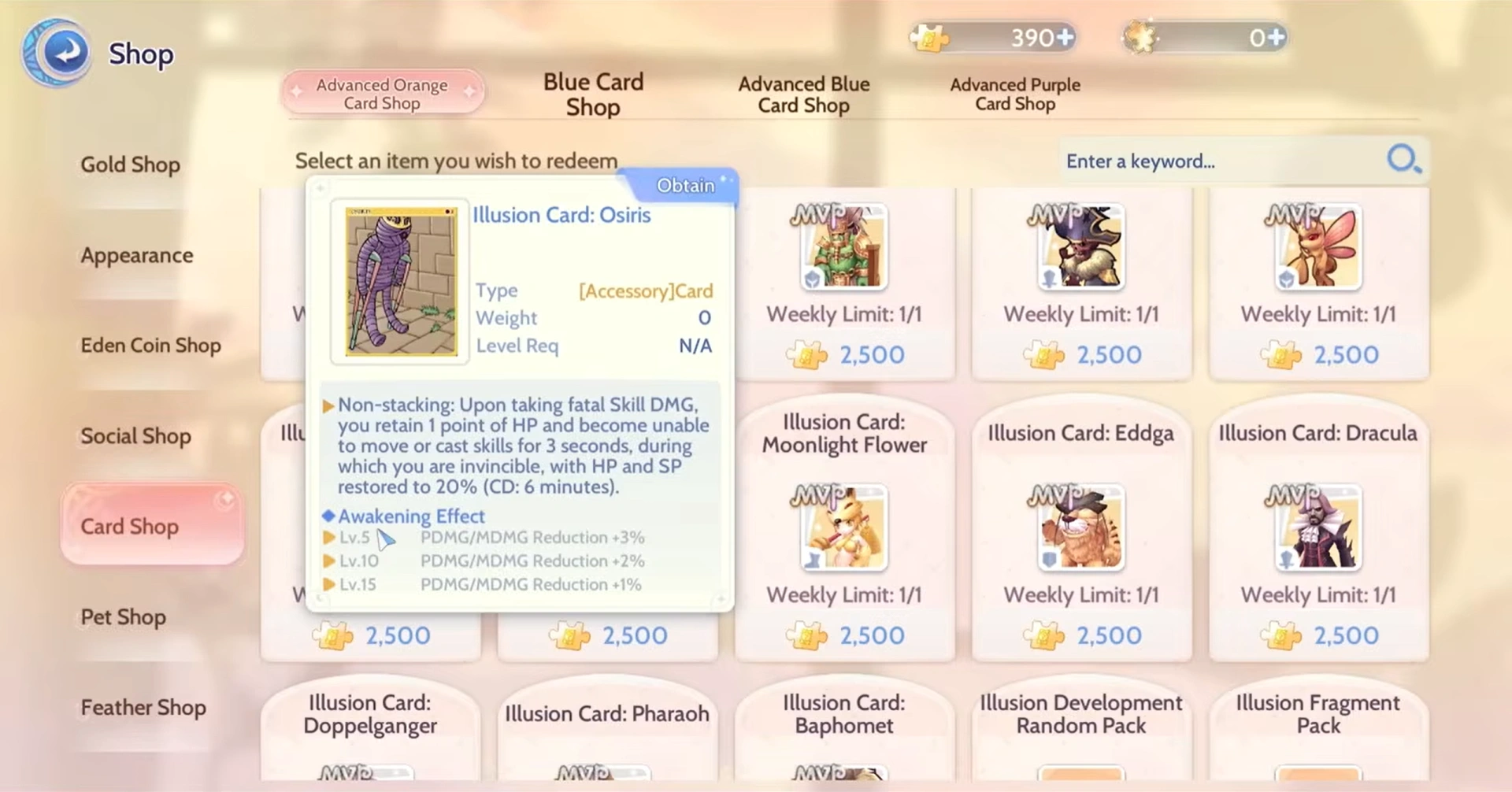
Cards
Cards provide stat boosts and sometimes unlock additional skills.
Main sources:
- Monster Annihilation
- Shop exchange
Focus on damage-boosting and utility cards first to speed up farming and progression.
Early Game Tips
1. Use the Handbook
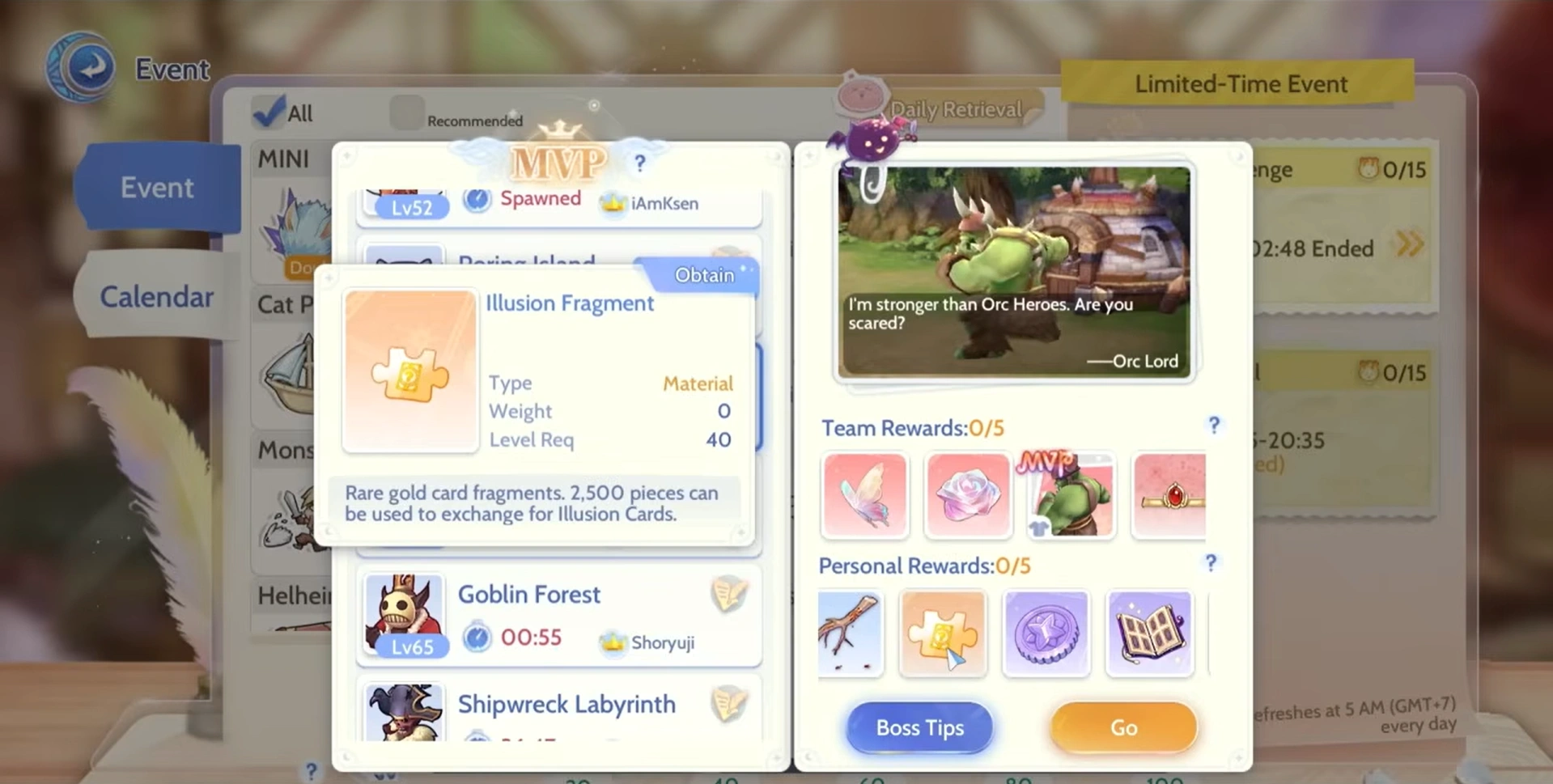
The Handbook is one of the most useful tools for progression. You can check what materials are required for upgrading your equipment, where to obtain them, and which monsters drop them. It also shows monster locations and the EXP they provide, helping you choose the most efficient farming spots at your current level.
2. Prioritize Main Quests
Focus on progressing through the main storyline in the early game. At certain points, you’ll be level-gated and unable to continue. When that happens, switch to side quests or grind monsters to gain EXP. You can use the Handbook to quickly identify what materials or monsters you should be targeting to optimize your time.
3. Avoid Elite Monsters Early
Monsters with a claw icon above their heads are Elite monsters. They have significantly higher HP and can be difficult to defeat in the early stages. It’s not recommended to challenge them solo early on—either team up with other players or focus on regular monsters for more efficient farming.


 Pre-set Keymaps for Easy Play

Shop Priorities
Gold Shop: Feather selection boxes first, then refine materials
Social Shop: Feathers → Gold → Blue Star Coin
Card Shop: Prioritize Tanuki Card, then fill gaps
Pet Shop: Focus on Epic and Legendary pet fragments

Spending Guide
Overall, Ragnarok Origin Classic is quite free-to-play friendly. Most core resources can be obtained through daily activities and dungeons, and even Gold can substitute some premium currency.
If you’re considering light spending, the best option is the Monthly Pass. A unique feature in this version is that Monthly Passes can also be purchased using in-game Gold, making them accessible even for F2P players.
Extra purchases mainly accelerate progression rather than locking content.
For mid to high spenders, prioritize:
- Refine
- Pets
- Event Pass
- Resource packs
Refine is especially important since many gear effects unlock at higher refine levels (+10, +15, etc.).
Strong pets also provide massive value in early and mid-game farming.

Conclusion
Overall, Ragnarok Origin Classic successfully preserves the charm of classic RO while making progression smoother and more accessible. With the right job choice and upgrade priorities, even F2P players can progress steadily and enjoy all core content.
If you want to push efficiency even further, using tools like OSLink for multi-instance AFK farming and remote control can make a huge difference—especially in the mid to late game where resource grinding becomes more demanding.
 Download