English
Light and Night revolves around building powerful Spiritual Resonance cards while deepening your relationships with the game's five love interests. Whether you're progressing through story chapters, clearing Inspiration Stages, collecting limited cards, or unlocking character-specific content, understanding which cards to build and how to upgrade them is essential for long-term progression.

In this Light and Night Card Guide, we'll cover the best cards, team compositions, upgrade priorities, and progression tips to help you build stronger decks and get more value from your resources. Since many players enjoy following different romance routes and collecting cards for multiple love interests, separate accounts are often used to focus on different characters and story paths. With OSLink's Multi-Instance Manager, you can play multiple Light and Night accounts simultaneously, making it easier to experience different routes, build separate collections, and explore more of the game's content without constantly restarting your journey.
Understanding Spiritual Resonance Cards: The Foundation of Your Journey
Spiritual Resonance cards represent the five male leads: Lu Chen, Qi Sili, Xiao Yi, Zha Lisu, and Xia Mingxing, each bringing unique emotional attributes like Joy (red), Trust (blue), Sincerity (gray), Decisiveness (brown), Fearlessness (purple), and Focus (green). These attributes determine battle effectiveness, with same-color bonuses providing additional damage, while card stars (up to 6*), quality tiers, levels, and engravings determine their true power.

Combat in Light and Night requires deploying a team of five cards, making balance crucial for clearing story stages, events, and challenging content. Higher-star cards dominate due to superior base stats and unlockable skills, but smart upgrades and synergies can elevate even mid-tier pulls into reliable powerhouses.
Light and Night Best Cards: Top Tier Picks You Need
Prioritizing 6-star cards forms the cornerstone of any strong lineup, as they offer the highest combat potential and exclusive Light and Shadow unlocks for stunning new artwork plus massive stat boosts. Among the standouts:
-
Lu Chen cards like Within Reach or Scorched Edge excel in aggressive, high-damage roles with Fearlessness or Decisiveness attributes, perfect for burst-focused teams.

-
Xiao Yi's Sinful Love or Phantom Lights shine in supportive or control-oriented builds, benefitting through his elegant, illusion-themed mechanics.

-
Qi Sili's Undercurrents or other high-star variants bring versatile utility and regeneration talents that sustain teams through prolonged fights.

-
Xia Mingxing and Zha Lisu cards, such as Intoxicated Heartbeat or Butterfly Effect, offer strong synergy and versatile team utility with excellent synergy in balanced or themed decks.

For Light and Night best cards to build early on, target any 5-6* pulls from these leads, especially duplicates for quality enhancements. Limited event cards often carry powerful exclusive engravings that make them meta-defining. Always favor Crit-focused or damage-boosting cards for faster clears.
Light and Night Card Build Guide: Crafting Your Perfect Deck
Building effective cards in Light and Night goes beyond summoning as it's about intentional investment. Focus first on best card combinations that match stage requirements or exploit attribute bonuses. A strong core might pair high-damage Lu Chen with supportive Xiao Yi and Qi Sili for healing/sustain, then fill with Xia Mingxing or Zha Lisu for coverage.

The following F2P team setups emphasize accessible and upgradeable cards:
-
Early-game: Mix starter 4-5* cards across attributes for balanced coverage, prioritizing same-color synergies.
-
Mid-to-late: Aim for 2-3 six-star leads (e.g., Lu Chen + Qi Sili core) backed by strong 5-stars. This handles most story and event content without heavy spending.
Experiment with team compositions in lower-stakes modes to find what clicks with your playstyle, perhaps a full Fearlessness burst team for speed or a mixed-attribute defensive lineup for tougher bosses.
Light and Night Card Upgrade: Step-by-Step Mastery
Upgrading transforms good cards into powerful assets through several interconnected systems:
-
Start with Level Enhancement using experience items like Beginner's Heart, Admiring Heart, or Loving Heart. Break through every 20 levels with materials and Aurora Coins to raise caps.
-
Quality Enhancement uses duplicate tokens to boost all stats—always prioritize duplicates of your strongest cards.
-
For Star Rating Enhancement, only 4* and 5* cards can ascend: Moonlight Time for 4→5*, Galaxy Shards for 5→6*. This is resource-heavy, so save for your favorites.
-
Unlock Engravings at key quality/star thresholds for skill upgrades, then activate Light and Shadow on eligible 5-6 star cards for visuals and bonuses. Weave these upgrades naturally into your progression but don't spread resources too thin, or you'll stall on key content.


 AFK Anywhere, Progress Anytime

Pro Tip: Farm resources in Night-side instances like Lightrise West Bank or Study Journey to keep your upgrades flowing without bottlenecks.
Advanced Strategies: Best Card Combinations and Long-Term Success
The most rewarding best card combinations in Light and Night blend raw power with narrative synergy. Pairing cards from the same lead can deepen their personal stories, while diverse attributes ensure battle flexibility. For F2P players, strategically rerolling for a strong starter 6-star card, with the help of tools like OSLink, can dramatically accelerate progression.
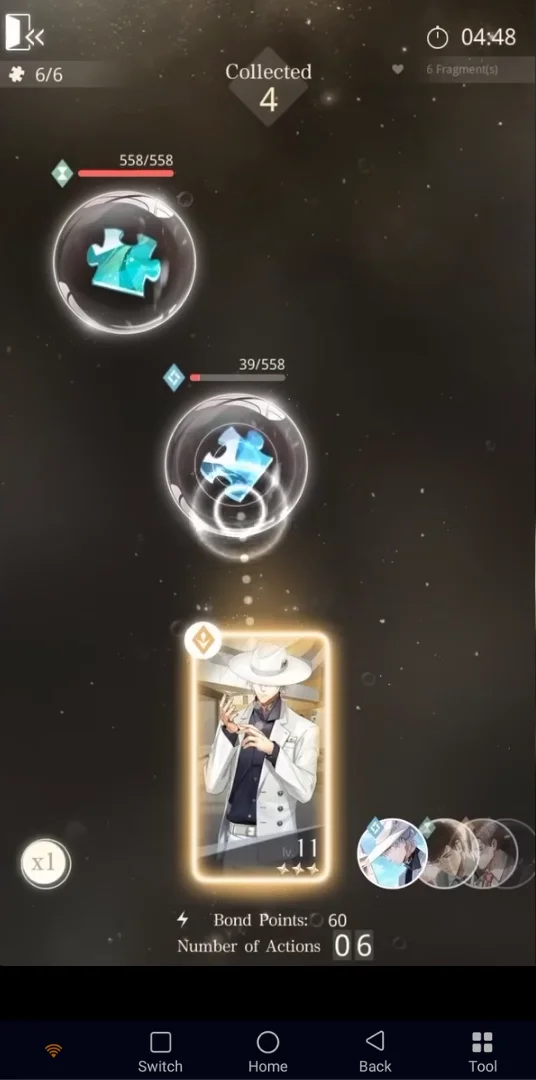
Monitor events for rate-up banners, as they offer the fastest path to limited powerhouses. Track your collection progress in the Spiritual Resonance interface to spot gaps, and always cross-reference stage enemy attributes for optimal setups.
Conclusion
And that wraps up our Light and Night Card Guide. By focusing on the right Spiritual Resonance cards, upgrading them efficiently, and building balanced team compositions, you'll be able to progress through story chapters, tackle events, and unlock more character content with ease. Whether you're collecting cards for your favorite love interest or exploring multiple romance routes, OSLink's Multi-Instance Manager can help multiple Light and Night accounts progress together, making it easier to experience more stories, endings, and character-specific content while keeping your collections organized.
 Download