English
Clive Barker's Hellraiser: Revival brings the disturbing world of the Hellraiser franchise into a first-person survival horror experience filled with brutal combat, unsettling environments, and mind-bending puzzles. Whether you're a longtime fan of the series or a newcomer looking for something different, the game combines resource management and weapon-based combat with terrifying chase sequences and the supernatural powers of the Genesis Configuration.

In this Clive Barker's Hellraiser: Revival review and beginner guide, we'll cover the story, gameplay, and overall value, along with practical early-game tips to help you survive encounters, conserve ammunition, solve puzzles, and navigate the twisted Labyrinth. If you want to continue experiencing Aiden's disturbing journey on the go, OSLink lets you remotely play Clive Barker's Hellraiser: Revival on mobile, giving you another way to explore the Labyrinth, face terrifying enemies, and continue your adventure beyond your usual gaming setup.
What Is Clive Barker's Hellraiser: Revival?
Clive Barker's Hellraiser: Revival is a first-person survival horror game that combines resource-limited combat, exploration, puzzles, and disturbing supernatural encounters. You play as Aiden, who searches for his girlfriend, Sunny, after their encounter with the Genesis Configuration, a mysterious puzzle box that draws them into the terrifying world of the Cenobites. The story unfolds through present-day events, flashbacks, and elements of unreliable narration, creating a standalone experience that newcomers can enjoy without watching the Hellraiser movies first.

Hellraiser: Revival Gameplay
Gameplay blends traditional survival horror with more action-focused combat. You must manage limited ammunition, deal with melee weapons that break after repeated use, search environments for supplies, and solve puzzles to progress. The Genesis Configuration adds variety through supernatural abilities such as telekinesis, pyrokinesis, and hell chains, allowing you to interact with the environment and approach certain encounters in different ways. However, combat can feel rough around the edges, and simplistic enemy AI and inconsistent stealth mechanics occasionally undermine the experience.
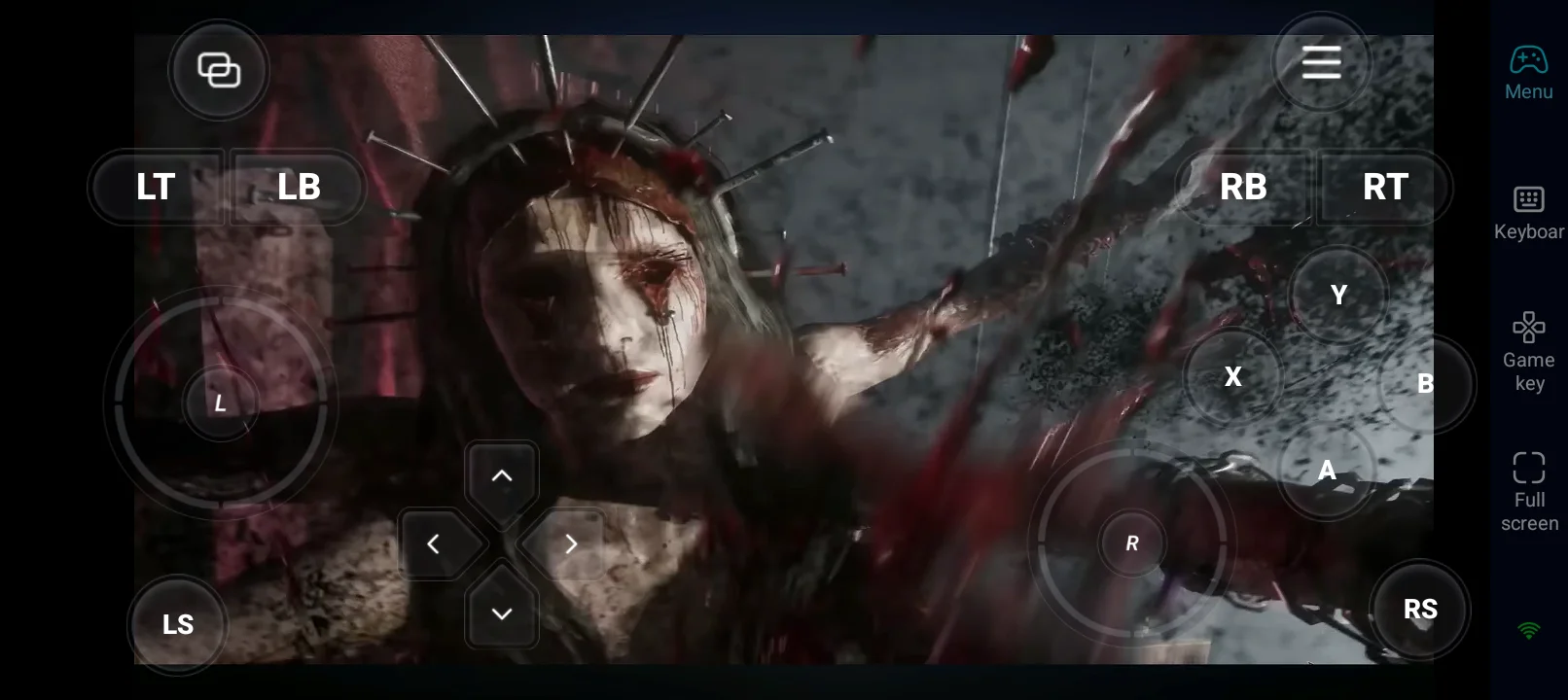
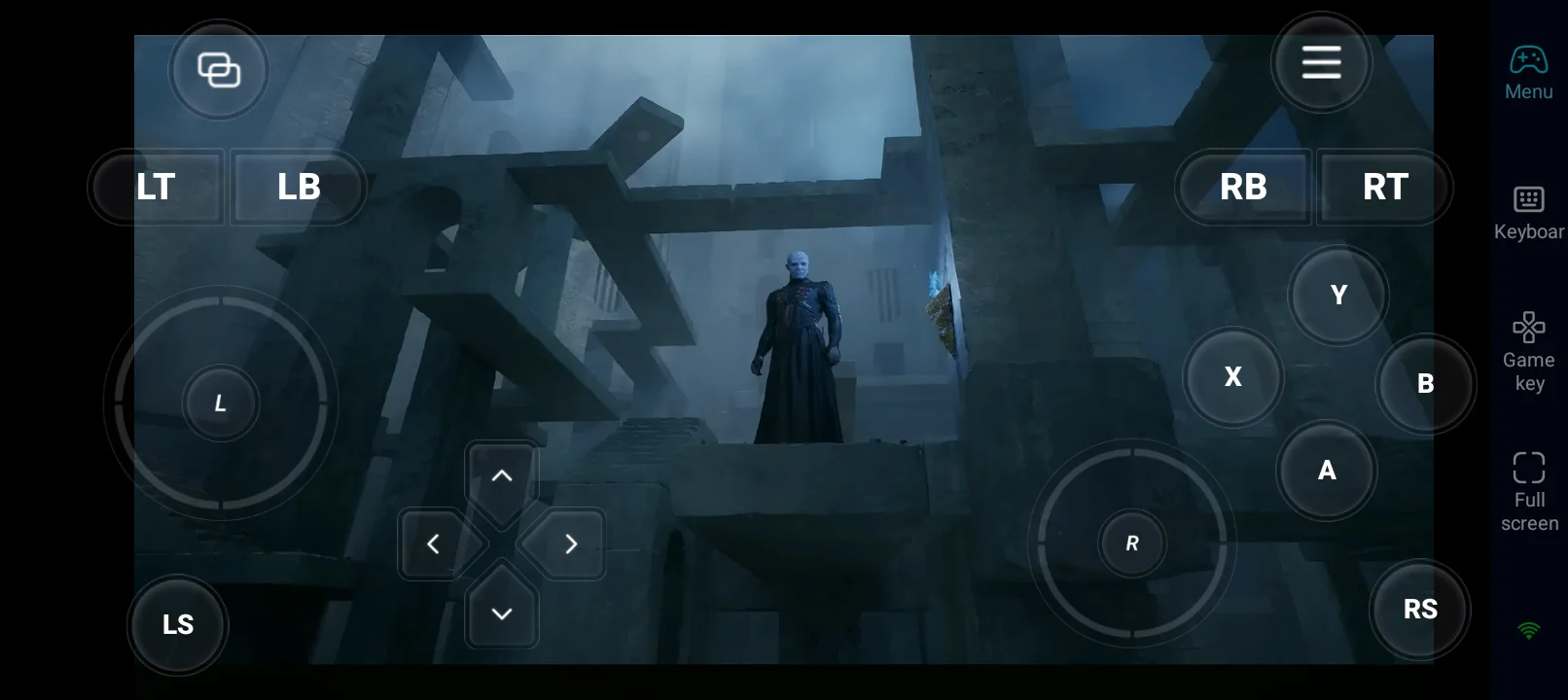
Enemies range from human cultists to grotesque creatures and the iconic Cenobites. While some encounters emphasize direct combat, others focus on pursuit and escape, particularly during sequences involving the Chatterer. These moments, alongside the game's shifting environments and surreal Labyrinth sequences, help distinguish it from more conventional survival horror games.
Atmosphere and Overall Experience
Atmosphere is one of the game's biggest strengths. Disturbing imagery, grotesque creature designs, unsettling lighting, and carefully timed sound effects create a consistently oppressive mood. The Labyrinth is especially memorable for its distorted architecture and unpredictable spaces, while the game's mature content, including graphic violence, nudity, and sexual themes, reinforces its identity as an extreme horror experience.
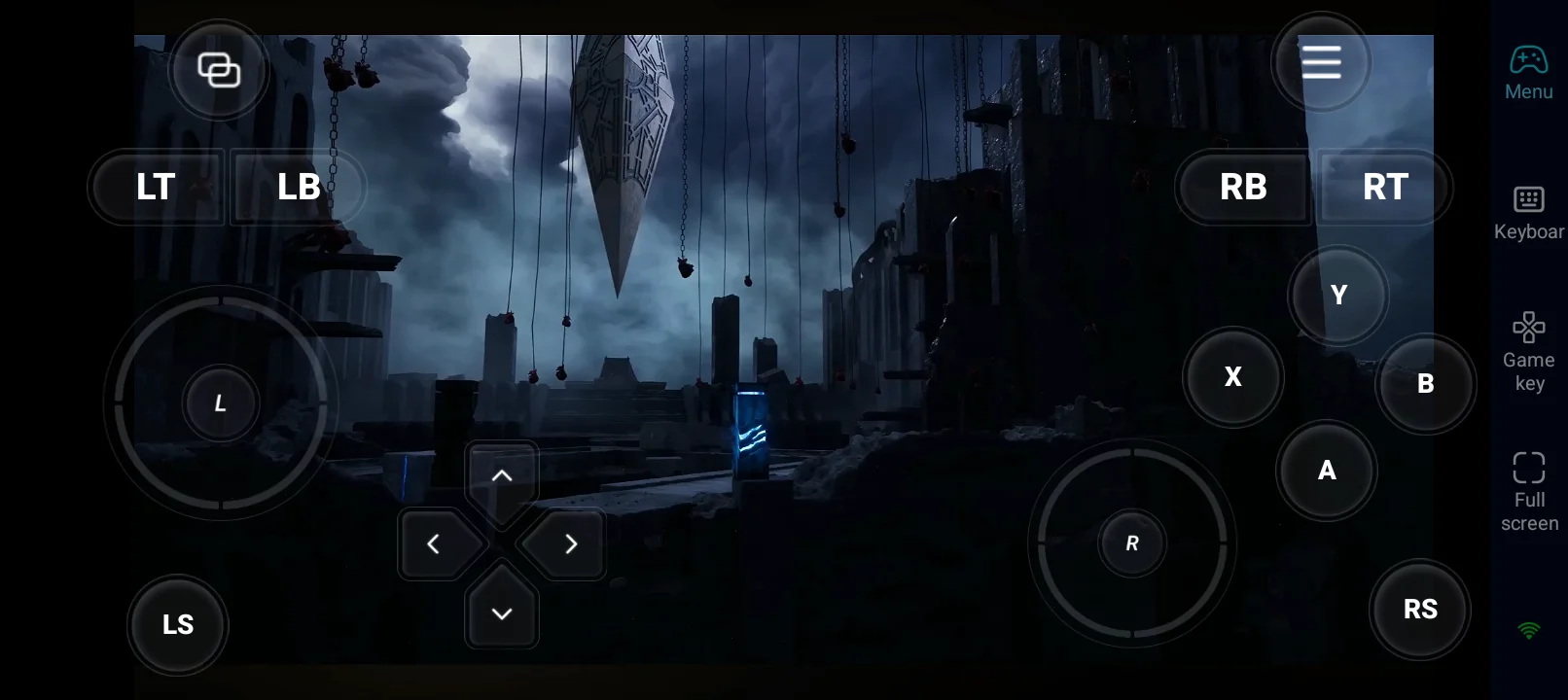
The main campaign takes approximately 10–13 hours, depending on your playstyle, exploration, and difficulty. The Standard Edition is listed at $39.99 on Steam, while the Deluxe Edition costs $49.99 and includes additional content such as weapon skins, a digital art book, and a soundtrack. Discounts may bring the prices down, so check your preferred store for the latest offer. Hellraiser: Revival is a relatively focused single-player experience that may appeal to fans of survival horror and the Hellraiser franchise, although its rough combat and graphic content may put some players off.
How to Play Clive Barker's Hellraiser: Revival
The gameplay in Hellraiser: Revival combines resource-focused survival horror with scripted sequences built around exploration, puzzles, and chases. Each style presents different challenges, requiring you to manage supplies in combat sections and pay closer attention to your surroundings when exploring the Labyrinth.
Resource-Focused Survival Horror
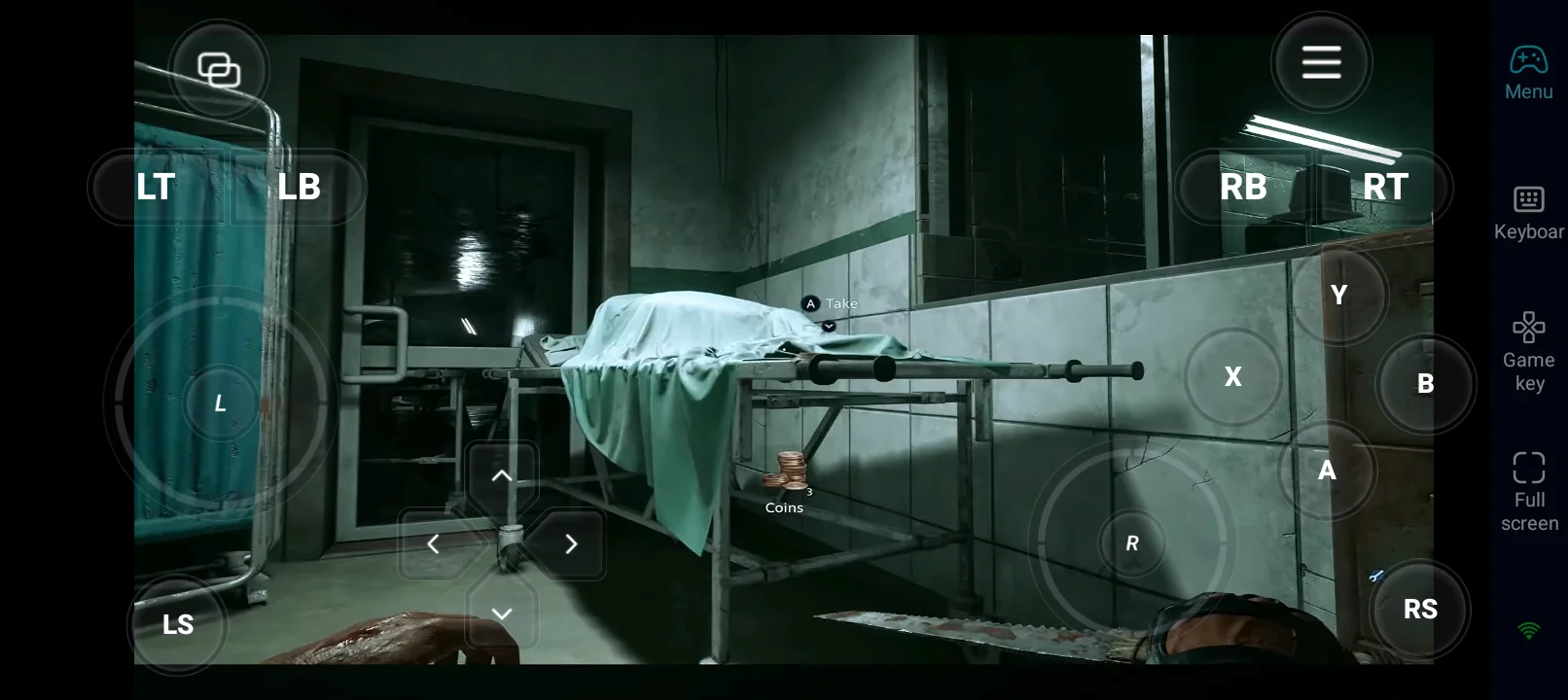
During the main survival horror sections, you'll explore dangerous locations, collect supplies, solve environmental puzzles, and fight hostile enemies. Ammunition and healing items are limited, so wasting resources on every encounter can leave you unprepared for tougher fights. Crafting materials and weapon upgrades can help, but you'll still need to decide when combat is worth the cost.
Fighting isn't always the best option. Assess each encounter before committing to it, and consider whether you can sneak past enemies or use your supernatural abilities to gain an advantage.
Scripted Horror, Exploration, and Puzzles
Other sections focus on atmosphere and exploration, often taking you into the Labyrinth, where familiar locations can change and seemingly straightforward paths become confusing. You'll need to examine your surroundings, solve environmental puzzles, and figure out how to proceed.
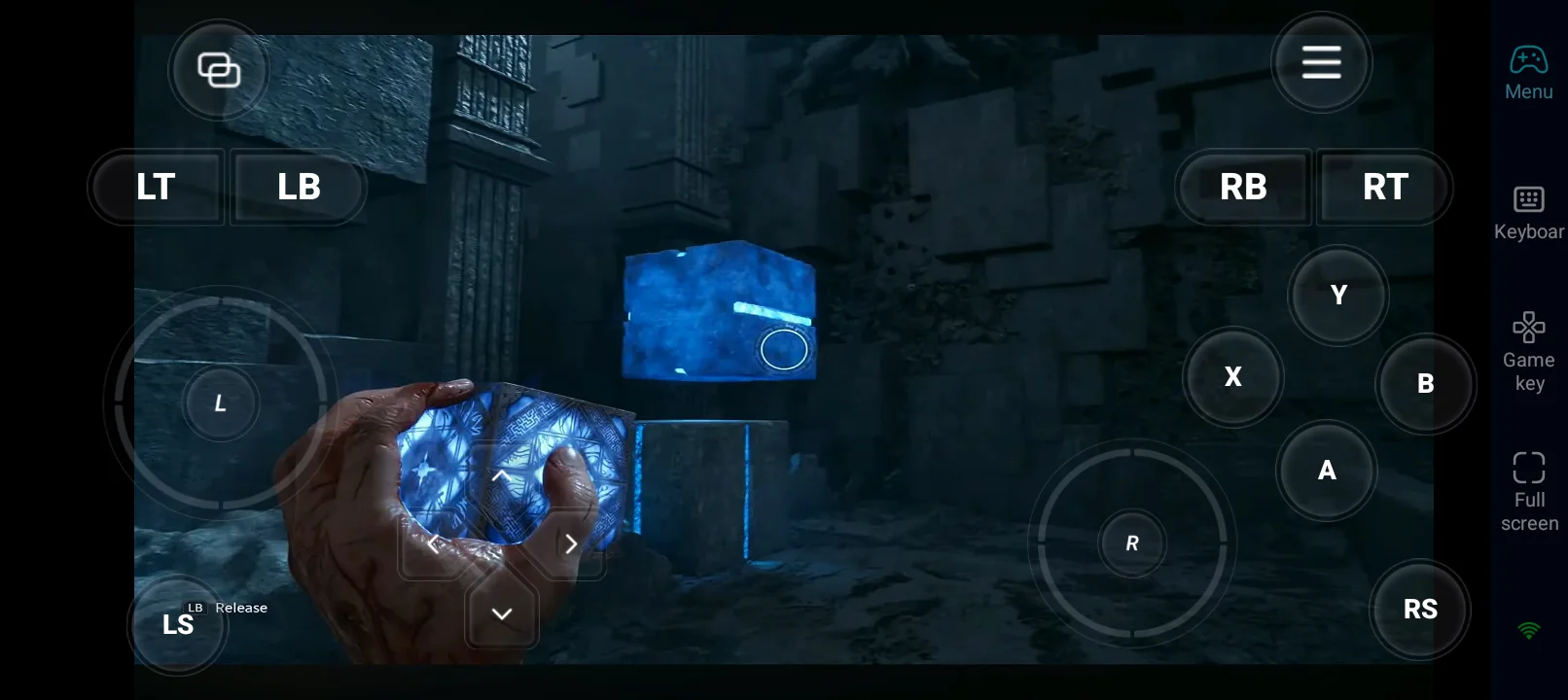
These sections also include chase sequences, where escaping a dangerous pursuer matters more than fighting back.
How the Game Switches Between These Styles
Hellraiser: Revival alternates between these gameplay styles to keep the adventure from becoming a continuous series of combat encounters. You might spend time exploring a mansion, collecting ammunition, and fighting cultists before suddenly having to escape through the Labyrinth.
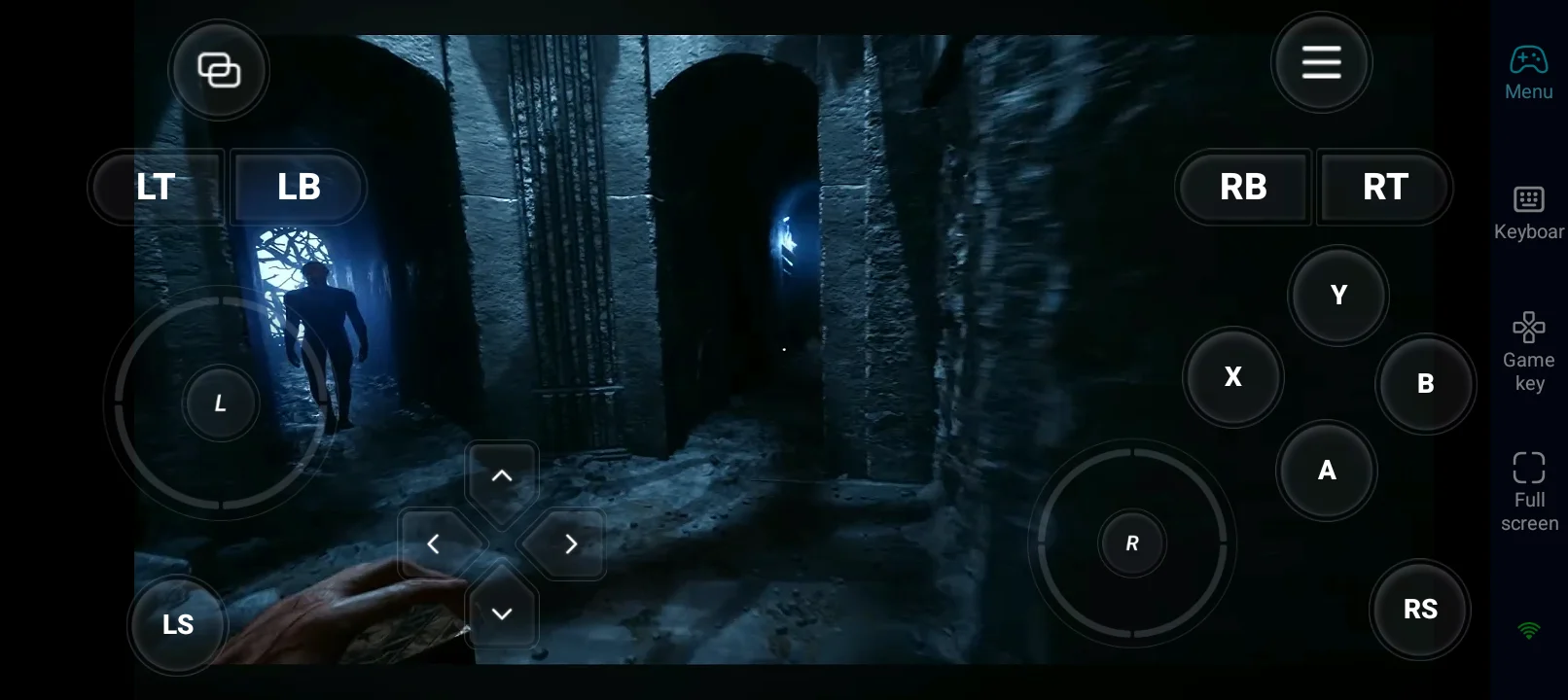
This shift means you'll need to adjust your approach. Resource and weapon management matter during combat, while observation and quick decisions become more important when navigating dangerous environments.
How Chase Sequences Work
Chase sequences are among the most intense parts of Hellraiser: Revival. The Chatterer can make these encounters particularly dangerous, so running blindly isn't always enough. You need to watch for changes in the environment, recognize possible escape routes, and react when your path is blocked.
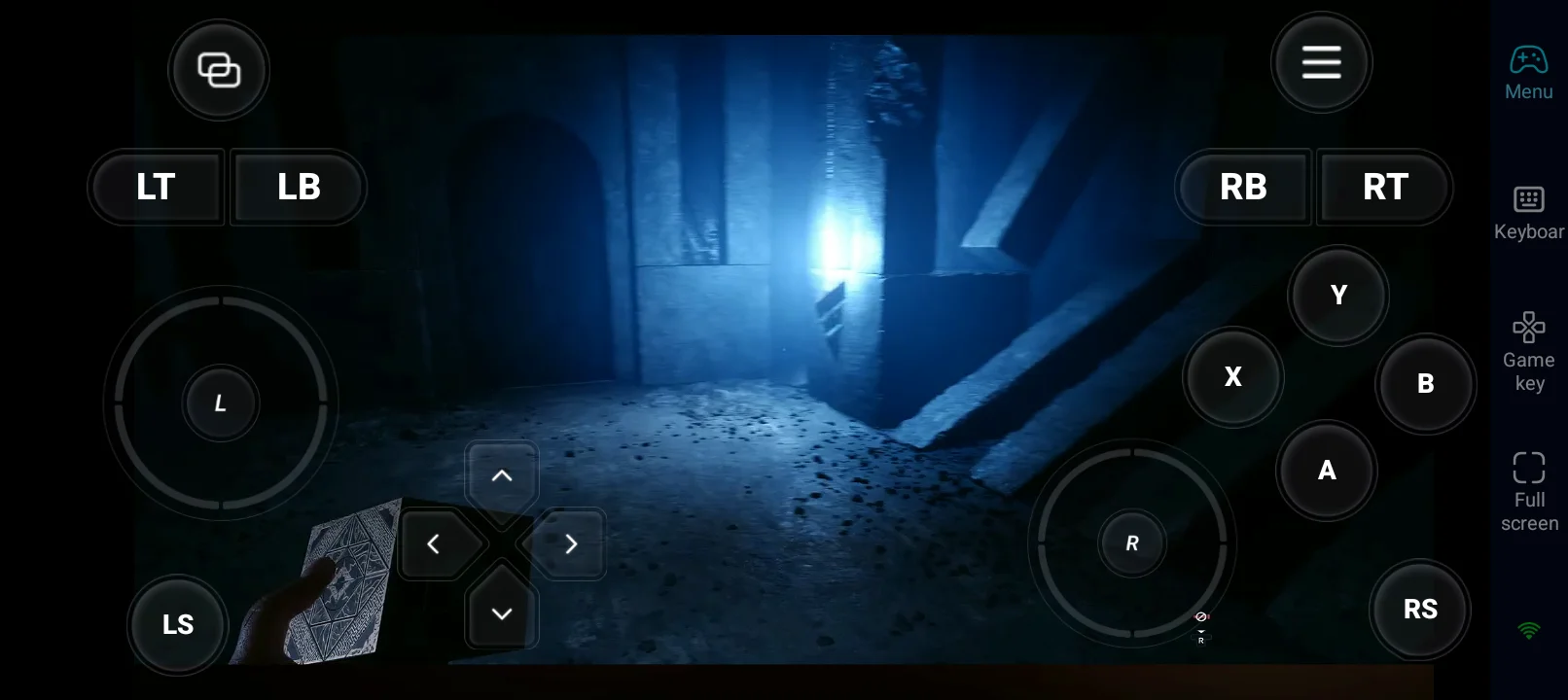
Here are a few tips to help you survive these sequences:
-
Watch the path ahead. Moving quickly without understanding the route can lead you into danger.
-
Look for environmental clues. Openings, changes in the surroundings, and alternative paths may help you find a way forward.
-
Learn from failed attempts. Some sequences may take several tries to understand the pursuer's movements and identify a safer route.
-
Reconsider your route when blocked. If you reach a dead end, check your surroundings or turn back to look for another way forward.
Some chases may still feel frustrating if checkpoints force you to repeat difficult sections. Focus on learning the route with each attempt rather than relying on speed alone.


 Pre-set Keymaps for Easy Play

What to Do When You Reach a Dead End
One of the unusual aspects of Hellraiser: Revival is how it uses distorted environments to confuse your sense of direction. In some sections, walking straight ahead repeatedly will get you nowhere. The solution may involve turning around, changing your perspective, or interacting with the environment differently.
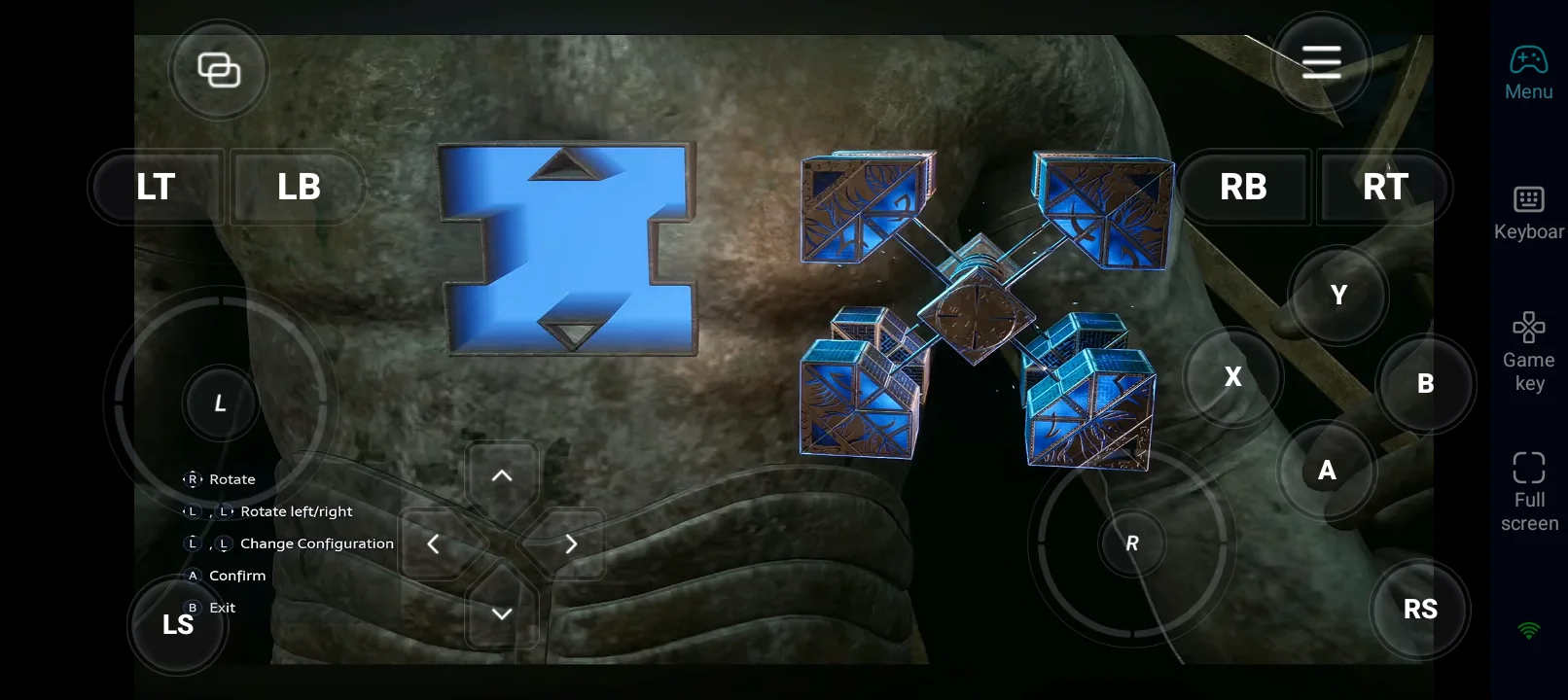
This is particularly relevant when exploring the Labyrinth, where familiar spaces can behave in unexpected ways. A corridor that appears to be a dead end might become part of a different route when you approach it from the opposite direction.
If you find yourself stuck, try the following:
-
Turn around and look again. When forward movement gets you nowhere, retrace your steps and observe the area from the opposite direction.
-
Pay attention to looping rooms. Some environments are designed to repeat or mislead you. If a room seems to keep bringing you back to the same place, try changing your approach rather than repeating the same movement.
-
Experiment with your perspective. A route that appears to lead in one direction may require you to move the opposite way. Don't assume the most obvious path is always correct.
-
Look for environmental changes. Examine the room, nearby objects, and surrounding architecture for clues that something has changed or that another route may be available.
-
Use the Genesis Configuration when appropriate. The puzzle box can do more than damage enemies. Certain puzzles require you to use its abilities to interact with gates or alter parts of the Labyrinth.
The key is to avoid treating every dead end like a conventional blocked path. Sometimes, the environment itself is the puzzle, and progressing requires you to question what you're seeing rather than simply search for another door.
How to Use Stealth in Hellraiser: Revival
Stealth can help you conserve ammunition and avoid dangerous encounters, particularly when you're dealing with multiple enemies or don't have enough supplies for a direct fight. However, stealth in Hellraiser: Revival is not always reliable, so beginners should treat it as a situational strategy rather than a guaranteed way to avoid combat.
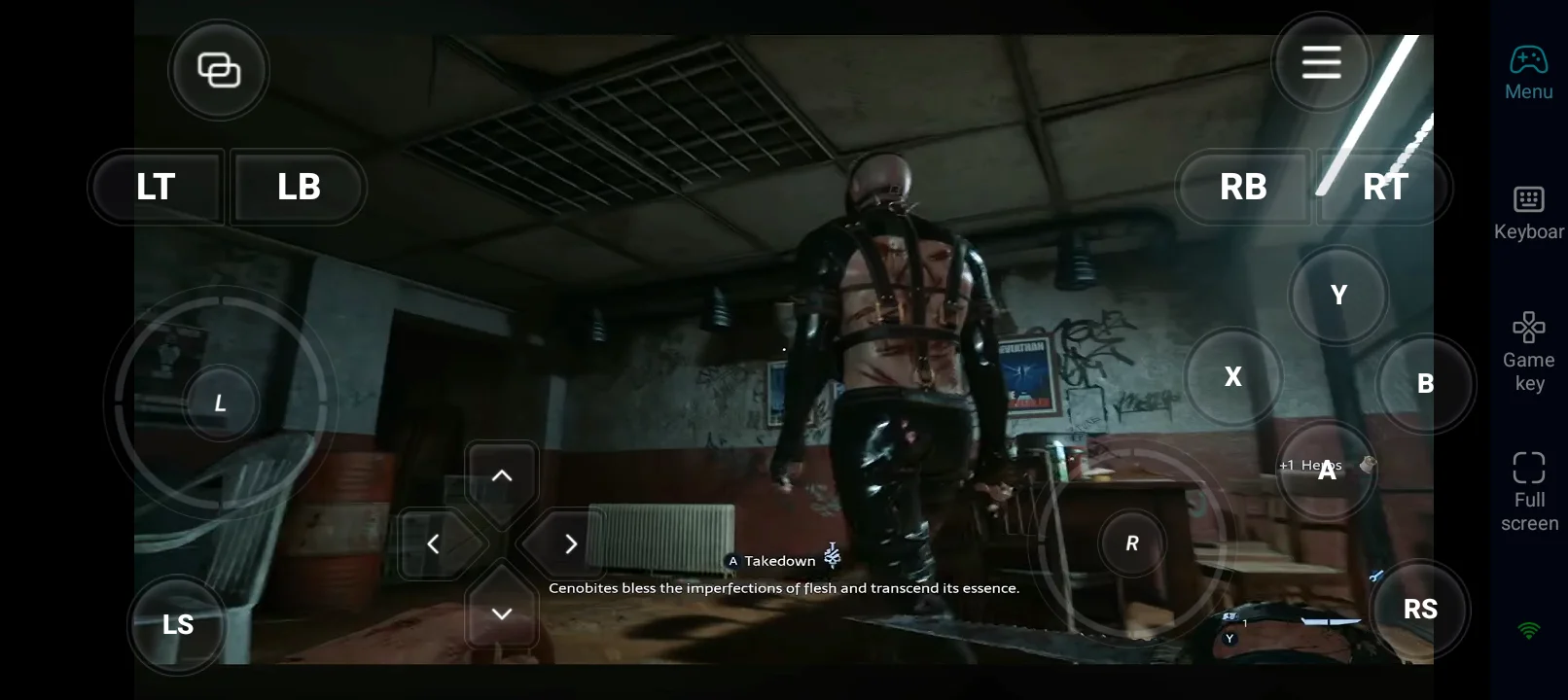
- Look for hiding places. Identify available cover and concealment before moving into an area with enemies.
-
Use dark areas carefully. Darkness may help you remain concealed in suitable locations, but don't assume every shadow will keep you hidden.
-
Use distractions when appropriate. Throwing an object may draw attention away from your intended route, but observe how enemies respond instead of relying on a guaranteed outcome.
-
Avoid unnecessary attacks. An attack can expose your position and turn a quiet approach into a dangerous fight.
-
Know when to abandon stealth. If enemies have detected you or the situation becomes too dangerous, focus on surviving rather than repeatedly attempting an unreliable approach.
Stealth may be the game's biggest weakness, particularly because enemy behavior can feel unpredictable . While sneaking can be useful for saving resources, don't build your entire survival strategy around it. Be ready to fight or escape when stealth fails.
Managing Combat and Survival Resources
Resource management is a central part of Hellraiser: Revival's survival horror gameplay. Ammunition is limited, healing supplies are valuable, and melee weapons break after a set number of uses. If you spend everything on the first enemies you encounter, later fights can become much more difficult.
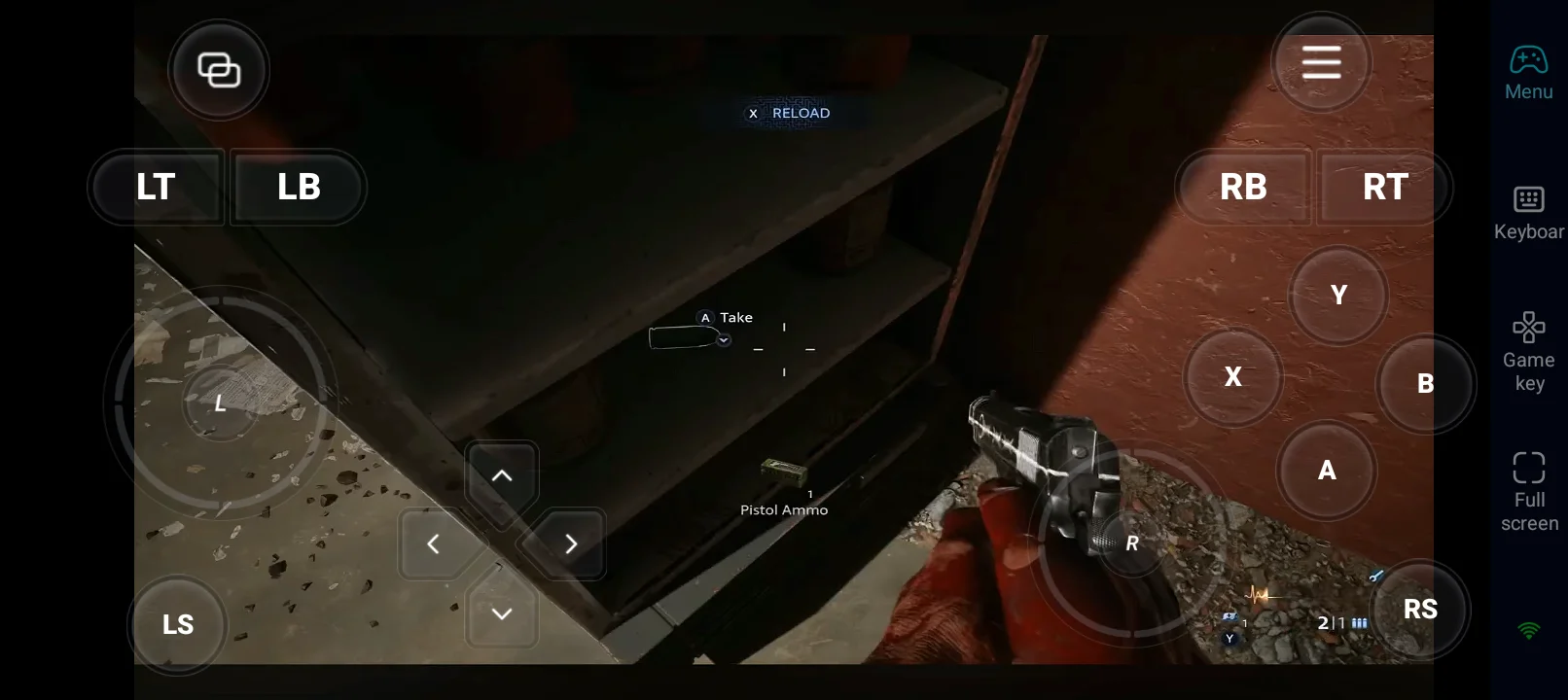
Before engaging an enemy, consider how dangerous the encounter is and what you stand to lose. Some enemies may be worth fighting because they block your route, while others may be better avoided if you can safely move past them.
-
Conserve ammunition whenever possible: Avoid firing unnecessarily, especially when dealing with enemies that can be handled using other methods. Look for opportunities to use melee weapons or the Genesis Configuration, and save your firearms for situations where they provide the greatest benefit.
-
Choose the right melee weapon: Blunt weapons, such as clubs and bats, are useful against armored enemies, while sharp weapons, such as knives and machetes, are more effective against unprotected targets. Using the appropriate weapon can help you avoid wasting durability on ineffective attacks.
-
Remember that melee weapons break: Every use contributes to their limited lifespan. Treat them as consumable supplies rather than permanent equipment, and avoid unnecessary swings when a weapon is already close to breaking.
-
Make use of the Genesis Configuration: Its supernatural abilities provide alternatives to conventional attacks. Telekinesis can turn environmental metal objects into projectiles, while Pyrokinesis can absorb flames from suitable sources and unleash fire against enemies. Executions can also generate Suffering, which powers the configuration's abilities.
-
Search for supplies and crafting materials: Explore rooms carefully, open containers where possible, and investigate optional puzzles. Locks and safes can reward you with ammunition, crafting resources, upgrades, or weapons, making exploration worthwhile even when the main route appears clear.
Finally, remember that fighting is not always necessary. If an encounter is too dangerous or resources are running low, consider whether you can sneak past the enemy or escape instead. Hellraiser: Revival rewards careful decisions, and knowing when not to fight can be just as important as knowing how to win.
Clive Barker's Hellraiser: Revival Beginner Tips and Early-Game Guide
Once you understand the basic combat and exploration mechanics, a few additional tricks can help you make better use of the Genesis Configuration and avoid wasting opportunities during your journey.
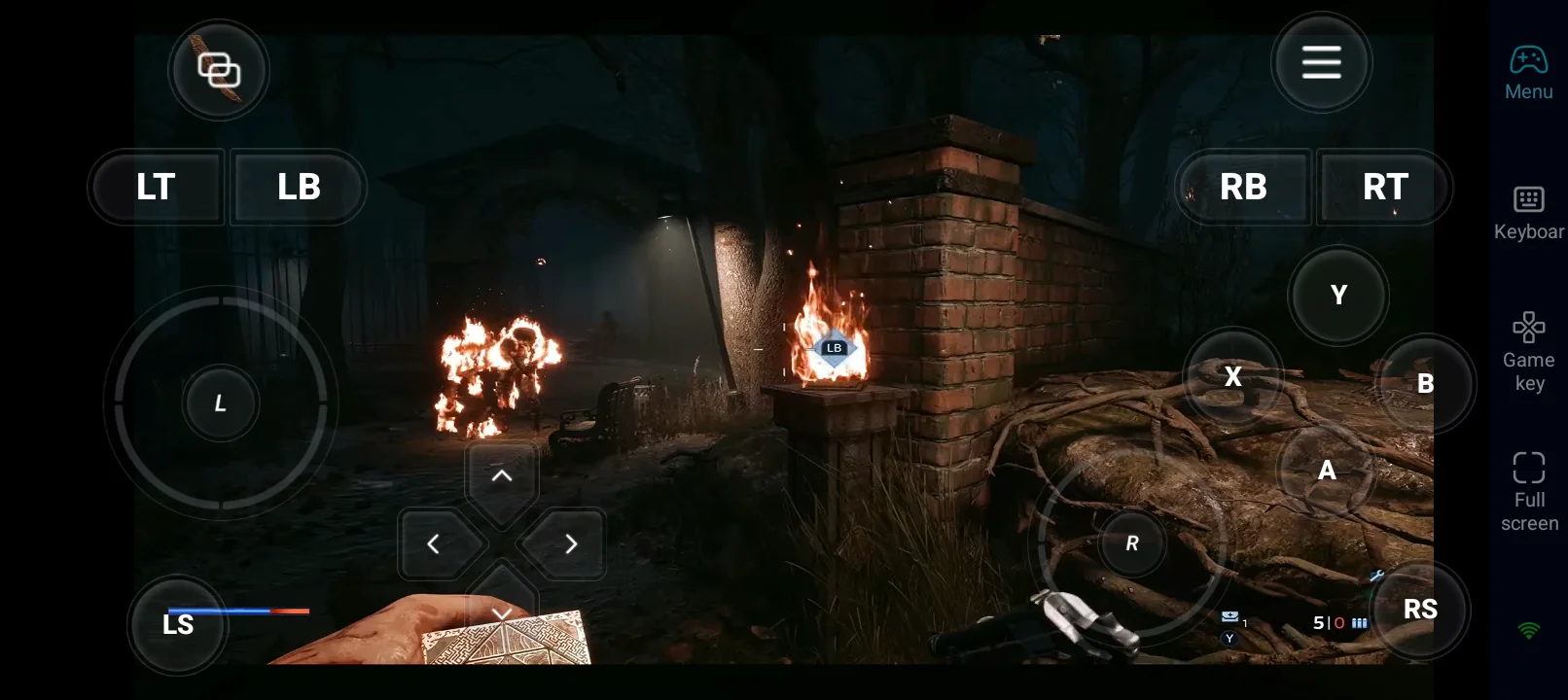
- Execute Enemies to Generate Suffering: Enemy executions generate Suffering, which powers the Genesis Configuration's supernatural abilities. Take advantage of these opportunities to build up a resource that can support your use of its powers.
-
Look for Metal Objects You Can Weaponize: Telekinesis can turn environmental objects, including saw blades and rail spikes, into projectiles. Before relying entirely on your firearms, check whether nearby objects offer another way to damage enemies.
-
Use Available Fire Sources with Pyrokinesis: Look for torches and other suitable fire sources that you can absorb with Pyrokinesis. Keeping an eye on your surroundings can reveal opportunities to use this ability without depending entirely on conventional weapons.
-
Inspect Optional Areas Before Moving On: Don't focus exclusively on the main route. Take time to investigate accessible side areas and optional containers, as exploration may lead to useful supplies, crafting materials, or equipment.
-
Check Nearby Details When a Puzzle Stalls Your Progress: If you cannot immediately solve a puzzle, examine the surrounding area for notes, diagrams, and other clues before resorting to trial and error. A careful search may reveal information that is easy to overlook when rushing.
-
Adapt When Your Current Approach Stops Working: Not every encounter or puzzle can be handled the same way. If combat becomes too costly, stealth proves unreliable, or an apparent route leads nowhere, reconsider your approach instead of repeatedly attempting the same action.
The key to surviving Clive Barker's Hellraiser: Revival is to make thoughtful use of the tools and information available to you. Experiment with the Genesis Configuration, explore beyond the obvious path when it is worthwhile, and remain flexible when the game challenges your expectations.
Conclusion
Clive Barker's Hellraiser: Revival delivers a disturbing survival horror experience with brutal combat, creative environments, and mind-bending puzzles. Learning to manage your resources, use the Genesis Configuration, and navigate the Labyrinth will help you handle its toughest challenges. If you're looking for something unusual to play this Halloween, it's worth considering. And if you want to continue Aiden's journey away from your PC, OSLink lets you play Clive Barker's Hellraiser: Revival on mobile, so you can return to the horror whenever you have the chance.
 Download