English
Gears of War: E-Day brings a fresh twist to the classic Horde experience with Horde Siege, a 12-player PvE mode focused on teamwork, objectives, classes, resource management, and extraction. With three squads of four players sharing the same battlefield, every match can bring new challenges, unexpected fights, and opportunities to work together. This Gears of War: E-Day Horde Siege guide covers everything you need to know before jumping into the mode, including how the gameplay works, key mechanics, classes, objectives, resources, difficulty levels, and beginner tips to help you prepare for each match.
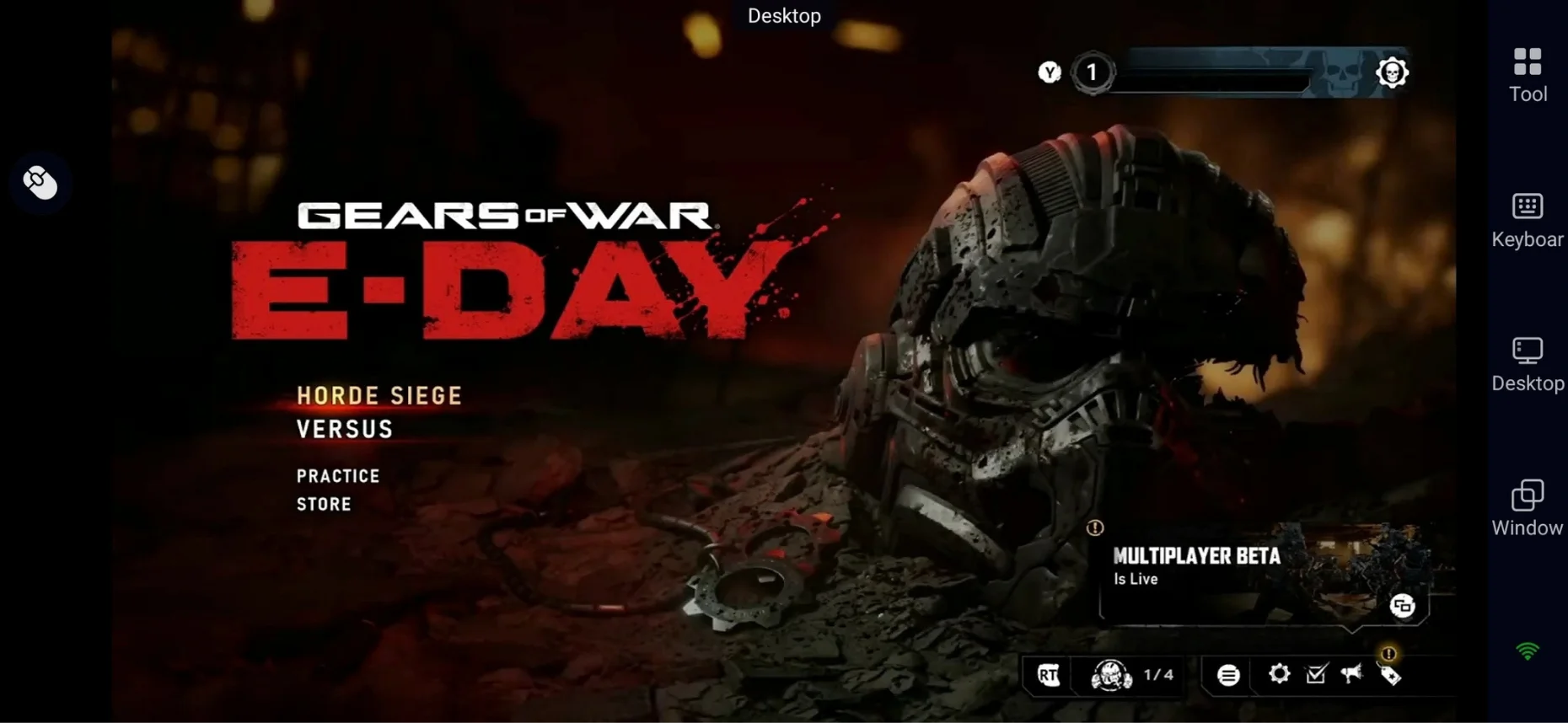
Horde Siege also rewards players who take the time to learn their class, understand the objectives, and manage their resources carefully, especially when tackling longer matches and higher difficulties. If you want to keep working on your classes or fit a few objectives into your day while away from your PC, OSLink lets you remotely access the PC version of Gears of War: E-Day from your mobile device. This gives you more flexibility to continue your Horde Siege progress without always needing to be at your PC setup.
What Is Gears of War: E-Day Horde Siege?
Horde Siege is the newest and most interesting addition to Gears of War: E-Day. It's a new 12-player PvE mode and an evolution of the franchise's traditional Horde mode. In this mode, a match places three squads of four players on the same large map in Kalona. Each squad receives its own mission, but the teams can encounter and assist one another, fight bosses together, and eventually escape by Raven helicopter.
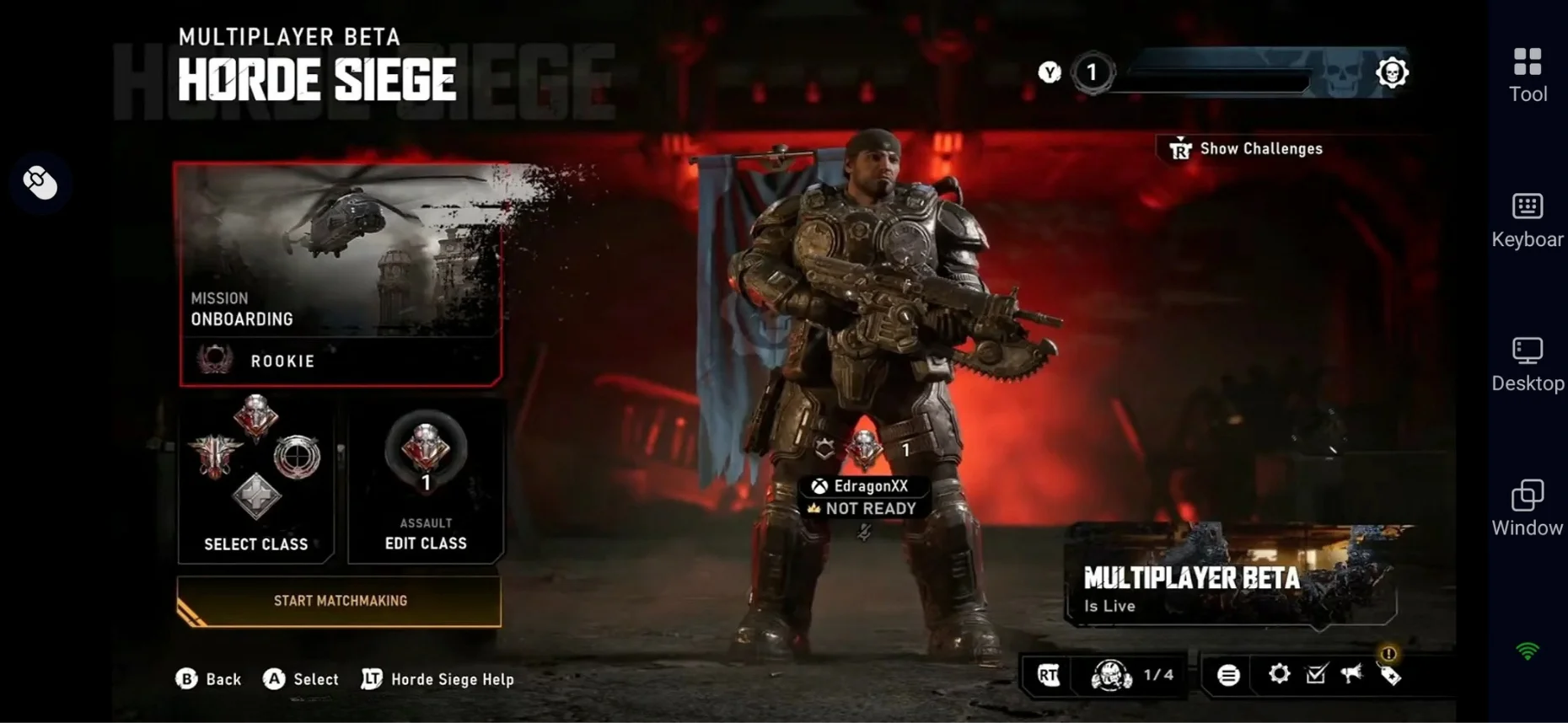
Rather than simply surviving endless waves from a single defensive position, Horde Siege combines different classes for players with different abilities, objectives, exploration, resource management, major Invasion Events, and a final extraction. With these mechanics, you need better preparation and an understanding of everything before diving into the Horde Siege battles.
How Does Horde Siege Gameplay Works?
A Horde Siege match begins with three four-player squads entering the same battlefield. Each squad receives its own objectives and can move around the map independently. For further help, below is how Horde Siege works:
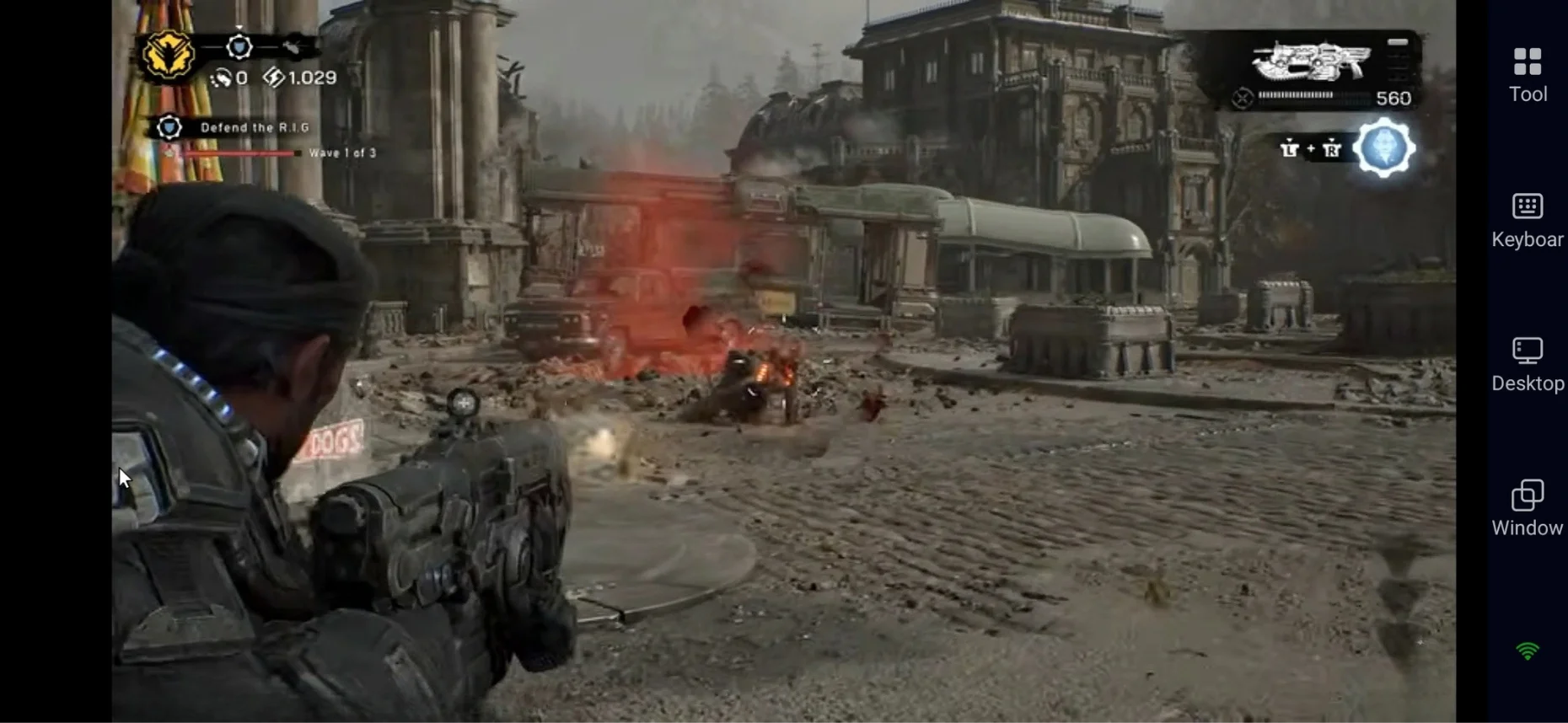
- Up to 12 players are split into three squads of four.
-
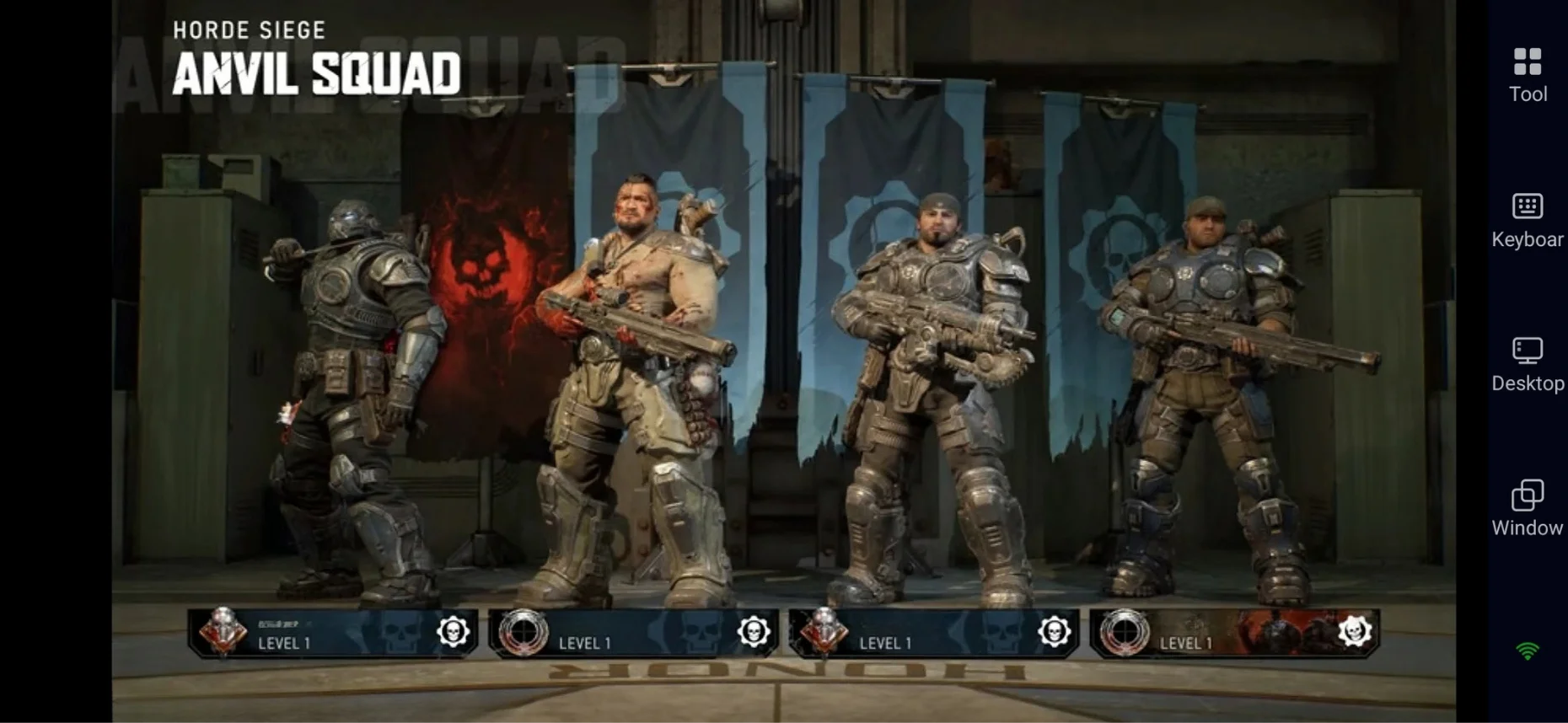
Players choose their classes, loadouts and weapons to build a balanced four-player squad with a mix of offense and defense.
-
Each squad enters a large Kalona map, with three maps available at launch, including Golden Quarter.
-
Every squad has its own main mission, but all squads share the same battlefield.
-
Complete objectives, earn Energy, buy gear and turrets, and take on optional side tasks.
-
Players must also deal with Invasion Events, featuring powerful bosses such as Corpsers and Brumaks.
-
The match ends with a final battle at the landing zone. Defeat the enemies and board the Raven to escape.
-
Only one squad member needs to be extracted for the mission to succeed.
-
You can join battles already in progress, while squads that extract early may leave behind useful turrets and gear.
Core Horde Siege gameplay loop: Choose your class → Pick a playlist and difficulty → Complete objectives and side tasks → Manage Energy and resources → Successfully extract.
Master Key Mechanics of Horde Siege
Before you go to play your first Horde Siege match, there are some key mechanics that you need to learn for better matches. These mechanics can affect your survival, resources, and chances of a successful extraction to win each match:
- Death & Revives: When you die, you drop COG tags. Squadmates can take them to a Supply Cache to revive you. Other squads can also pick up your tags for an instant revival. A full squad wipe costs a Squad Life.
-
Invasion Events: Powerful bosses such as Corpsers and Brumaks can appear across the map. These events affect all squads and can block extraction or disable Supply Caches temporarily.
-
Poisons: After major boss waves, the Locust becomes stronger for your squad. Completing side objectives early can help you prepare.
-
Mission Modifiers: Higher difficulties can add special effects, such as enemies that regenerate health in cover or explode when defeated.
-
COG Resupplies: Supply Drops, Perk Caches, and Weapon Part Stockpiles can appear around the map. Be careful, as they can attract Locust.
-
Extraction Window: The Raven will only stay for a limited time. If you miss the extraction, you lose the chance to escape and keep any Weapon Parts you collected.
Horde Siege Playlists
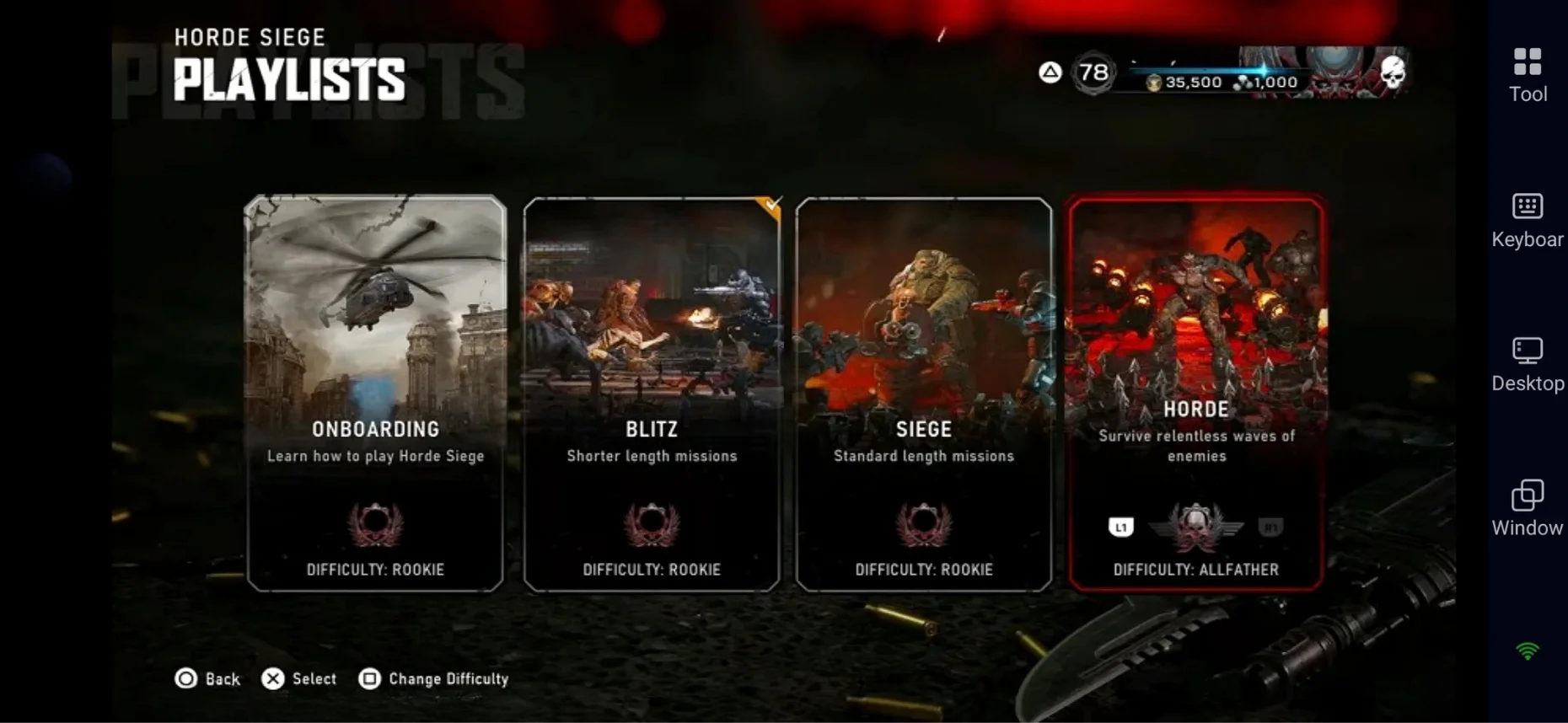
When you play Horde Siege in Gears of War: E-Day, you will find four sections in the mode. One is to learn how to play the Horde Siege (Onboarding), while the other three; Blitz, Siege and Horde are the main playlists, offering different match lengths and playstyles. Below are the full details of each main Horde Siege playlist:
|
Playlist |
Structure |
Approx. Length |
Notes |
|
Blitz |
Complete 1–2 objectives |
15–20 minutes |
The quickest Horde Siege option. It’s a good choice when you want a shorter session or want to practice a class |
|
Siege |
Complete multiple objectives across the map |
20–40 minutes |
The standard Horde Siege experience is based around a main objective. |
|
Horde |
Defend one R.I.G. through surviving 10 waves |
Up to 50–60 minutes |
The longest playlist and is closest to the traditional Gears Horde experience. |
Note: Times vary based on difficulty, squad performance, side objectives, and Invasion Events.
Primary Objectives and Secondary Objectives
Most Horde Siege missions focus on R.I.G.s, short for Resonation Imaging Geographers. These scanners help the COG locate and map Locust tunnels beneath Kalona. There are five main R.I.G. objective types available during Horde Siege gameplay.
|
Mission |
What You Need to Do |
|
Secure |
Clear the Locust forces from an important area. |
|
Calibrate |
Stay and defend specific zones while the R.I.G. completes its calibration. |
|
Repair |
Find scattered R.I.G. parts around the map and restore the R.I.G.. |
|
Defend |
Protect the active R.I.G. until it finishes its mapping process. |
|
Horde |
Survive 10 waves of increasingly stronger Locust attacks around one R.I.G. |
These objectives can be combined with different difficulties, modifiers, and events, so matches can feel different even when you are familiar with the map.
Secondary Objectives
While completing the main objectives, you may also encounter secondary objectives as you move around the battlefield. These optional tasks can provide valuable rewards and help your squad gain extra resources.
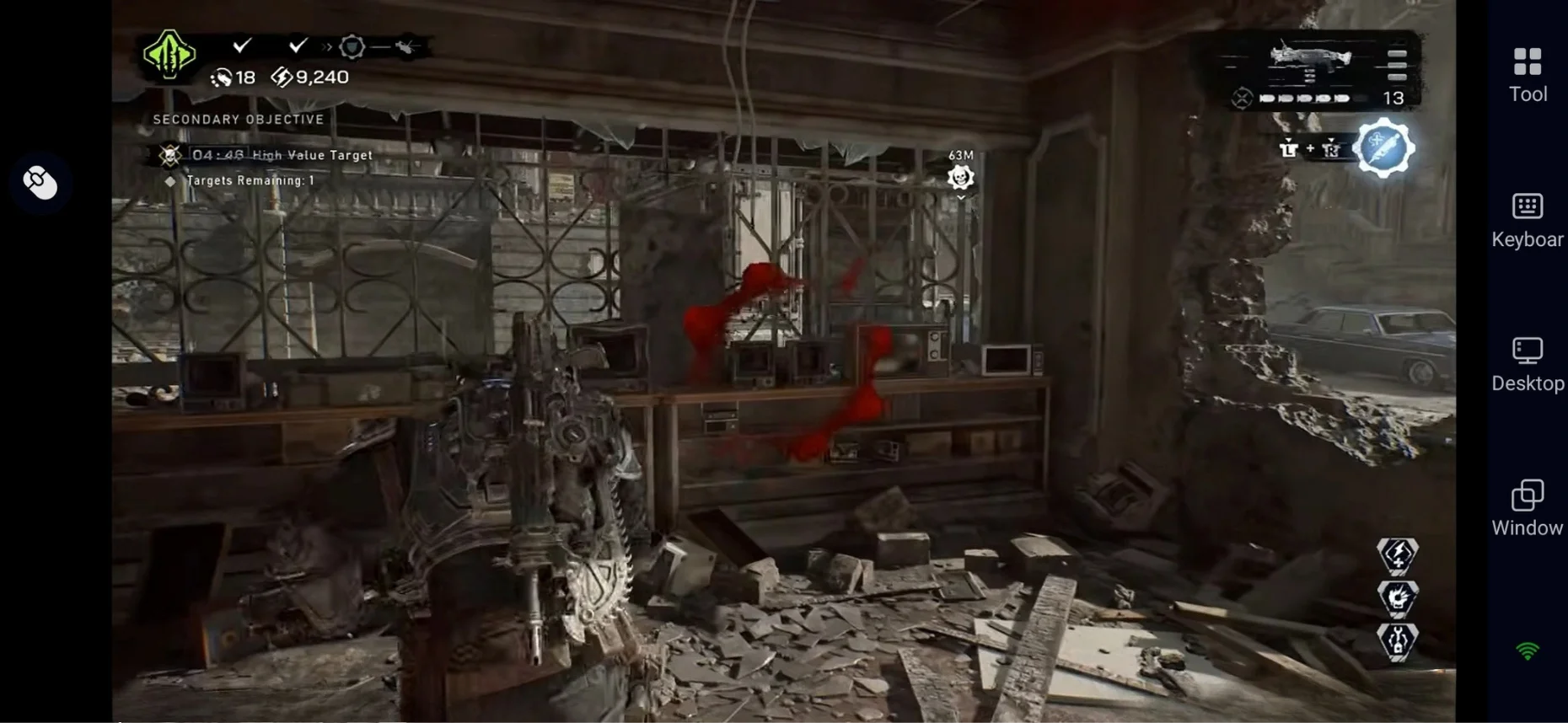
Examples of secondary objectives include:
-
Defusing Locust explosives
-
Eliminating High-Value Targets
-
Collecting COG intelligence
-
Delivering a Power Core to another squad's R.I.G.
Completing these tasks can improve your squad's resources and progression. However, don't let an optional objective put a successful mission at risk.
Tip: While completing objectives, keep an eye on Dynamic Events, as they can suddenly change the battlefield. Be ready to adjust your strategy, help nearby squads, and use your resources wisely when unexpected Locust threats appear.

 Pre-set Keymaps for Easy Play

Horde Siege Classes to Choose
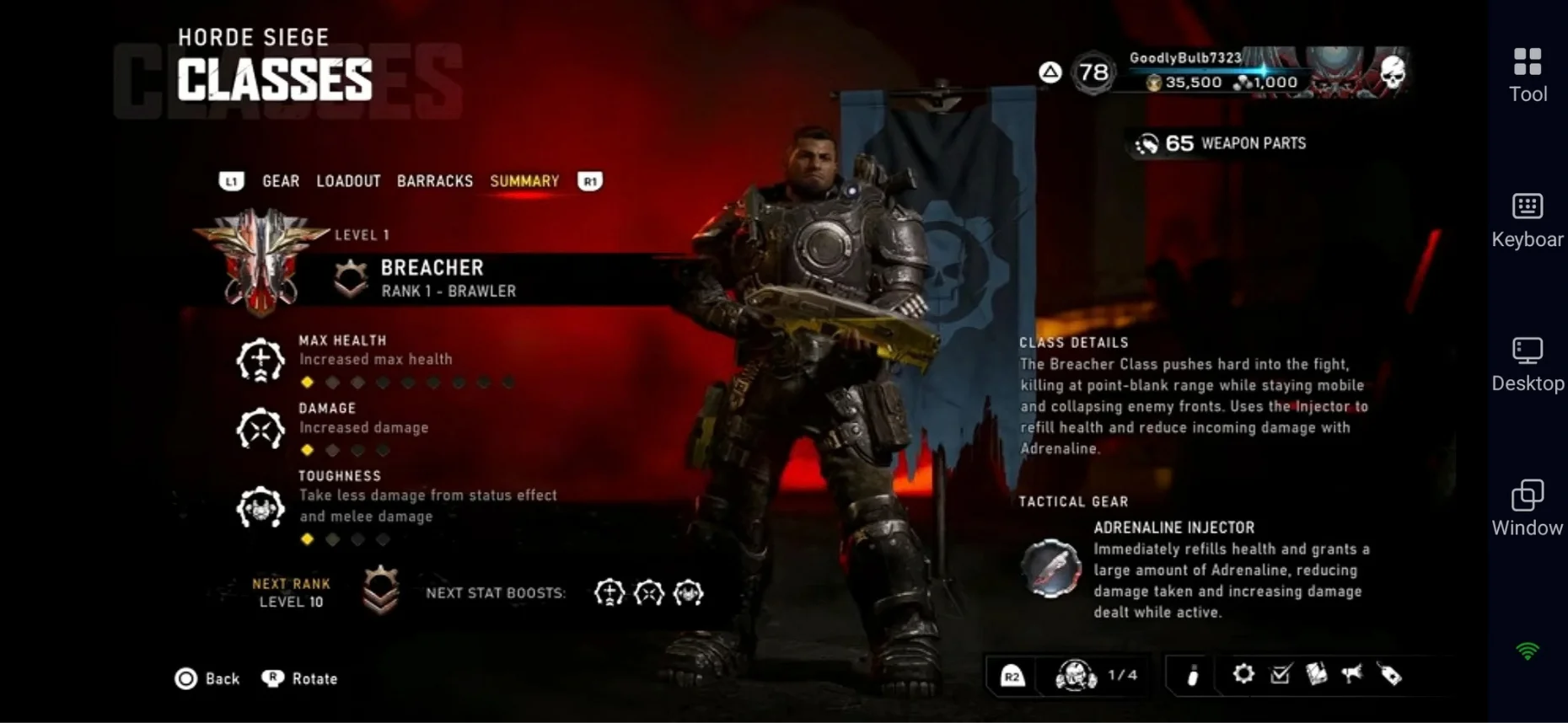
There are four classes in Gears of War: E-Day that players can choose for their squad. Each class has a unique starting loadout, passive bonus, cooldown-based Tactical Gear, and a 30-level progression track. Let’s take a look at how each class works and how it can help your squad:
|
Class |
Role / Playstyle |
Tactical Gear |
Passive |
|
|
Assault |
Mid-range all-rounder, great for holding objectives |
Sonic Disruptor – Stuns groups of enemies |
Bonus damage while in cover |
|
|
Breacher |
Aggressive close-range fighter |
Adrenaline Injector – Heals and reduces damage taken |
Resistance to status effects and melee damage |
|
|
Marksman |
Long-range precision and overwatch |
Pulse Drone – Marks Locust for the entire squad |
Higher critical-hit damage |
|
|
Medic |
Support class with strong combat abilities |
Stim Vaporizer – Heals and revives nearby allies, including other squads |
Faster health regeneration |
Horde Siege Best Class Recommendation: There is no single best class for Horde Siege of War: E-Day Horde Siege. Each class is useful, and the best choice depends on your playstyle, squad setup, map, playlist, and difficulty.
Horde Siege Difficulty Levels for Players
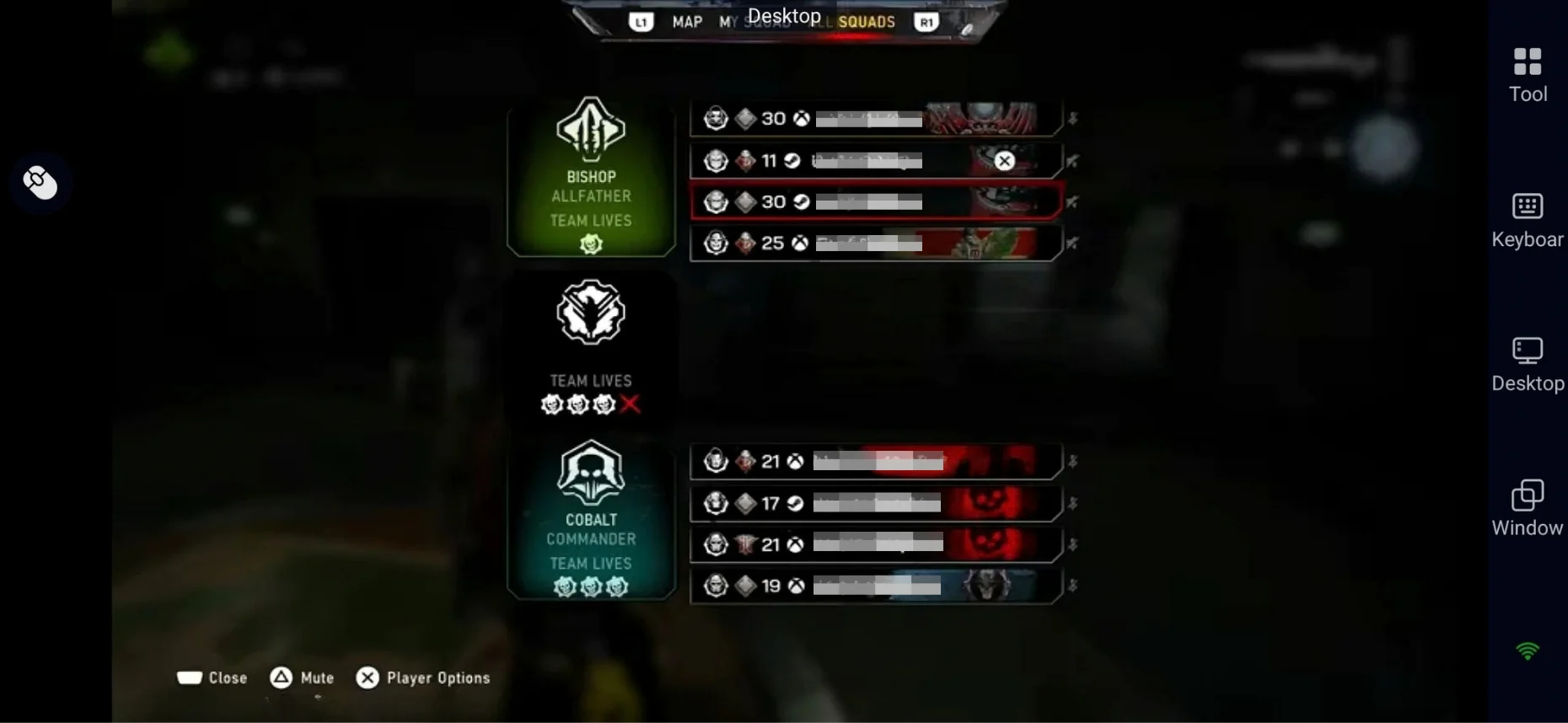
Horde Siege has four difficulty levels that scale with your class level. You can choose any difficulty, but higher levels become much harder without the recommended class level. Here are the Horde Siege difficulty recommendation for the class levels:
|
Difficulty Level |
Recommended Class Level |
Difficulty |
|
Rookie |
Class levels 0 - 10 |
Beginner |
|
Infantry |
Class levels 10 - 20 |
Challenging |
|
Commander |
Class levels 20 - 30 |
Very difficult |
|
Allfather |
Max level classes only |
Extreme |
Note: Higher difficulties increase enemy strength, add tougher modifiers, and provide better rewards.
Resources and Progression in Horde Siege
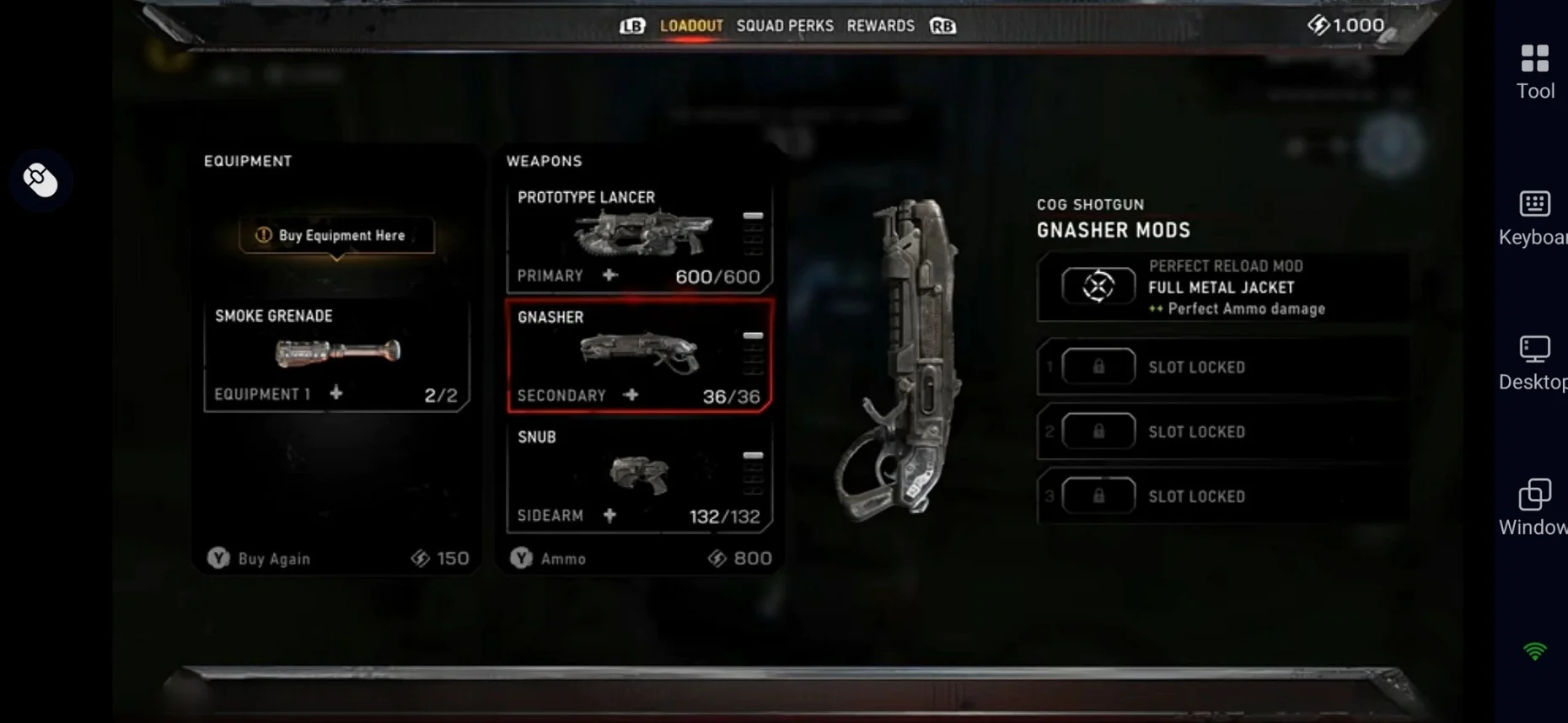
Horde Siege has several important resources and progression systems that help your squad survive and become stronger. Understanding them before starting a match can help you make better decisions during missions.
|
Resource / System |
How It Works |
|
Energy |
Earn Energy from kills and objectives. Spend it at Supply Caches on weapons, equipment, Squad Perks, and turrets. |
|
Weapon Parts |
Used to unlock permanent Weapon Mods (shared across all classes) . You only keep the parts if your squad successfully extracts. |
|
Class Progression |
Each class can reach Level 30, unlocking new loadout options, Armor Mods, Tactical Gear Mods, Weapon Mods, and stat upgrades. |
|
Squad Lives |
A full squad wipe uses one Squad Life. If you run out of Squad Lives, the mission fails, but you still receive some XP. |
Best Horde Siege Beginner Tips and Tricks for More Wins
If you want to win Horde Siege matches raise your class levels and challenge higher difficulty levels for better rewards this Horde Siege beginner guide is here to give you the Horde Siege tips and tricks, for more wins:
-
Play the Onboarding First: The Onboarding mode teaches you the basics of Horde Siege. Use it to try difficulty levels, learn the objectives, Energy system and extraction.
-
Choose a Class That Fits Your Role: Use Assault if you want flexibility. Use Breacher for close combat. Use Marksman for precision damage. Use Medic if you enjoy keeping the team alive.
-
Build a Balanced Squad: Try to include different classes in your squad. Having different roles helps with offense, defense, healing and reviving teammates during battles.
-
Prepare for Extraction: Save some Energy and resources for the landing-zone fight. This is especially important when carrying Weapon Parts.
-
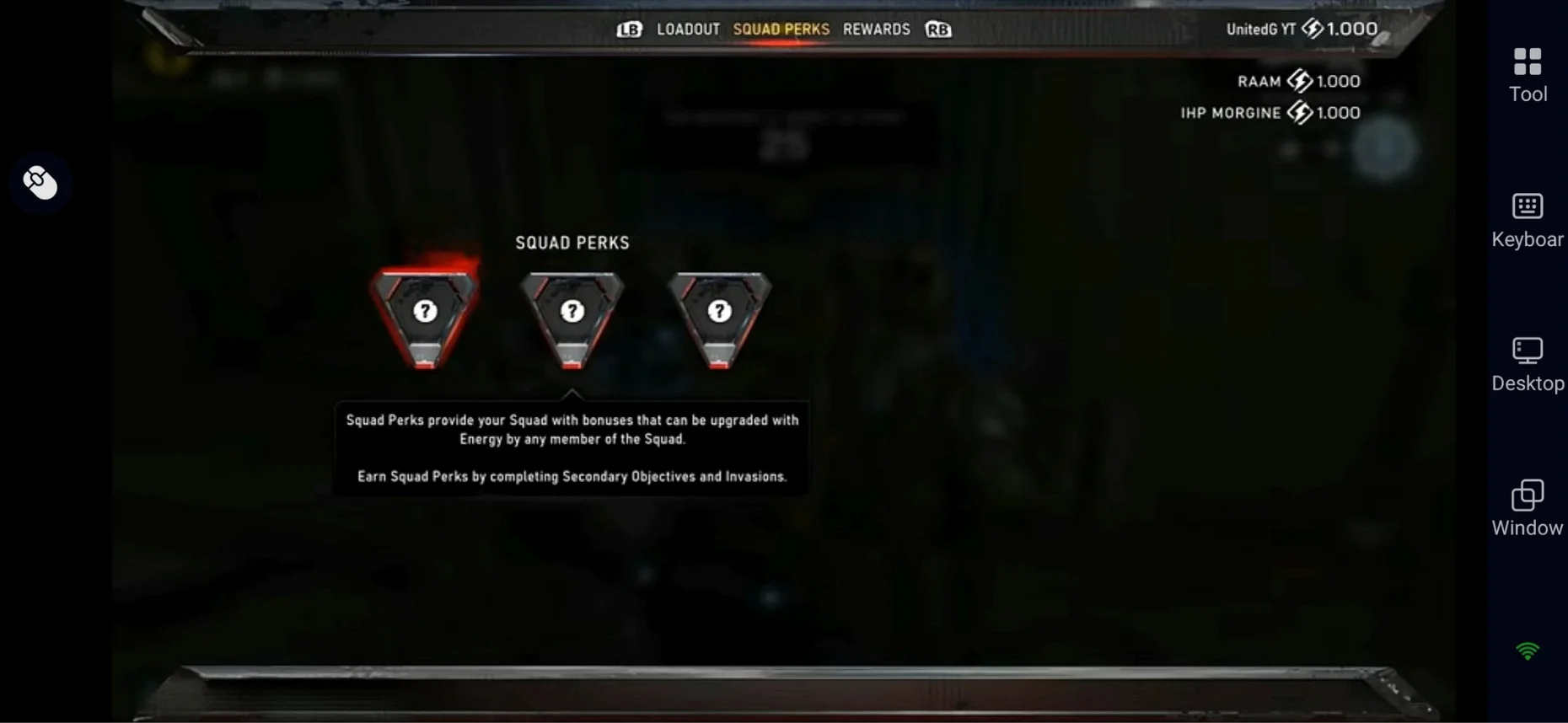
Complete Useful Secondary Objectives: Optional objectives can provide Weapon Parts, equipment and Squad Perks. Take them when your squad can safely complete them without putting the mission at risk.
-
Help Other Squads: Work together with other squads during Invasion Events. Revive downed players when possible.
-
Use Cover Properly: Take advantage of cover, especially when playing Assault, and close Emergence Holes quickly.
-
Do Not Ignore COG Resupplies: Supply Drops, Perk Caches and Weapon Part Stockpiles can provide free rewards.. These resupplies also attract Locust forces so prepare for a fight before grabbing them.
-
Level Up Your Classes: Keep leveling your classes to unlock stronger stats and mods, for higher difficulties.
Conclusion
This Gears of War: E-Day Horde Siege guide covers everything you need to know before jumping into Horde Siege matches. Now you have a clear idea of how this Gears of War: E-Day PvE mode works, and you can use the best tips and tricks to choose your class and build a strong squad for each match. So, keep completing objectives and work together with your squad and other squad members to complete the extraction. Also, if you're looking for a more flexible way to play, OSLink lets you access the PC version through your mobile device and enjoy the gameplay wherever you go.
 Download