English
Running short on Kinah in AION 2? You'll quickly realize how important this currency becomes as you upgrade gear, enchant equipment, craft items, and purchase useful resources. In this AION 2 Kinah farming guide, we'll cover what Kinah is, the difference between Bound and Unbound Kinah, and the best ways to earn it through quests, daily dungeons, Expeditions, open-world farming, gathering, crafting, and the Marketplace. You'll also find simple farming tips and daily routines to help you earn more Kinah without wasting your time or resources.

Want to keep up with your Kinah farming even when you're away from your PC? OSLink lets you play AION 2 on mobile, making it easier to check daily tasks, farm materials, or manage your Marketplace listings while you're on the go. It's a convenient way to keep up with your routine without being tied to your PC.
Bound Kinah vs Unbound Kinah
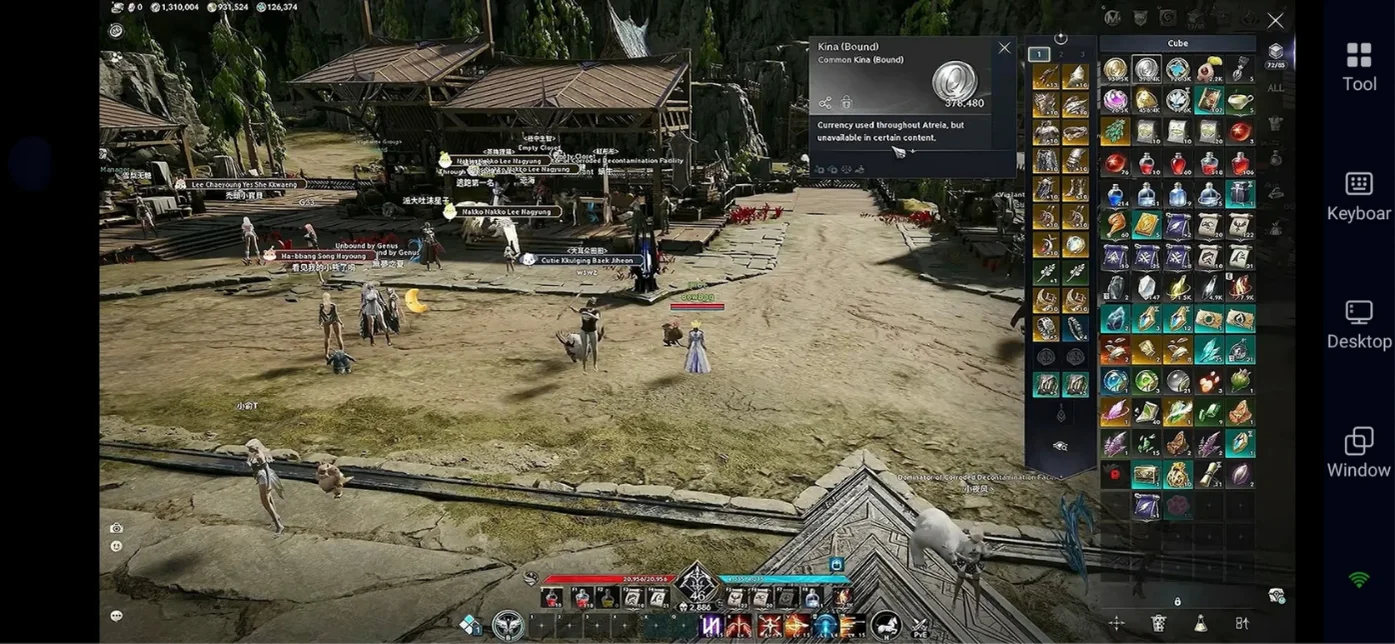
Before you start farming, it’s important to understand that AION 2 has two types of Kinah: Bound Kinah and Unbound Kinah. While both are used as currency, they have different restrictions, which can significantly affect how valuable a farming method is.
|
Kinah Type |
How It Works |
|
Bound Kinah |
Kinah that is restricted to the character that earns it. It can be used for that character's progression and expenses but cannot be freely transferred or traded with other players. |
|
Unbound Kinah |
Tradeable Kinah that can be used in the player economy and for eligible Marketplace transactions. It can also be transferred between your own characters, making it particularly valuable when using alts to support your main character. |
Why the Difference Matters
When comparing Kinah farming methods, don't look only at the amount of Kinah an activity gives you. The type of Kinah matters too. An activity that generates Unbound Kinah or valuable tradeable items can have greater economic value because that income can participate in the player economy and, in the case of Unbound Kinah, be moved between characters.
Farming Tip: Before spending your time on an activity, check whether its rewards are Bound or Unbound. This becomes especially important when you start using alts, because Unbound income can contribute to your main character's progression.
Best Ways to Farm Kinah in AION
The best Kinah farming method depends on your level, gear, available content, energy, clear speed, and the current Marketplace economy. A method that looks highly profitable on paper may not be efficient if it takes too long to clear, consumes valuable resources, or produces mostly Bound rewards.
Instead of looking for one universal “best” method, focus on activities that give you the best value for your time and resources.
|
Method |
Best For |
|
Main Story Quests |
New players and early progression |
|
Daily & Weekly Duties |
Reliable recurring rewards |
|
Kinah Daily Dungeon |
Direct Kinah income |
|
Expeditions / Conquest |
Consistent active farming |
|
Open-World Farming |
XP, Kinah, and valuable drops |
|
Abyss Farming |
Tradeable loot and materials with PvP risk |
|
Boss Farming |
High-value drops and high-risk rewards |
|
Gathering |
Farming materials for the Marketplace |
|
Marketplace |
Selling valuable loot and materials |
|
Crafting |
Turning materials into profitable items |
|
Alts |
Scaling income through character-based activities |
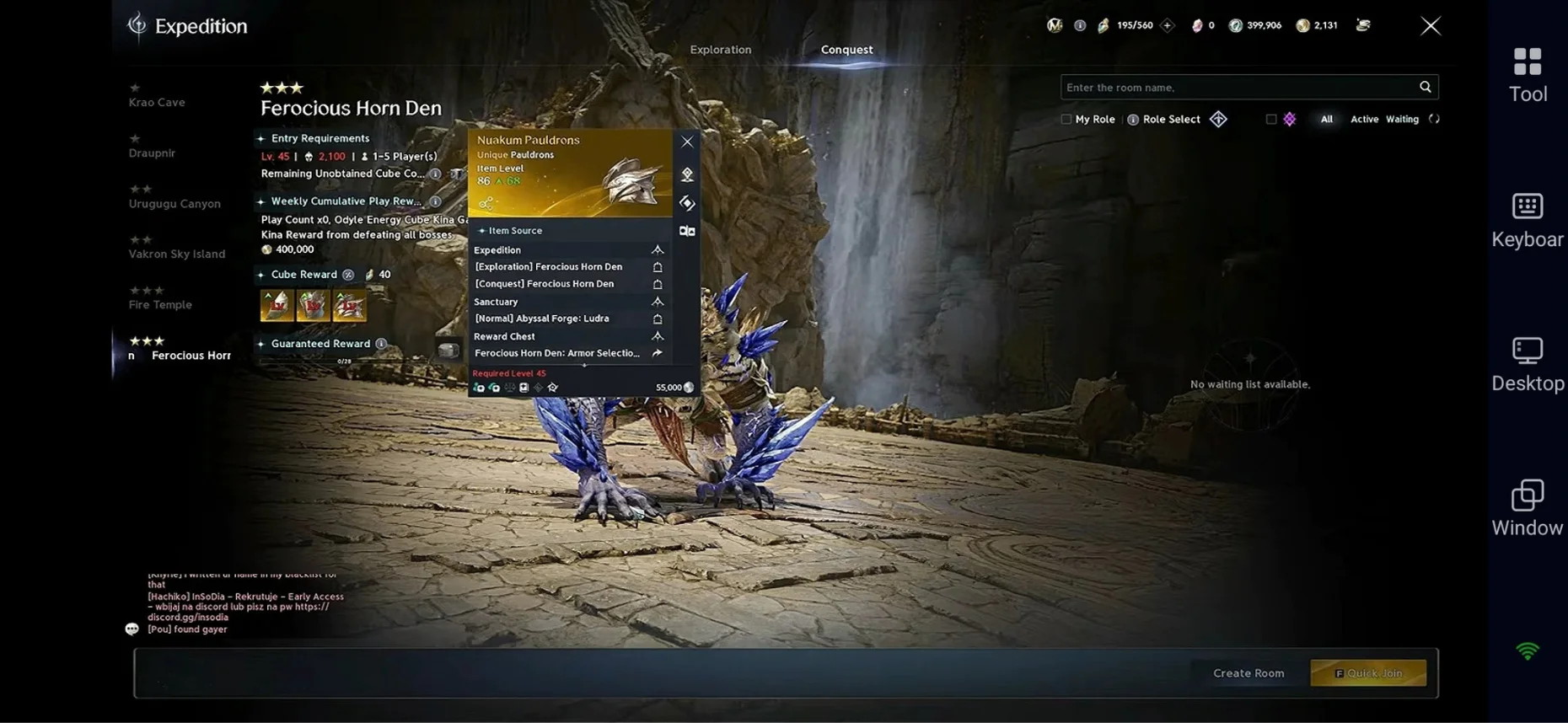
The most reliable approach is to combine several methods rather than relying on one activity. Use daily and weekly content for consistent rewards, spend your available energy on worthwhile activities, and use open-world, Abyss, gathering, crafting, or Marketplace opportunities when they provide better value for your available time.
Farming Tip: Don't judge an activity only by the amount of Kinah shown as a reward. Consider the total value of its Kinah, tradeable loot, materials, energy cost, and time required before deciding whether it is worth farming.
Farm Kinah Through Main Story Quests
For new players, Main Story quests are one of the most efficient ways to build your character while earning Kinah along the way. Instead of stopping your progression to repeatedly farm low-level monsters, you can continue through the story while gaining experience, equipment, currency, and access to new content.
As you progress through the main story, you can gain:
-
XP to level up your character and unlock new content.
-
Kinah to cover upgrades and other early expenses.
-
Gear to improve your combat power as you level.
-
New systems and activities that expand your progression options.
-
Access to better farming methods as higher-level content becomes available.
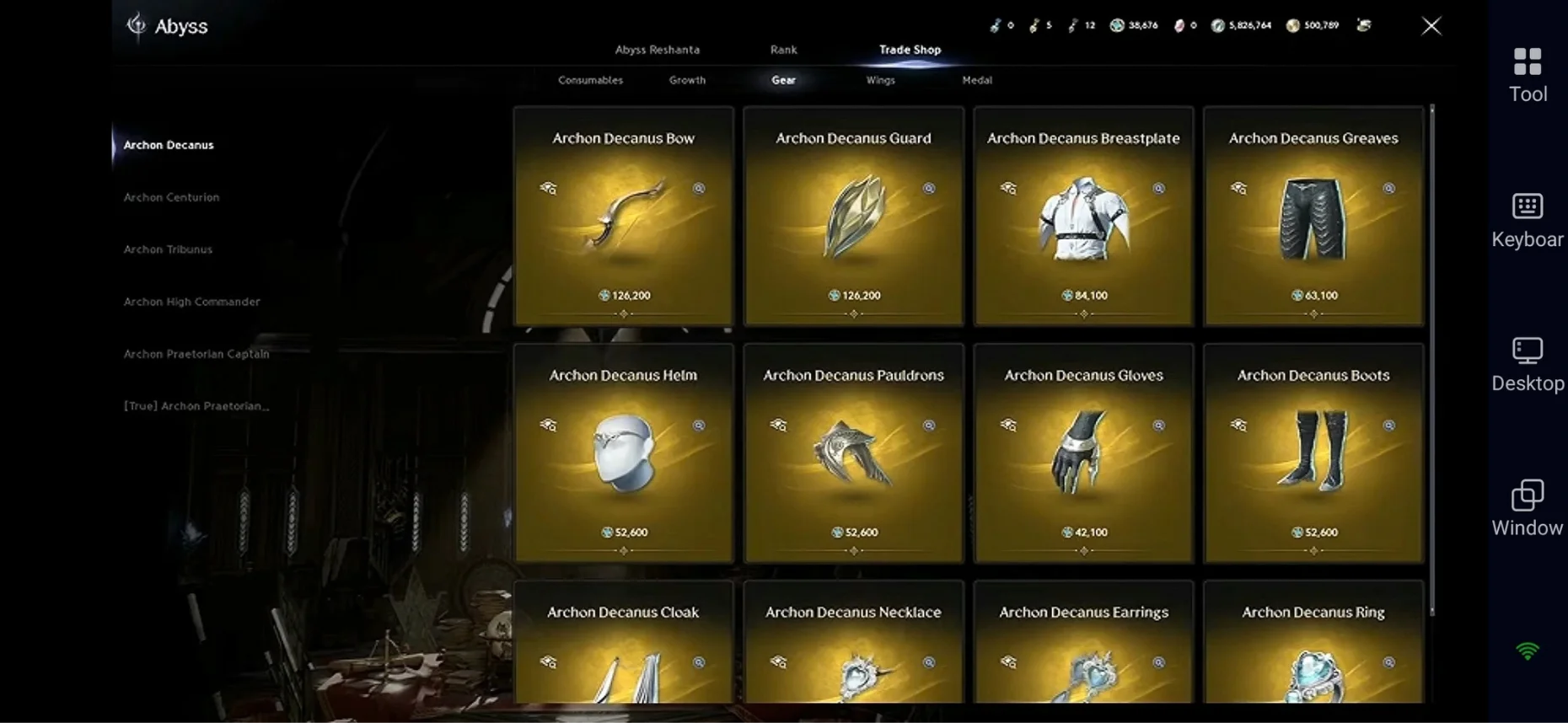
For beginners, this makes story progression more valuable than focusing heavily on low-level mob farming. Treat the Kinah from quests as part of your overall progression rather than trying to turn the main story into a dedicated farming method.
Once you've unlocked more efficient repeatable content, you can gradually shift your farming time toward activities that provide better value for your time, such as Expeditions, open-world farming, or other available content.
Complete Daily and Weekly Duties
Daily and Weekly Duties are a useful source of reliable recurring rewards in AION 2. Rather than spending all of your playtime farming the same enemies, check your available duties and complete the ones that fit naturally into your routine.
Before starting a Duty, check its objectives and rewards so you can prioritize tasks that provide useful Kinah or other valuable resources. Whenever possible, combine several duties in the same area or complete them alongside other activities to reduce unnecessary travel and downtime.
Here are a few ways to make your routine more efficient:
-
Prioritize valuable rewards: When you have several duties available, focus on those offering useful Kinah or resources.
-
Combine objectives: Complete multiple duties in the same area whenever possible to reduce travel time.
-
Complete Weekly Duties: Don't overlook weekly objectives, as they can provide additional rewards alongside your regular daily routine.
-
Fit duties into your farming route: Use daily and weekly content as a consistent baseline before moving on to more active farming methods.
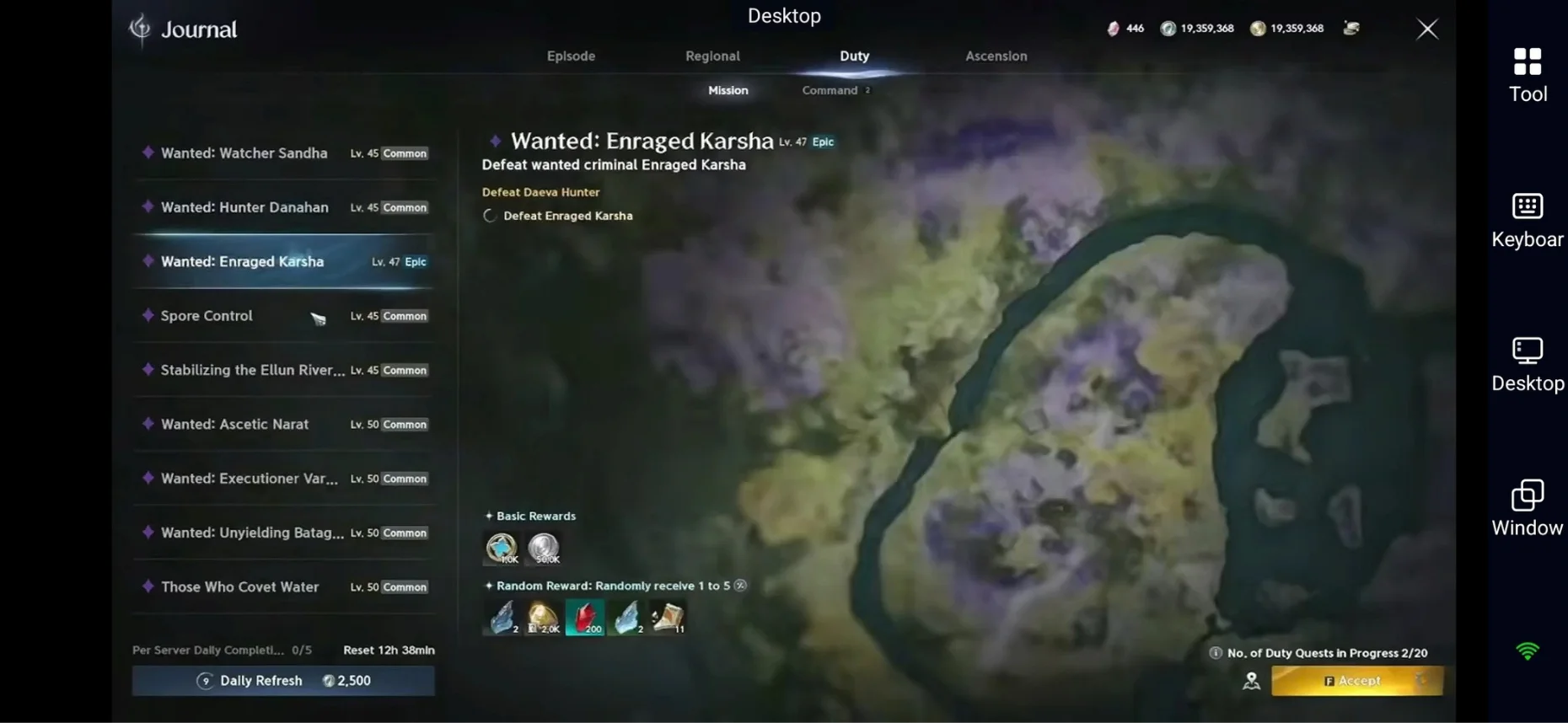
Farming Tip: You don't need to treat every Duty as a mandatory task. Prioritize the ones that provide worthwhile rewards for the time and effort required, then spend the rest of your playtime on more profitable activities.
Farm the Kinah Daily Dungeon
The Kinah Daily Dungeon can be a useful source of direct Kinah, particularly when you can complete your runs quickly and consistently. Since the value of a run can depend on the current reward system and your performance, check the available rewards before making it a major part of your daily farming routine.
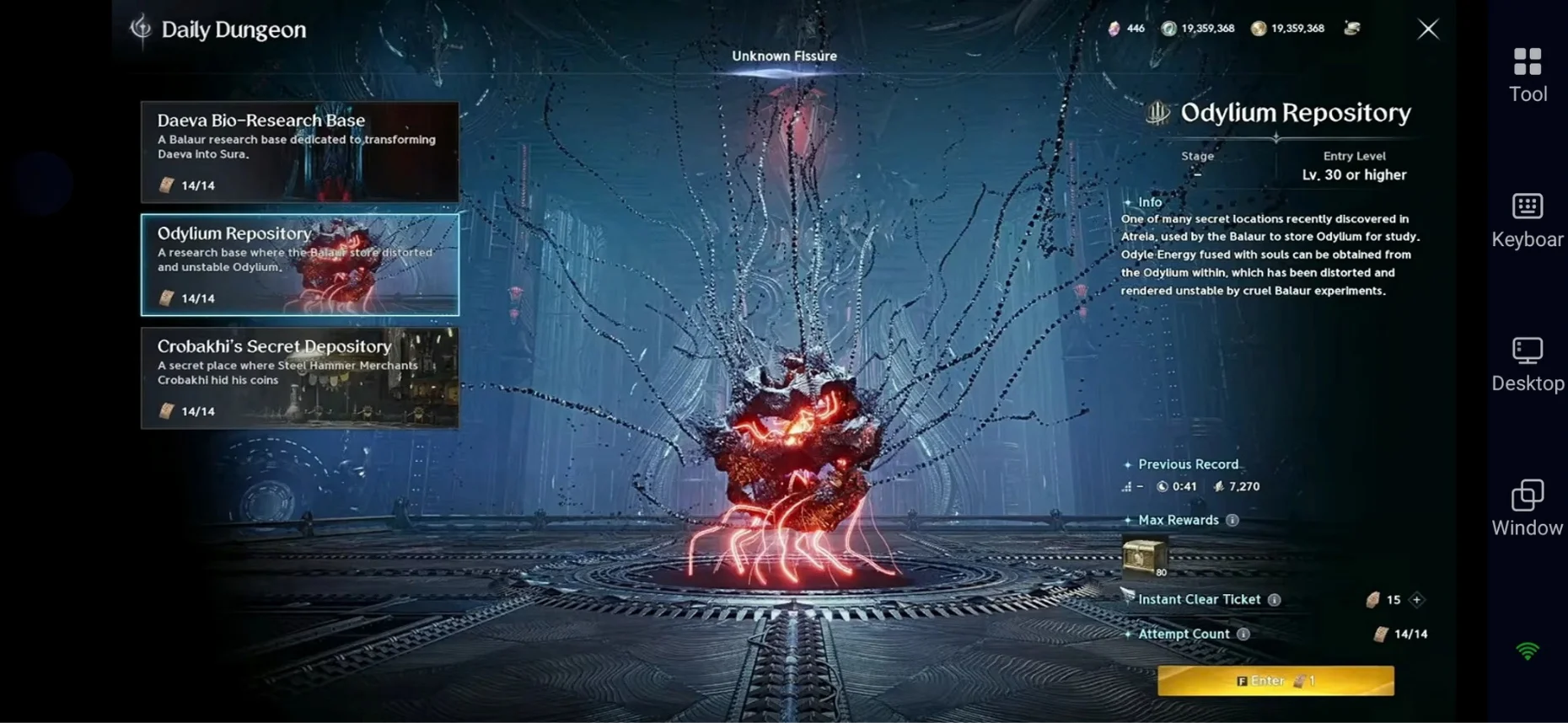
To improve your efficiency:
-
Focus on clear speed: The faster you can complete a successful run, the better its potential Kinah-per-hour value becomes.
-
Learn the dungeon layout: Knowing where to move and what objectives to prioritize can reduce unnecessary downtime.
-
Optimize your movement: Movement speed and mobility can be particularly useful if the dungeon rewards efficient completion.
-
Avoid unnecessary delays: Don't spend time on actions that don't contribute to completing the run or improving its reward.
-
Pay attention to scoring: If your reward is affected by your performance or score, learn what actions improve your final result.
-
Check the current rewards: Reward values and systems can change with updates, so don't rely on an old Kinah-per-run figure.
-
Compare it with other activities: A good daily dungeon run is valuable, but compare its total reward and completion time with other available farming options.
Don't judge the dungeon only by its total Kinah reward. Calculate roughly how much value you can generate per run and how long that run takes. A slightly smaller reward can still be better if you can complete it significantly faster.


 Pre-set Keymaps for Easy Play

Farm Valuable Drops in the Open World
Open-world farming can be a flexible way to earn Kinah while also gaining experience and collecting valuable items. Instead of farming monsters simply because they drop Kinah, focus on areas where you can clear enemies quickly and consistently while collecting loot that has useful Marketplace value.
Open-world enemies can provide different types of value, including:
-
Direct Kinah
-
Equipment
-
Mana Stones
-
Soul Stones
-
Refining materials
-
Crafting materials
-
Other tradeable drops
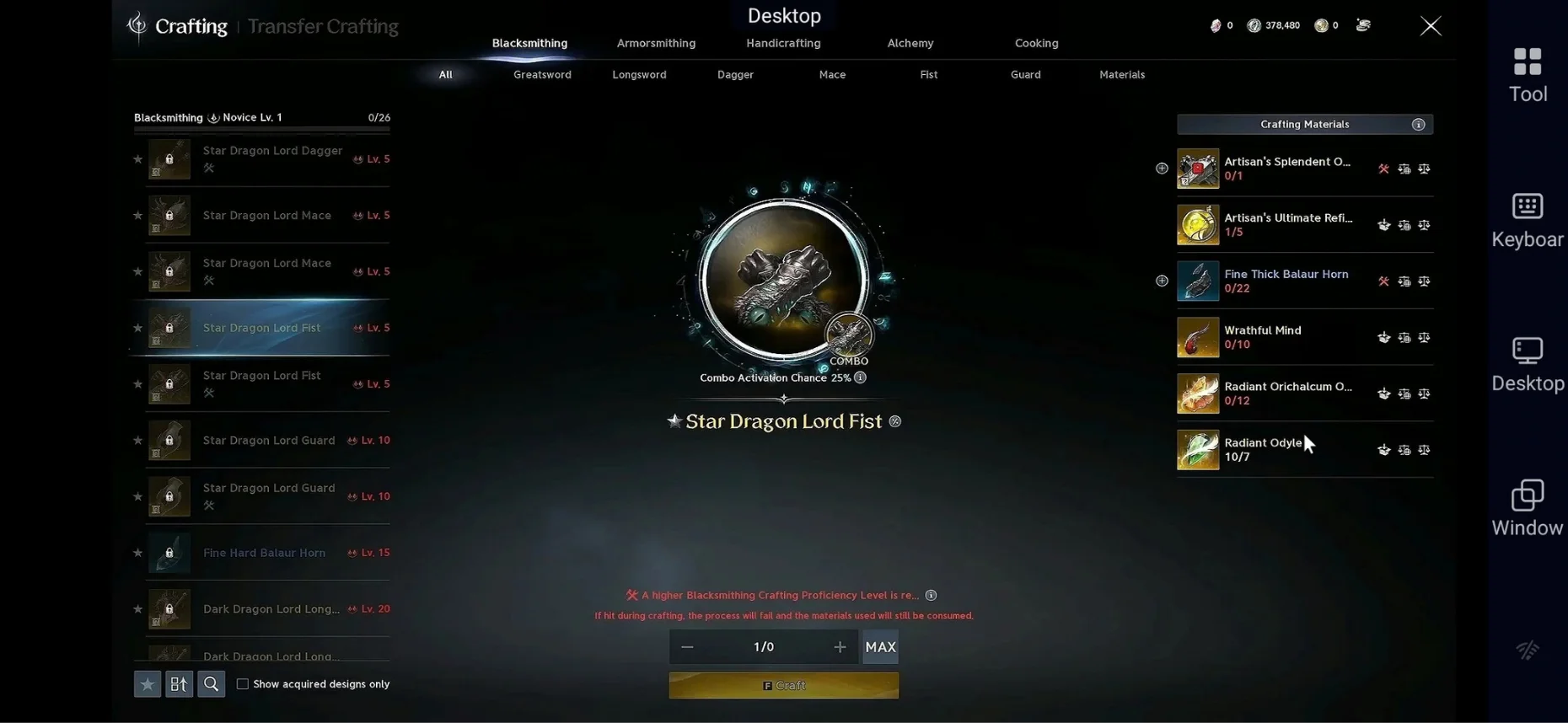
The value of these drops can vary significantly depending on the current Marketplace economy, so a farming spot that is profitable today may become less attractive after supply increases or demand changes.
How to Choose an Open-World Farming Spot
Rather than relying on one permanently “best” farming location, compare areas based on:
-
Clear speed: Choose enemies you can defeat consistently without long downtime.
-
Drop value: Check whether the items you receive are actually useful to other players.
-
Drop quantity: A valuable item is more useful when you can obtain it consistently.
-
Travel time: Spending too much time moving between farming areas reduces your overall efficiency.
-
PvP risk: Some areas, particularly the Abyss, can expose you to other players while farming.
-
Marketplace demand: Check current prices before committing to a farming location.
Abyss Farming
The Abyss deserves special attention because its enemies can provide several different sources of value at the same time. Alongside direct rewards, you can obtain equipment, Mana Stones, Soul Stones, refining materials, and crafting resources that may be valuable on the Marketplace.
However, Abyss farming comes with an additional risk: other players can interrupt your farming session. This means you should consider both your expected loot value and the amount of time you can realistically spend farming without being forced to stop.
Farming Tip: Don't choose an open-world farming spot based only on the price of one drop. Check the value of the entire loot pool, how quickly you can clear the area, and how consistently you can sell what you collect. Market demand can change as more players obtain the same materials.
Gather and Sell Materials
You don't always need to fight monsters to earn Kinah. Gathering can provide a steady source of income when you collect materials that other players need for crafting, upgrades, or other progression systems.
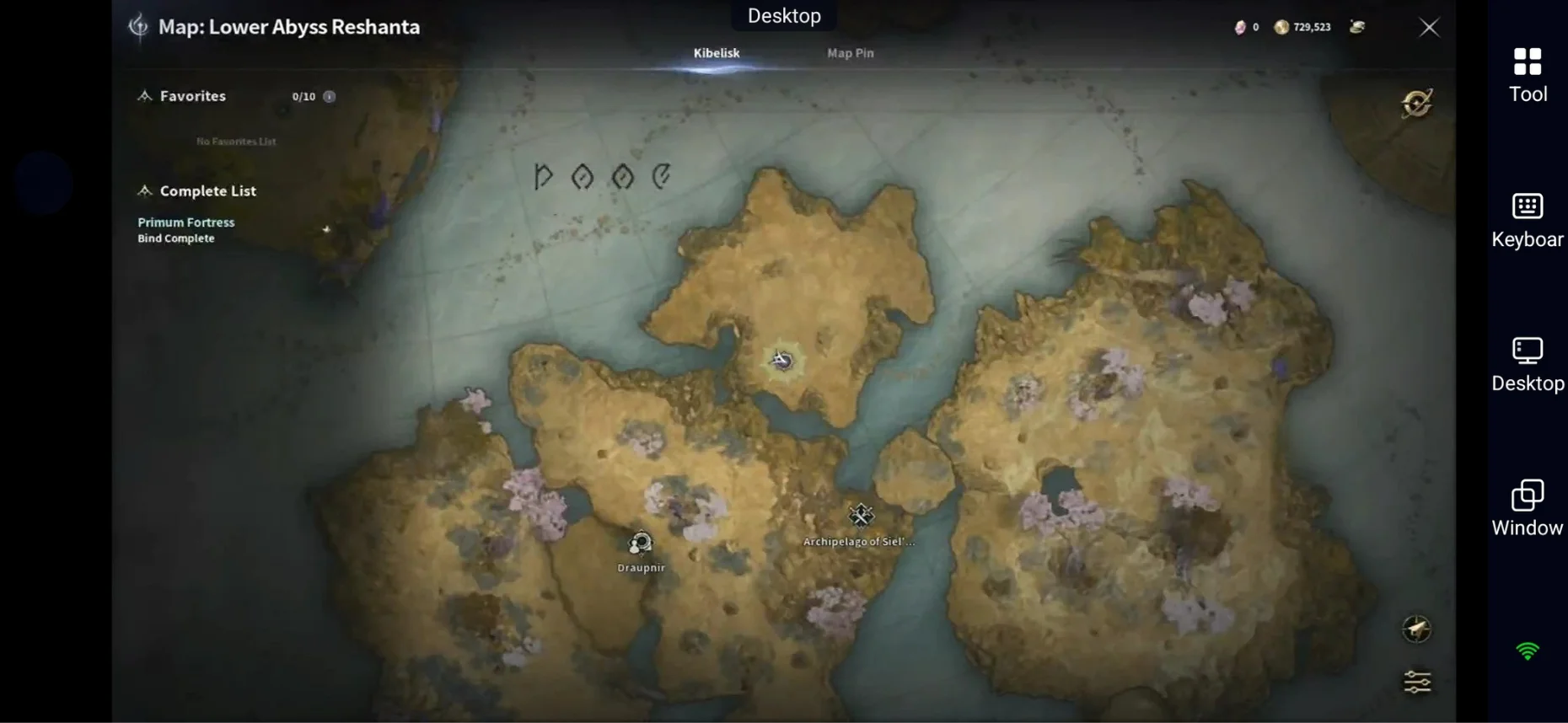
You can gather resources such as Odyle, gems, ore, and other crafting materials, then sell the materials that have demand through the Broker or Marketplace. However, not every material is equally valuable, so check current prices before spending a large amount of time gathering.
Improve Your Gathering Efficiency
Your gathering efficiency directly affects how much value you can generate from the same amount of playtime. Improving relevant gathering abilities can help you collect materials more effectively.
-
Proficient Handling
-
Delicate Touch
The goal is simple: collect more useful materials in less time. Before choosing what to gather, check the current Marketplace demand and compare the expected value of the materials with other farming activities available to you.
Farming Tip: Don't gather materials simply because they are expensive today. Check their recent demand and supply first. If many players are selling the same material, its price can fall quickly.
Make Kinah Through the Marketplace
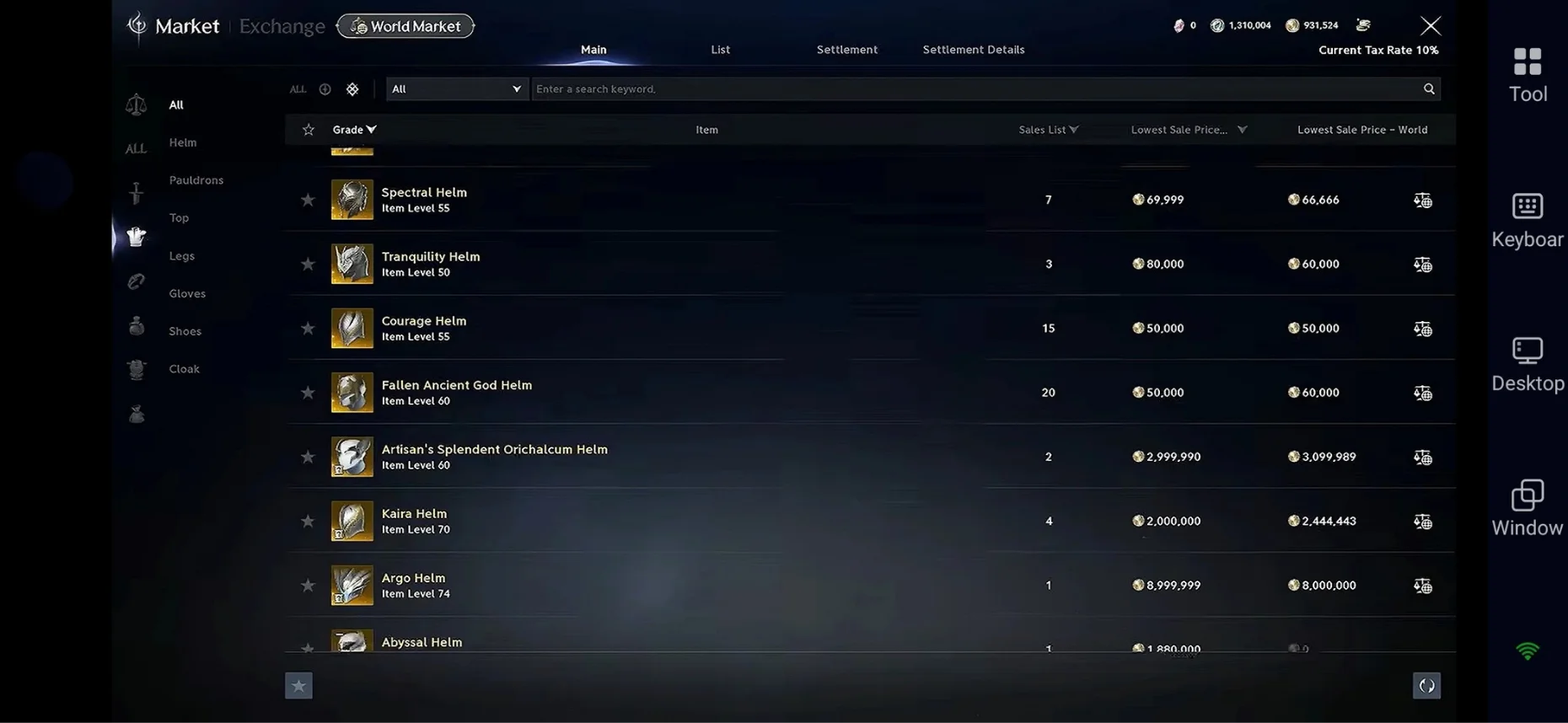
The Marketplace is one of the most important parts of the AION 2 economy because it allows you to turn valuable drops, materials, and other tradeable items into Unbound Kinah. Instead of automatically selling everything to an NPC, check whether other players are willing to pay more for the item.
This is especially useful after open-world farming, gathering, dungeons, and other activities that give tradeable loot. The value of a farming session isn't always the direct Kinah you receive—valuable items can sometimes be worth much more when sold to other players.
Sell Valuable Drops
Keep an eye out for items that have consistent player demand, such as:
-
Enhancement Stones
-
Crafting Materials
-
Useful Gear
-
Manastones
-
Consumables
-
Rare Drops
Before listing an item, check its current Marketplace price and recent demand. An item with a high listed price isn't necessarily valuable if there are very few buyers.
Don't Vendor Everything
Selling unwanted items to an NPC is convenient, but it isn't always the most profitable option. Before vendoring a potentially useful item, check whether it is tradeable and whether players are currently buying it.
If the Marketplace value is meaningfully higher than the NPC selling price, listing the item can generate more Unbound Kinah. Just remember to account for Marketplace fees when comparing the two options.
Marketplace Flipping
Experienced players can also try Marketplace flipping by purchasing items when their prices are low and reselling them when demand increases. However, this carries more risk than simply selling items you have farmed.
Before investing your Kinah:
-
Check recent price trends rather than relying on a single listing.
-
Account for Marketplace fees when calculating potential profit.
-
Make sure there is enough buyer demand for the item.
-
Avoid putting most of your Kinah into one item.
-
Be prepared for prices to change after patches, events, or shifts in player demand.
Marketplace Tip: The highest listed price isn't always the real market value. Look at both supply and demand before deciding whether an item is worth farming, selling, or holding.
Crafting for Kinah
Crafting can become another way to earn Kinah once you understand what other players are actually buying. Instead of crafting random items and hoping they sell, focus on products with consistent demand and a reasonable profit margin.
Crafting works especially well when you can obtain some of the required materials yourself through gathering or farming, because this can reduce your production costs.
Craft High-Demand Items
Depending on the current Marketplace economy, potentially valuable crafted items can include:
-
Potions
-
Food
-
Scrolls
-
Upgrade-related items
-
Popular crafted gear
However, demand can change over time. Check the Marketplace before committing large amounts of materials to a particular product.
Calculate Your Profit First
Before crafting an item to sell, calculate whether the final selling price actually leaves you with a worthwhile profit.
Selling Price − Material Cost − Marketplace Fees = Actual Profit
If you gather the materials yourself, you can also compare the expected selling price against the Marketplace value of those materials. Sometimes selling the raw materials can be more profitable than turning them into a finished product.
Crafting Tip: Don't judge a recipe by its selling price alone. Compare the total production cost, Marketplace fees, demand, and the value of the materials you could have sold instead.
Use Alts to Increase Your Kinah Income
Once your main character is established, alts can provide additional opportunities to earn Kinah by taking advantage of character-based activity limits. Instead of relying only on the farming opportunities available to your main character, you can use additional characters to complete eligible daily content, dungeons, Expeditions, and other repeatable activities.
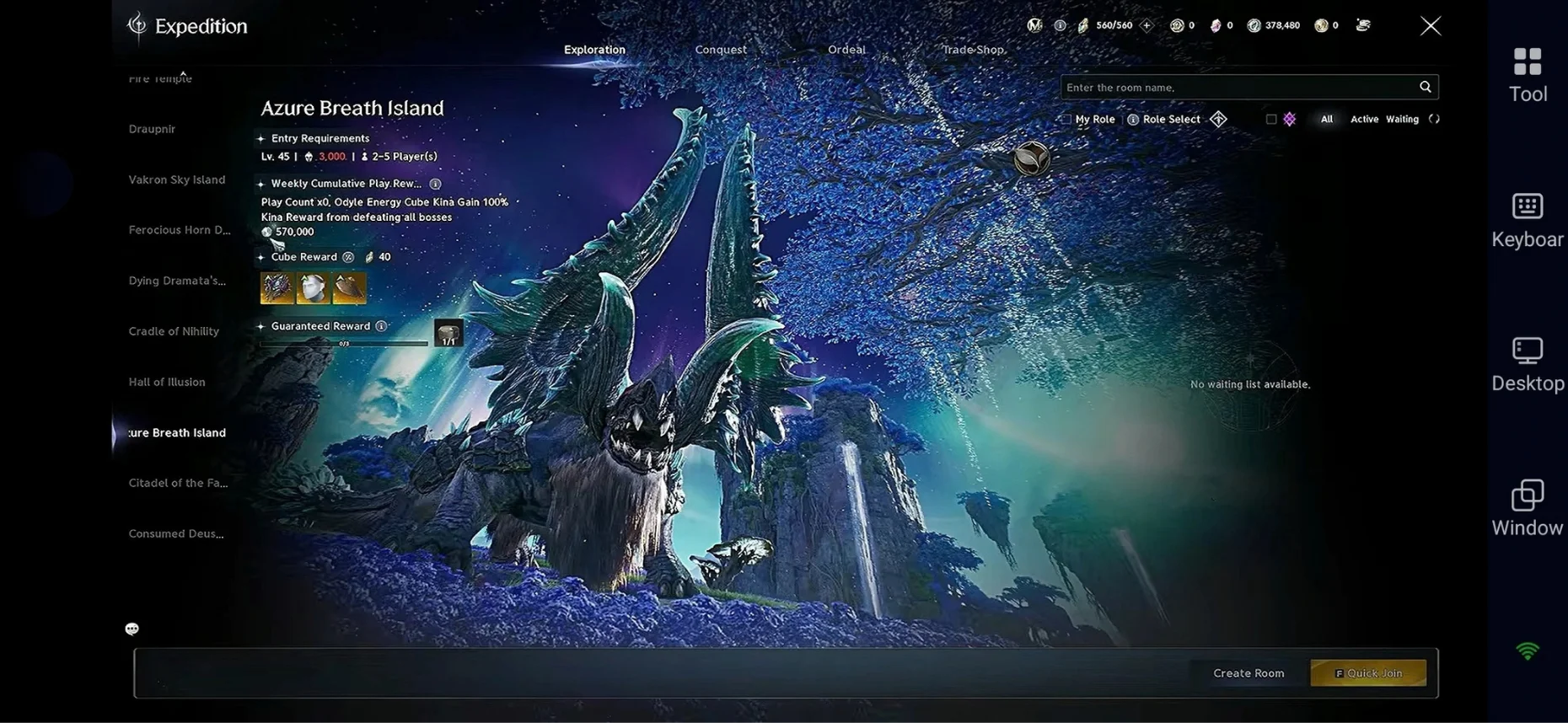
However, creating an alt is only worthwhile when the additional rewards justify the time and resources needed to maintain it. You don't need to create several characters immediately. Start with one alt when your main character is strong enough and you can comfortably manage the extra workload.
What Should Your Alts Farm?
Focus your alts on activities that provide worthwhile rewards with character-based limits, such as:
-
Daily content
-
Dungeons
-
Expeditions
-
Valuable materials
-
Other activities with character-based limits
Whenever possible, use alts to complete activities that your main character has already exhausted for the day or week. This lets you expand your total farming opportunities without forcing your main character into inefficient grinding.
Farming Tip: Don't measure an alt only by how much Kinah it earns. Consider the time required to level, gear, and maintain the character. An alt is valuable when the additional rewards outweigh that investment.
Conclusion
And that’s all you need to know to start earning more Kinah in AION 2. From daily quests and dungeons to open-world farming, gathering, crafting, and the Marketplace, there are plenty of ways to build up your wallet. The key is to focus on activities that fit your playstyle and give you good rewards for the time you spend. Use these tips from this AION 2 Kinah farming guide, keep an eye on Marketplace prices, and adjust your farming routine as the game changes. Want to keep your Kinah farming going while you're away from your PC? OSLink lets you remotely play AION 2 on your mobile, so you can check daily tasks, farm materials, and manage your Marketplace listings wherever you are.
 Download