English
AION 2 Global is finally here, bringing an exciting MMORPG experience with fast-paced combat, multiple classes, and plenty of progression systems to explore. With so many mechanics, skills, gear options, and activities to learn, the game can feel overwhelming for new players. This AION 2 beginner guide covers the essential tips and tricks to help you understand the game's core systems and start your journey with confidence.
Want to keep progressing in AION 2 even when you're away from your PC? OSLink lets you remotely access your AION 2 PC session from your mobile, so you can manage your character, complete tasks, and keep making progress wherever you are.
Pick Your Main AION 2 Class for Gameplay
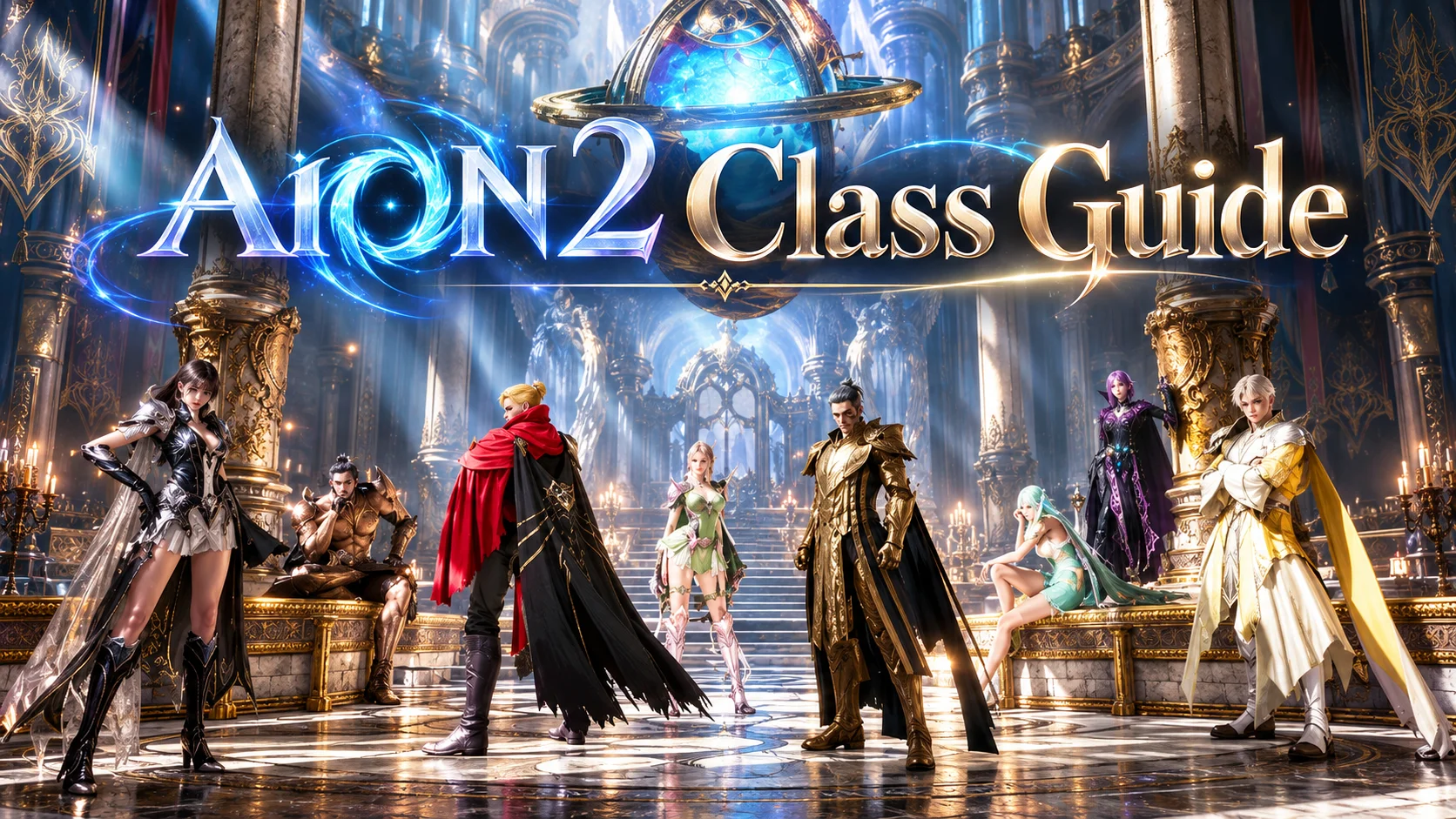
One of the first important choices you'll face in the game is choosing your class. There are eight classes in the game, and the AION 2 class you choose is permanently tied to the character you create. It determines how you approach combat, which skills you use, and what role you bring to a party. So, it's best to choose a class that matches the playstyle you enjoy.
|
Class |
Main Playstyle |
|
Gladiator
|
Melee damage with powerful attacks and strong frontline presence. |
|
Templar
|
Defensive frontline class focused on protecting allies and controlling enemies. |
|
Assassin
|
Fast melee damage with stealth, mobility, and burst attacks. |
|
Ranger
|
Ranged physical damage using bows, mobility, and ranged pressure. |
|
Sorcerer
|
Ranged magical damage with powerful burst and area attacks. |
|
Spiritmaster
|
Magic-focused class that uses summoned spirits, damage-over-time effects, and control. |
|
Cleric
|
Main healer with recovery, protection, and party support. |
|
Chanter
|
Support-oriented class combining buffs, damage, and healing utility. |


Tip for AION 2 best class for beginners:
-
If you like close-range combat, try Gladiator.
-
If you prefer ranged attacks, try Ranger.
-
If you enjoy healing and support, try Cleric.
-
If you want to protect your team, try Templar.
Follow the Main Quest for Progression
When you're starting AION 2, the main quest should be your primary progression path. It guides you through the game's early content while introducing new areas and systems, helping you build a foundation before you start spending your time across the many other activities available.
It can be tempting to chase seasonal or limited-time objectives as soon as they appear, especially when they offer attractive rewards. However, the transcript recommends completing the main quest first rather than immediately trying to keep up with seasonal content. Once you have progressed further and built a stronger foundation, you can return to those additional activities with a better understanding of the game and more resources available.
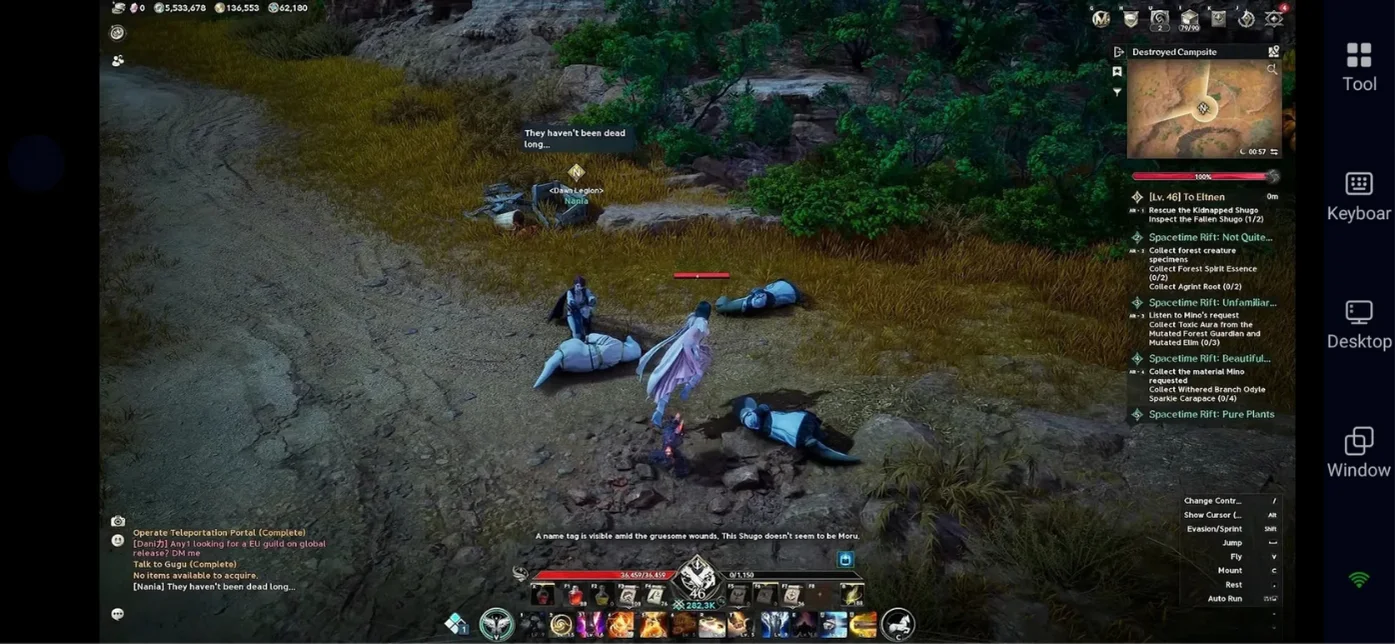
For a smoother early-game progression:
-
Prioritize the main quest instead of jumping between every available activity.
-
Complete the available zones and quest objectives as you progress through the story.
-
Don't let seasonal objectives pressure you into rushing if you're still building your character.
-
Use the quest tracker and map to stay focused on your current objectives.
-
Complete useful activities along your route rather than making unnecessary detours.
-
Move into additional progression systems after establishing your foundation through the main quest.
Beginner Tip: Don't feel like you need to complete everything the moment it becomes available. AION 2 has many progression systems, but you don't have to treat every activity as an immediate priority. Focus on the main quest first, then gradually add other activities as your character develops.
Learn How Your Class Plays
AION 2 has a large number of skills, stats, and progression systems, but beginners don't need to understand everything at once. The most important thing is learning how your chosen class deals damage, supports the party, or survives in combat and then building your character around those priorities.
Start by learning the difference between the three main skill types. Active Skills are the abilities you use directly during combat, Passive Skills provide automatic bonuses, and Stigma Skills are specialized abilities with their own progression and customization.
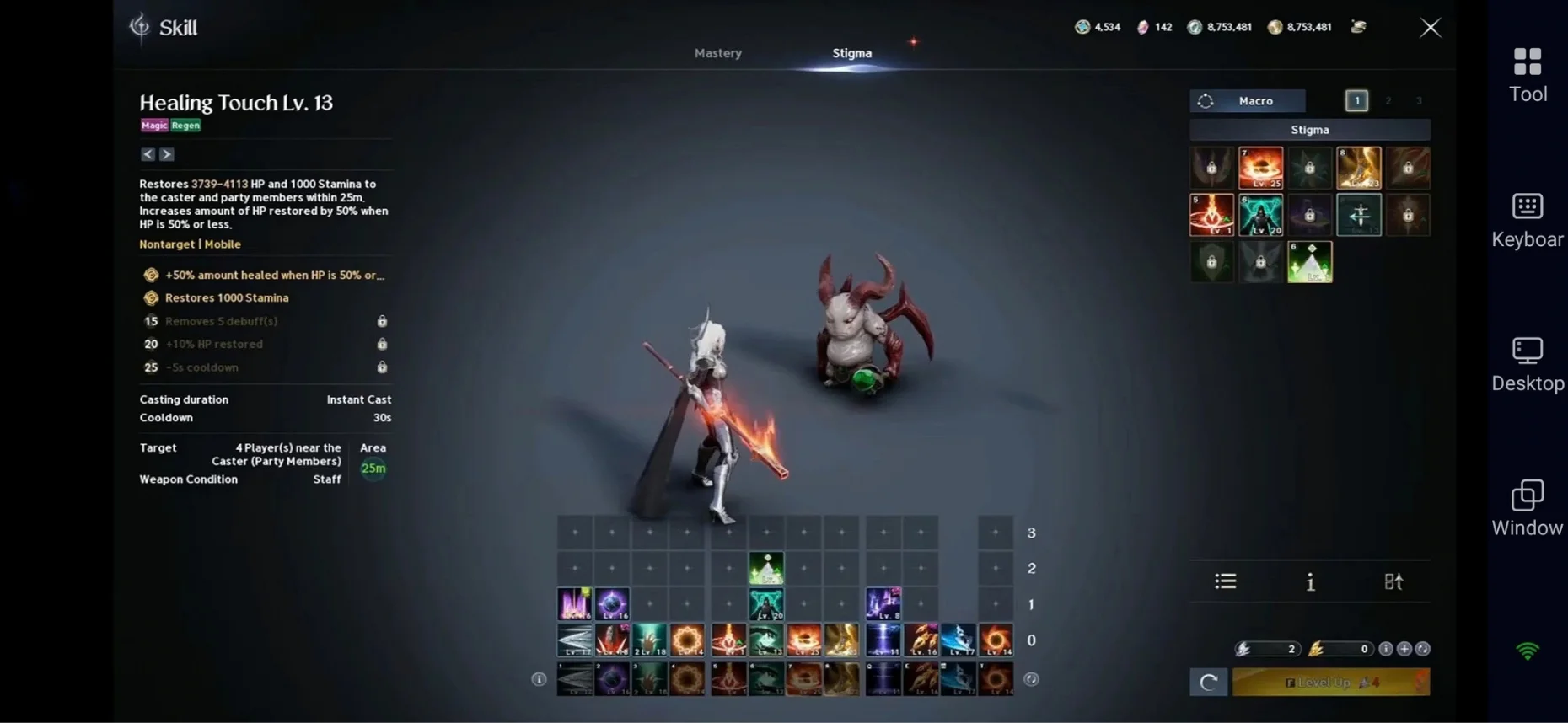
Don't assume every skill deserves the same investment. Each class has abilities that contribute much more to its overall performance than others, so identify your most important skills and prioritize them rather than spreading your resources evenly across everything.
Your class also determines which stats are valuable. Offensive stats such as Attack, Damage Boost, Weapon Damage Boost, critical-related stats, and Smite can all matter for PvE damage, but their value depends on your class, build, and existing stat levels. For beginners, following the recommended stats for your class is enough; perfect optimization can come later.
Focus on the Fundamentals
-
Learn your core skills: Identify the abilities that contribute most to your class's performance.
-
Understand your role: Know whether your job is to deal damage, tank, heal, or provide support.
-
Prioritize useful stats: Start with the recommended stats for your class instead of trying to optimize every stat immediately.
-
Learn encounter mechanics: As you move into harder group content, understanding mechanics becomes increasingly important alongside your character's combat power.
-
Don't blindly copy endgame builds: Korean endgame builds may rely on systems, gear, and progression that are not available to Global players at the same stage. Use them as references rather than exact templates.
-
Experiment as you progress: You don't need a perfect build from the beginning. Learn what works for your class and adjust your character as you unlock more systems.

 Pre-set Keymaps for Easy Play

Build Your Skill Set According to Your Playstyle
Another important part of AION 2 is learning how your skills work together. There are three main skill types, and understanding the purpose of each one will help you build your character around the role and playstyle you want.
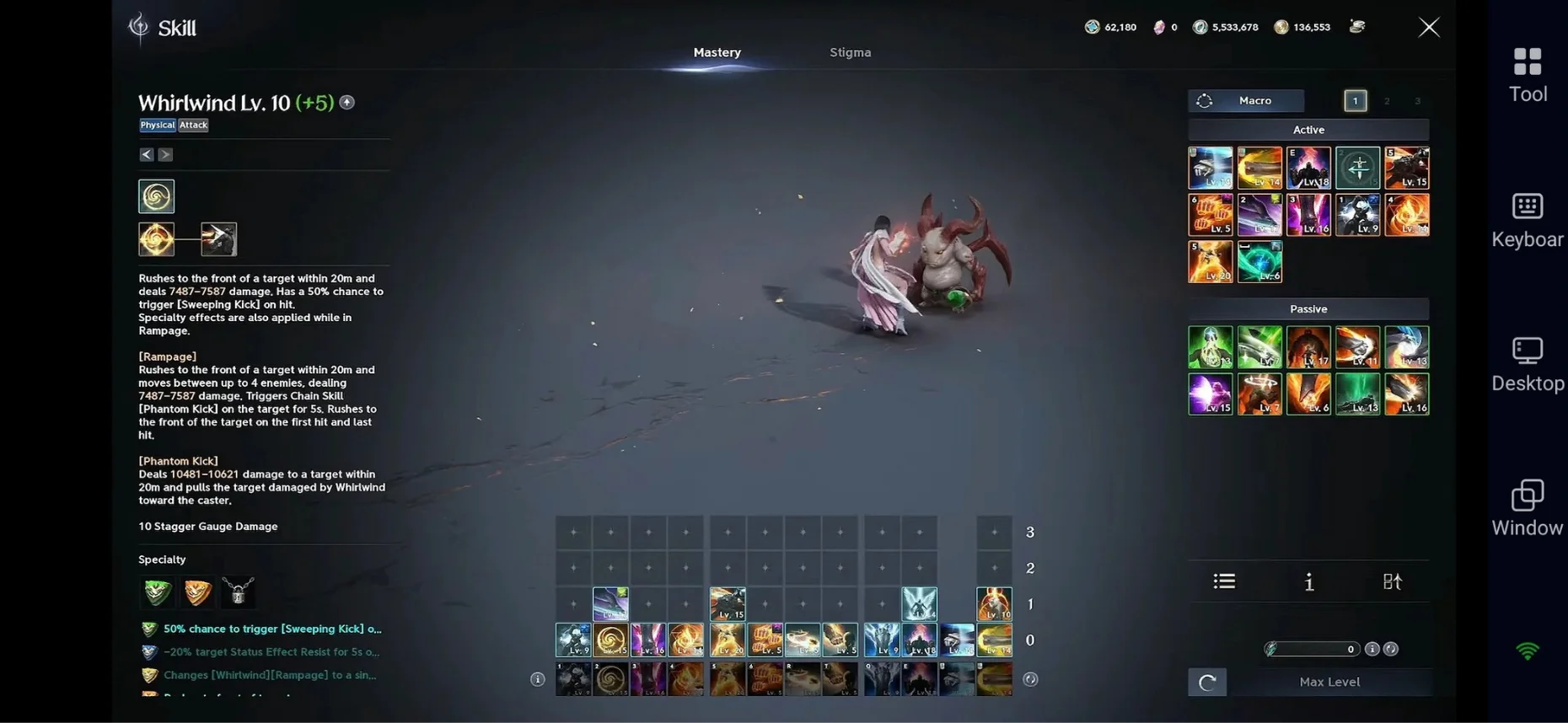
- Active Skills: Abilities you use directly during combat. These form the core of your combat gameplay and include attacks, healing, defensive abilities, and other effects.
-
Passive Skills: Abilities that provide bonuses automatically and improve your character without requiring manual activation.
-
Stigma Skills: Special abilities with their own progression and customization, giving you additional ways to develop your class.
One of the most important beginner lessons is that not every skill is equally important. Each class has certain abilities that contribute much more to its overall performance than others. Instead of spending your resources evenly across every skill, identify the abilities that are most important to your class and prioritize them first.
As you become more familiar with your class, you can adjust your skill setup around the content you are playing and the role you want to perform. A tank may prioritize abilities that improve survivability and control, while a DPS class may focus more heavily on its main damage abilities. Support classes can similarly prioritize the healing, buffs, or utility that their group needs most.
Beginner Tip: Don't worry about creating a perfect skill build immediately. Focus on understanding your most important abilities first, then refine your setup as you unlock more skills and become more familiar with your class.
Use Macros to Simplify Your Combat
AION 2's Macro system can help simplify sequences of abilities by allowing multiple skills to be linked to a single input. This can make frequently repeated combinations easier to execute and reduce the number of individual inputs you need during combat.
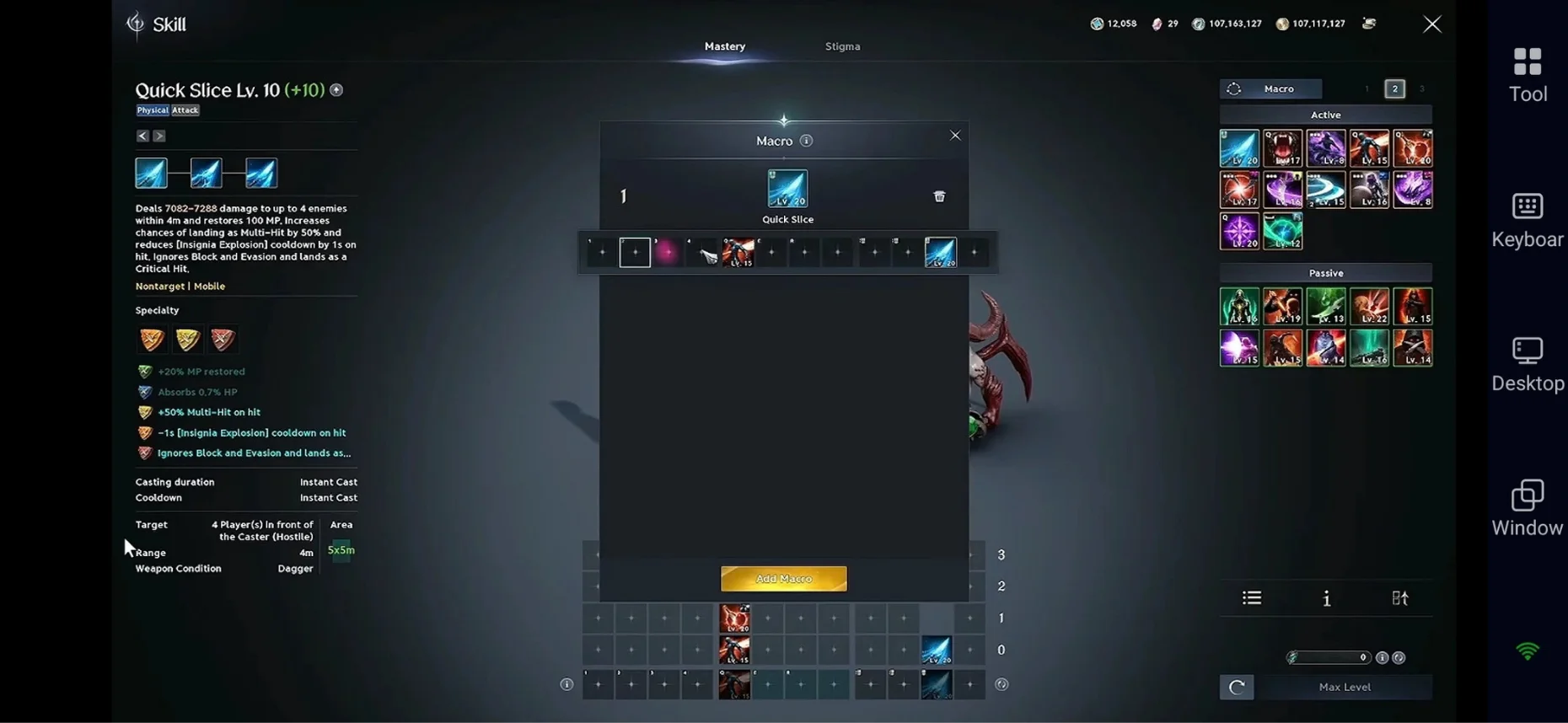
However, macros should be treated as a convenience tool rather than a replacement for learning your class. Not every situation follows the same skill sequence, and important abilities may need to be used at different times depending on the enemy, encounter mechanics, or your party's needs.
When creating a macro, focus on simple and repeatable combinations that you use frequently rather than trying to automate your entire rotation.
Beginner Tips for Using Macros
-
Start with a simple combination of abilities you regularly use together.
-
Test the macro against weaker enemies before relying on it in difficult content.
-
Keep important defensive, utility, and situational abilities available for manual use.
-
Avoid putting your entire rotation into one macro if doing so prevents you from reacting to changing combat situations.
-
Adjust your macros as you learn more about your class and its abilities.
-
Use separate setups when a combination is useful for different types of content.
Beginner Tip: Learn your normal skill rotation first, then use macros to make repetitive parts of that rotation easier. Understanding when and why to use each skill is still more important than reducing the number of button presses.
Upgrade Your Gear the Smart Way
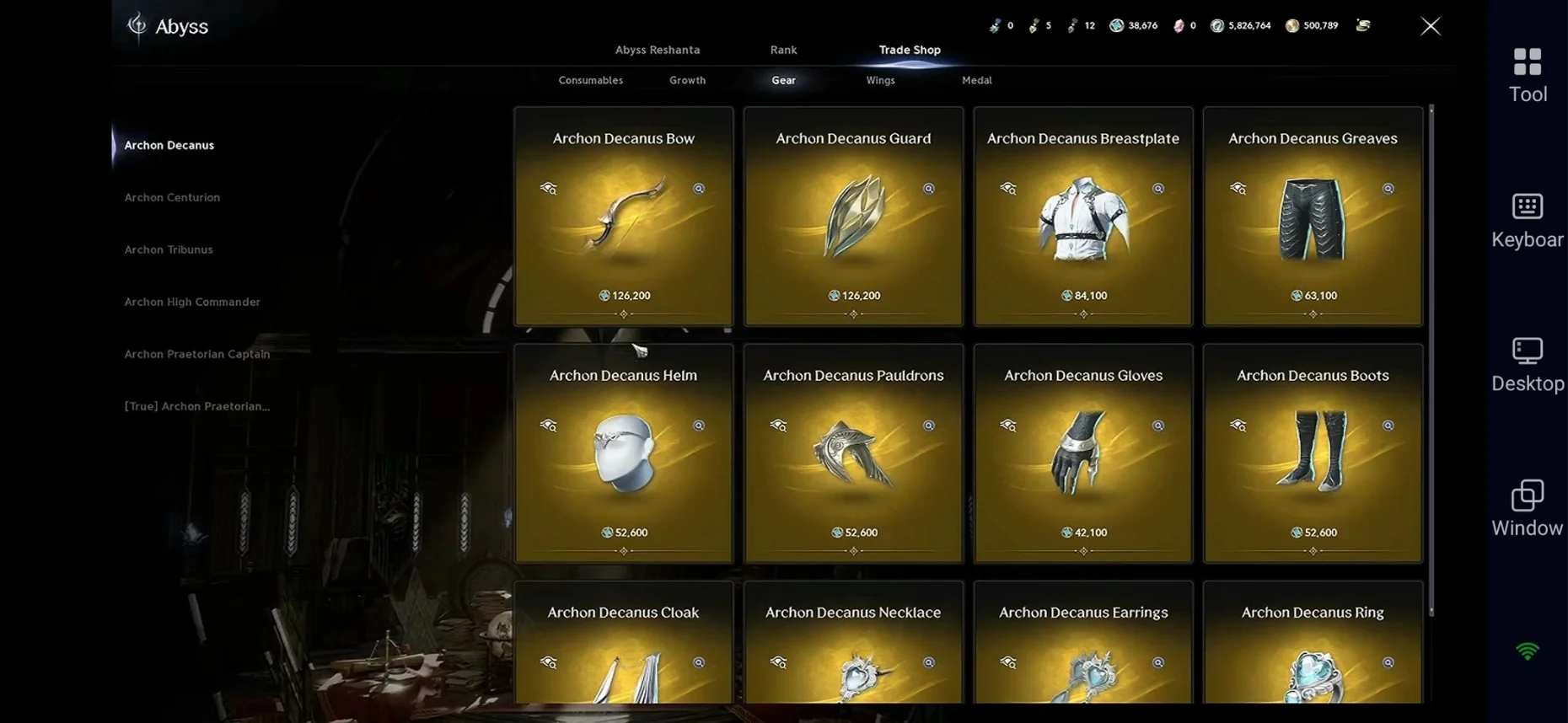
Gear is one of the main ways to increase your combat power in AION 2, but beginners don't need to chase perfect equipment from the moment they start. Your gear will be replaced and improved several times as you progress, so the early goal should be simple: get strong enough to enter the next piece of content and keep progressing.
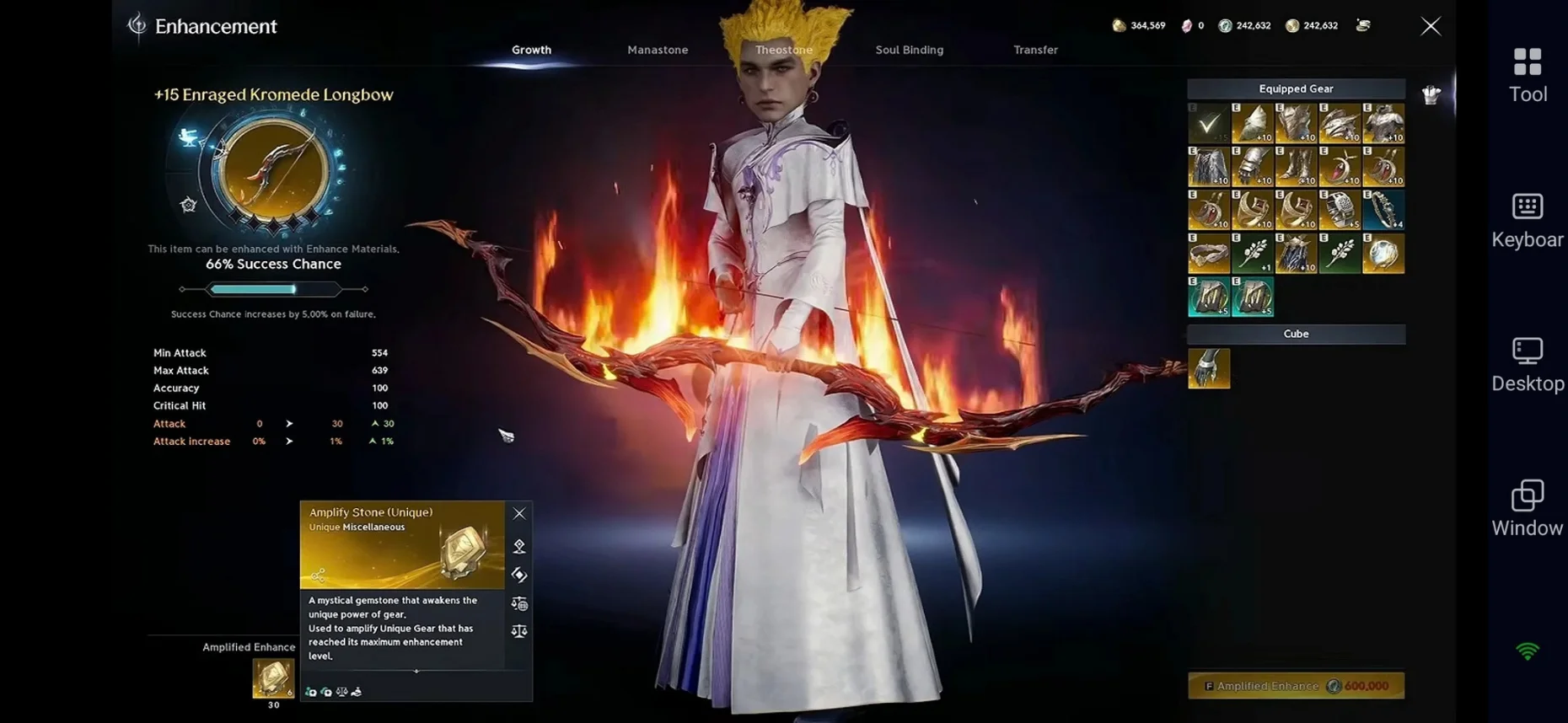
AION 2 has three major gearing paths:
-
Dungeon Gear: Your main accessible PvE progression path. You obtain it through PvE content and use it to progress into increasingly difficult dungeons.
-
Crafted Gear: More focused on optimization. Crafting lets you work toward specific equipment and eventually build a more optimized PvE setup.
-
PvP Gear: Designed specifically for PvP and includes stats focused on player-versus-player combat. PvP also has its own progression path, so you don't need to treat every PvE system as mandatory if PvP is your main focus.
Don't Overinvest in Early Gear
AION 2 gives you several ways to improve equipment. Enhancement increases an item's basic power, while later systems such as amplification, additional stat lines, Mana Stones, Soul Stones, and Potential provide further ways to customize and improve your gear.
However, you don't need to use every optimization system immediately. One of the easiest mistakes for a new player is spending rare materials trying to perfect equipment that will soon be replaced. The transcript recommends upgrading your gear enough to progress and saving expensive optimization for equipment you actually intend to keep.
Beginner Gear Priorities
-
Upgrade your equipment enough to enter the next piece of content.
-
Don't spend your rarest materials on every new item you receive.
-
Focus on useful stats for your specific class rather than simply chasing higher numbers.
-
Don't worry about creating a perfect gear set while you're still replacing equipment regularly.
-
Save expensive optimization for stable gear that you expect to keep.
-
Remember that gear becomes more about finding the right stats as you progress further.
Gear Tip: Your class determines which stats are valuable, and the importance of individual stats can change depending on your build and how much of a stat you already have. As a beginner, use the recommended stats for your class instead of trying to copy a fully optimized endgame build.
Understand the Key Progression Systems
AION 2 has a large number of progression systems, and it can be overwhelming when you first see them all. The easiest way to understand them is to separate your progression into two broad categories: vertical progression, which is mainly driven by gear, and permanent or horizontal progression, which includes systems such as Arcana, pets and Genus Insight, Pantheon, and wings.
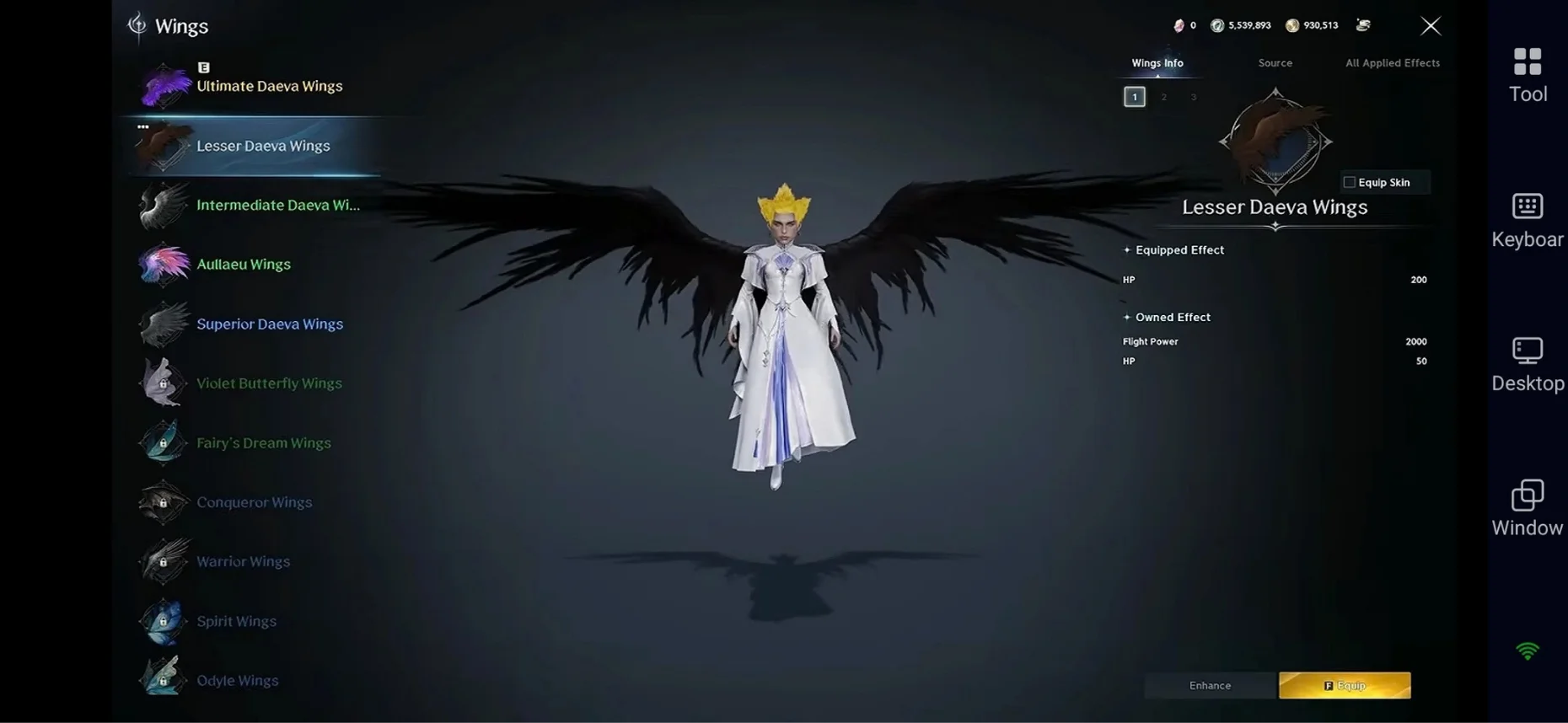
You don't need to master every system immediately. Most of these systems are designed to progress naturally alongside your character, so your goal as a beginner should be to understand what each one contributes and gradually build them up rather than trying to complete everything at once.
|
Progression System |
What It Does |
Beginner Focus |
|
Arcana |
A card-based progression system that can provide skill levels, offensive and defensive stats, and set effects. |
Learn which cards benefit your class and improve them as you obtain better ones. |
|
Pets & Genus Insight |
Collecting and progressing pets provides permanent character bonuses and eventually contributes to Genus progression. |
Collect pets when possible and let this system grow naturally over time. |
|
Pantheon |
A collection system where certain collected objects, trophies, and other items can provide permanent character bonuses. |
Keep useful collection items rather than treating the system as purely cosmetic. |
|
Wings |
Wings provide stats and other bonuses, while collected wings can contribute additional permanent benefits through their progression system. |
Use the wings you obtain and improve them gradually rather than chasing the perfect pair immediately. |
Arcana is particularly important because it can directly affect skills and stats, meaning two characters with similar gear can still perform differently because of their Arcana setups. You obtain Arcana cards primarily through Transcendence, and cards can be improved as you progress.
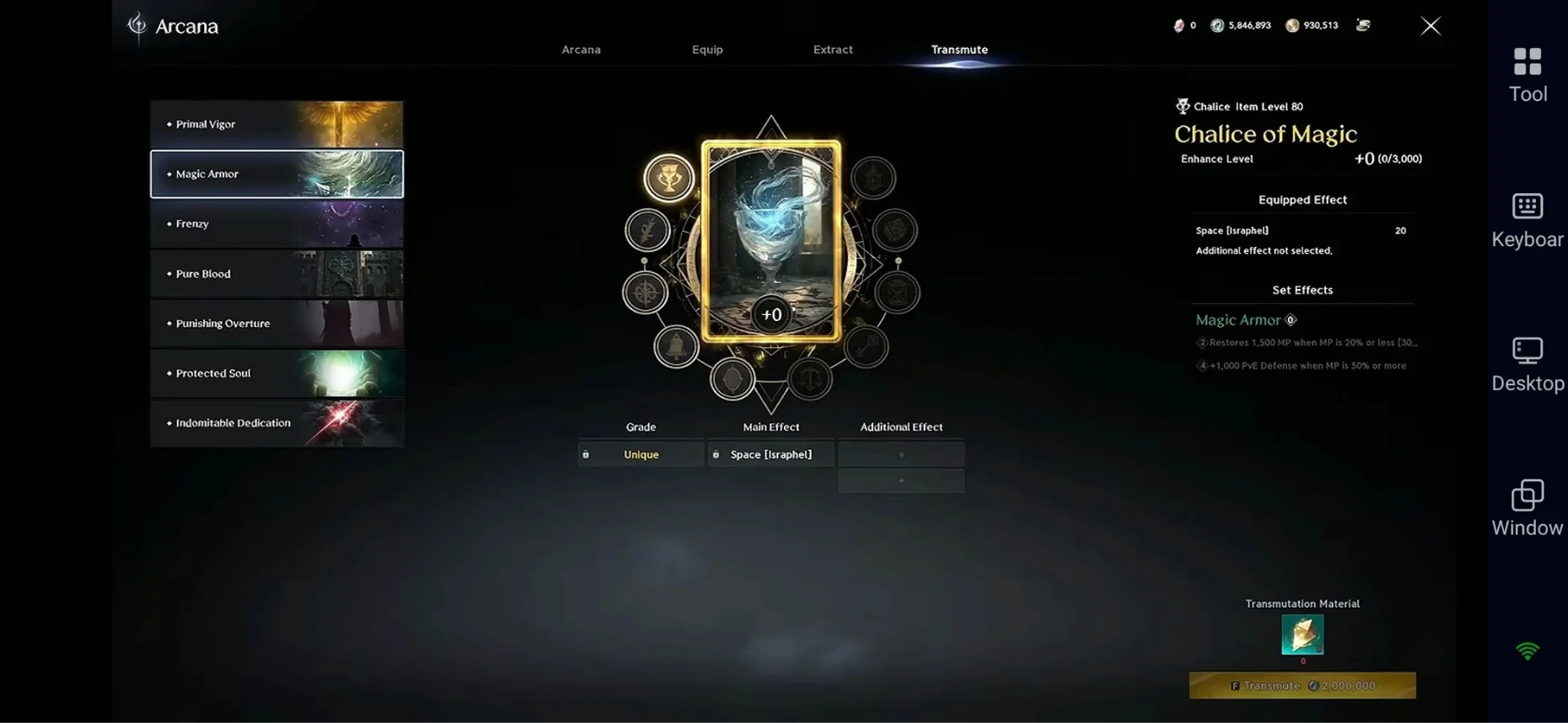
Pets work in a similar way. Collecting and progressing pets provides permanent bonuses, while Genus Insight expands that long-term progression as your pet collection develops. You don't need to understand every part of the system immediately — simply collecting and progressing pets over time is enough to start building permanent power.
Wings are also more than a cosmetic feature. Equipped wings can provide stats and bonuses, while collected wings contribute additional permanent benefits through their own progression. The transcript recommends simply using and improving the wings you obtain rather than worrying about finding the perfect ones immediately.
Beginner Tip: Don't turn AION 2's progression systems into a checklist. You aren't expected to maximize everything at once. Focus on your gear, skills, and main progression first, then allow these permanent systems to grow naturally as you play.
Explore PvE and PvP at Your Own Pace
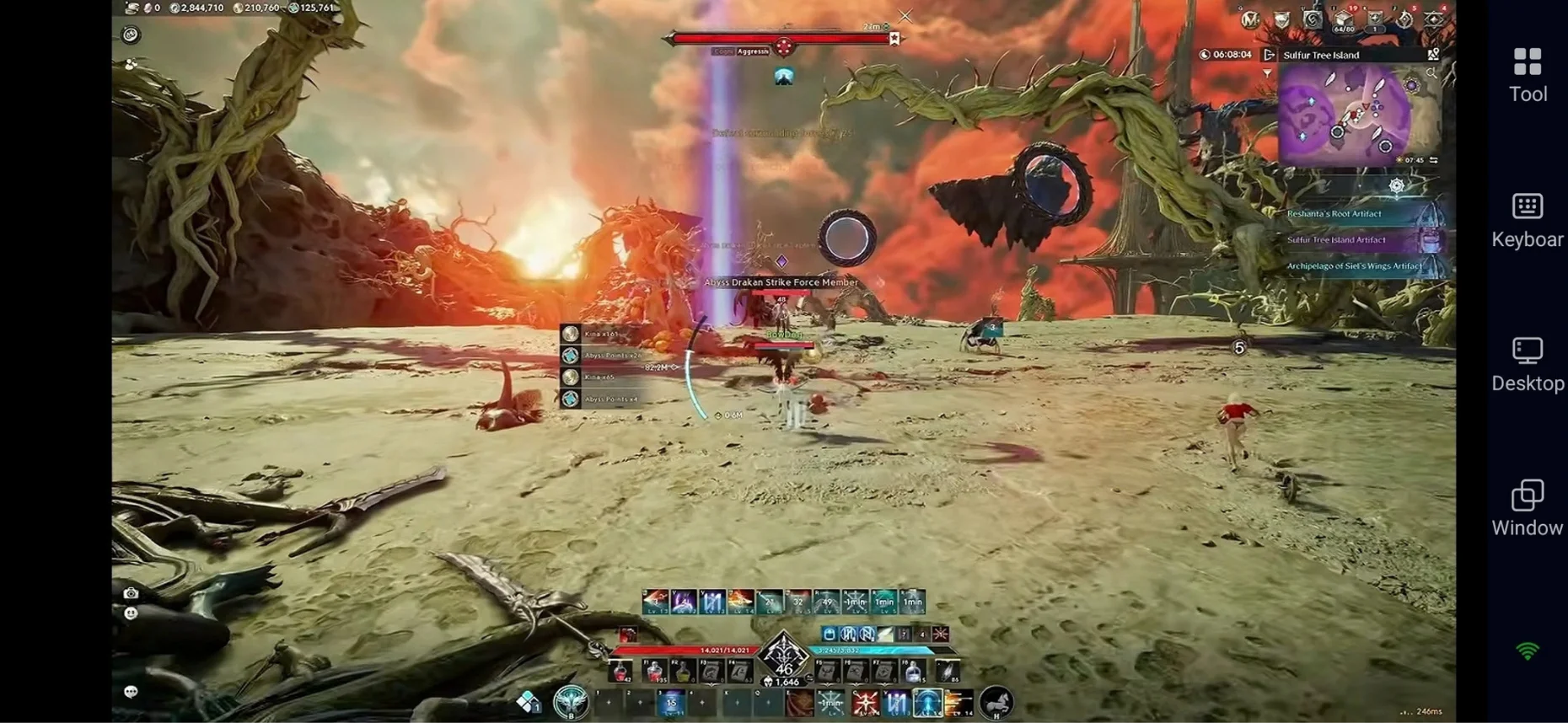
AION 2 offers two major ways to play: PvE, where you work with other players or fight enemies and bosses, and PvP, where you compete against players from the opposing faction or other players in structured battles. You don't need to master both immediately. Instead, start with the content that matches your preferred playstyle and gradually explore the other side as your character develops.
PvE Content and How to Prepare
PvE includes a wide range of activities, from regular dungeons and daily activities to challenging solo encounters, World Bosses, Transcendence, and high-end Sanctuary raids. Different activities serve different progression purposes, so you don't need to learn them all at once.
For beginners:
-
Build your character before chasing difficult content. Gear, skills, and permanent progression all contribute to your overall combat power.
-
Learn the mechanics before entering harder group content. Sanctuary, for example, requires both a prepared group and an understanding of its mechanics.
-
Use easier and shorter activities to build resources as you progress.
-
Try solo content as well. Nightmare and other solo activities can provide useful progression resources without requiring a full party.
-
Don't feel pressured to memorize every activity. New content will become familiar naturally as you progress.
PvP Content and How to Prepare
PvP has its own progression path in AION 2. The Abyss is the main open-world PvP area, while Arenas and Battlegrounds provide smaller or more structured competitive experiences. Artifact Sieges add another large-scale objective-based PvP activity.
For beginners:
-
Learn your class before worrying about perfect PvP optimization.
-
Understand your role and important abilities so you know when to attack, defend, or disengage.
-
Start with smaller-scale PvP to become comfortable fighting other players.
-
Learn how your PvP progression works instead of assuming you need to complete every PvE activity first.
-
Experiment with your build as you gain experience and learn which stats and abilities work best for your preferred PvP content.
Beginner Tip: You don't have to choose between PvE and PvP permanently. Try both, but focus your time on the content you enjoy most. AION 2 provides separate progression paths, so you can specialize without feeling that every activity in the game is mandatory.
Conclusion
And that's all you need to know from this AION 2 beginner guide to get started on the right foot. With the right class, combat skills, gear, and progression choices, you can make your journey through Atreia much easier. Use these tips and tricks to improve your gameplay and enjoy everything AION 2 has to offer. Also, you can try OSLink to play your AION 2 PC sessions directly from your mobile and keep progressing even when you're away from your PC.
 Download