English
 Blog Game Guide Monster Hunter Outlanders Beginner Guide: Early Progression & Essential Tips

Monster Hunter Outlanders brings Capcom's monster-hunting formula to mobile, combining giant monster battles, open-world exploration, crafting, and character progression. Developed by TiMi Studio Group, the free-to-play game launches globally on October 29, 2026, for Android and iOS.
If you're wondering how to play Monster Hunter Outlanders, this guide covers its main systems, beginner-friendly weapons, character upgrades, and early progression. We'll also share practical Monster Hunter Outlanders beginner tips to help you avoid common mistakes.
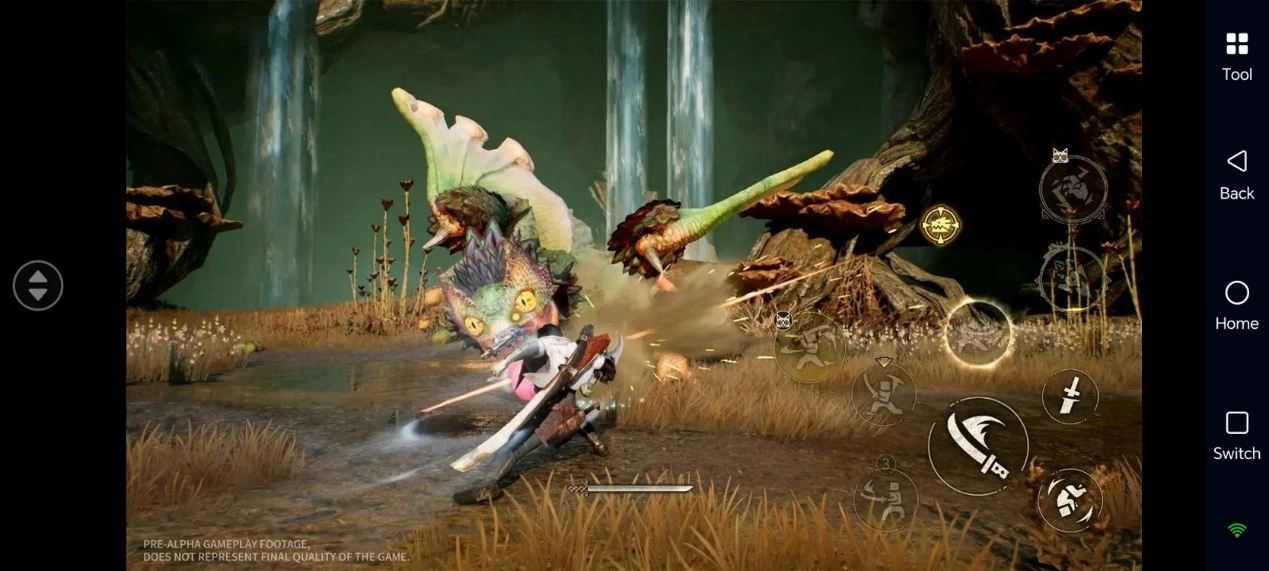
For players managing multiple mobile gaming accounts, OSLink offers remote access to Android devices and compatible multi-instance setups. It can make checking resource collection and comparing reroll accounts more convenient without constantly switching devices. However, emulator compatibility, reroll options, and automated farming depend on the game's launch rules and supported features.
Monster Hunter Outlanders Gameplay: Core Systems Explained
Monster Hunter Outlanders takes place in Aesoland, an expansive island featuring diverse environments, abundant resources, and dangerous creatures.
Its main gameplay loop is straightforward:
Explore → Hunt Monsters → Collect Materials → Craft Equipment → Challenge Stronger Monsters.
However, several systems make Outlanders different from traditional Monster Hunter games.
|
System |
What Beginners Should Know |
|
Monster Hunting |
Learn attack patterns, dodge dangerous moves, and target vulnerable monster parts |
|
Exploration |
Discover new areas, gather resources, and investigate the environment |
|
Crafting |
Use collected materials to create equipment and useful facilities |
|
Adventurers |
Play characters with different weapons, abilities, and combat roles |
|
Buddies |
Bring companions such as Palicoes, Rutacos, and Trillans |
|
Co-op Hunting |
Team up with up to three other players for challenging hunts |
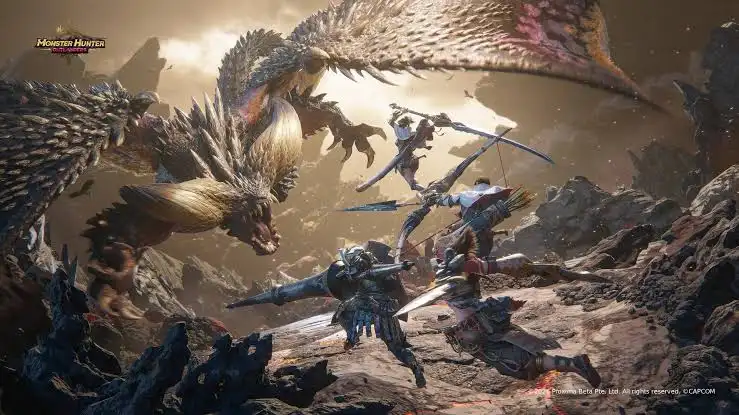
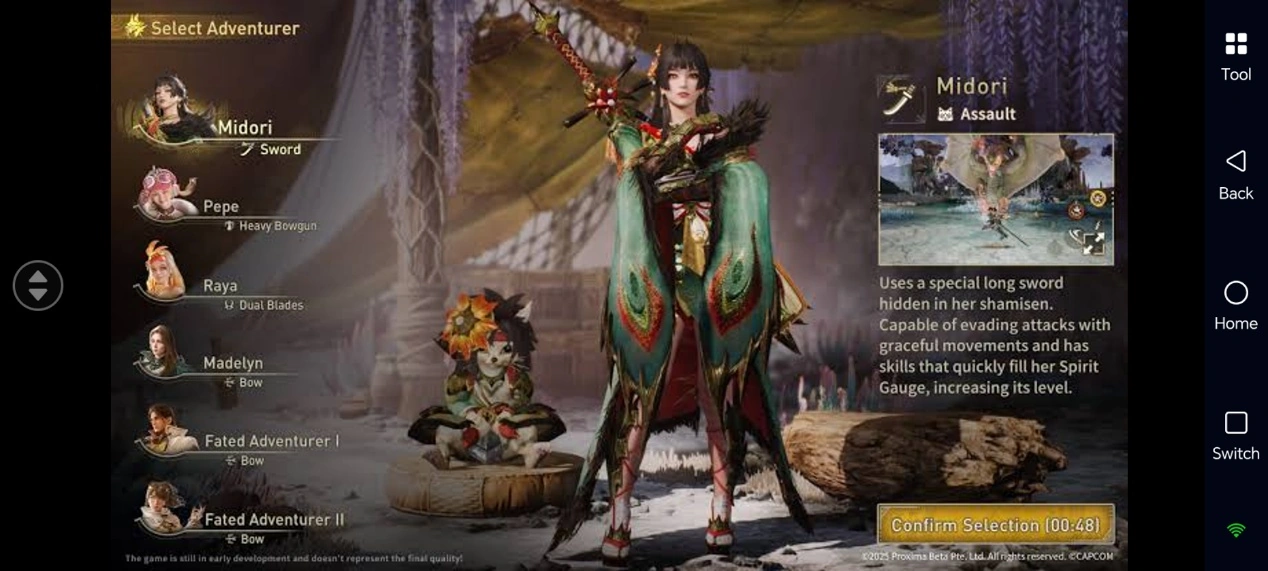
The game features three Adventurer roles: Assault for damage, Disruptor for interfering with enemies, and Support for helping teammates survive.
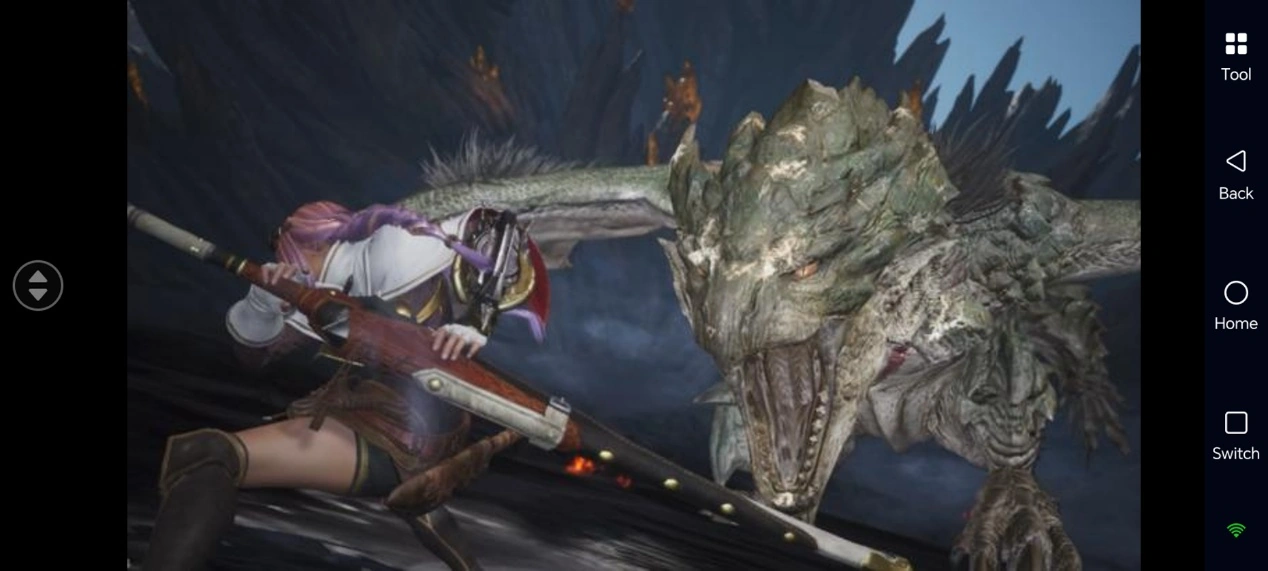
Combat Controls
Two control modes were available in recent testing.
Starter Mode simplifies combat controls by reducing the number of buttons needed for attacks, making it easier for mobile beginners to perform combos.
Adventure Mode provides more detailed attack inputs and greater control over weapon techniques.
Start with Starter Mode if you're unfamiliar with action games. Once you understand dodging and monster behavior, consider switching to Adventure Mode.
Best Monster Hunter Outlanders Starting Weapons
There are seven confirmed weapon types, but beginners don't need to master all of them immediately.
|
Weapon |
Playstyle |
Beginner Recommendation |
|
Dual Blades |
Fast melee attacks and mobile combos |
Great for aggressive beginners |
|
Lance |
Defensive melee combat with guarding |
Excellent for learning enemy patterns |
|
Bow |
Mobile ranged attacks |
Good for keeping distance |
|
Long Sword |
Combos, positioning, and counterattacks |
Good after some practice |
|
Great Sword |
Slow, powerful attacks |
Requires careful timing |
|
Heavy Bowgun |
Heavy ranged firepower |
Learn positioning first |
|
Hammer |
Close-range impact attacks |
Best when familiar with monster openings |
Our three recommended starting options are Dual Blades, Lance, and Bow.
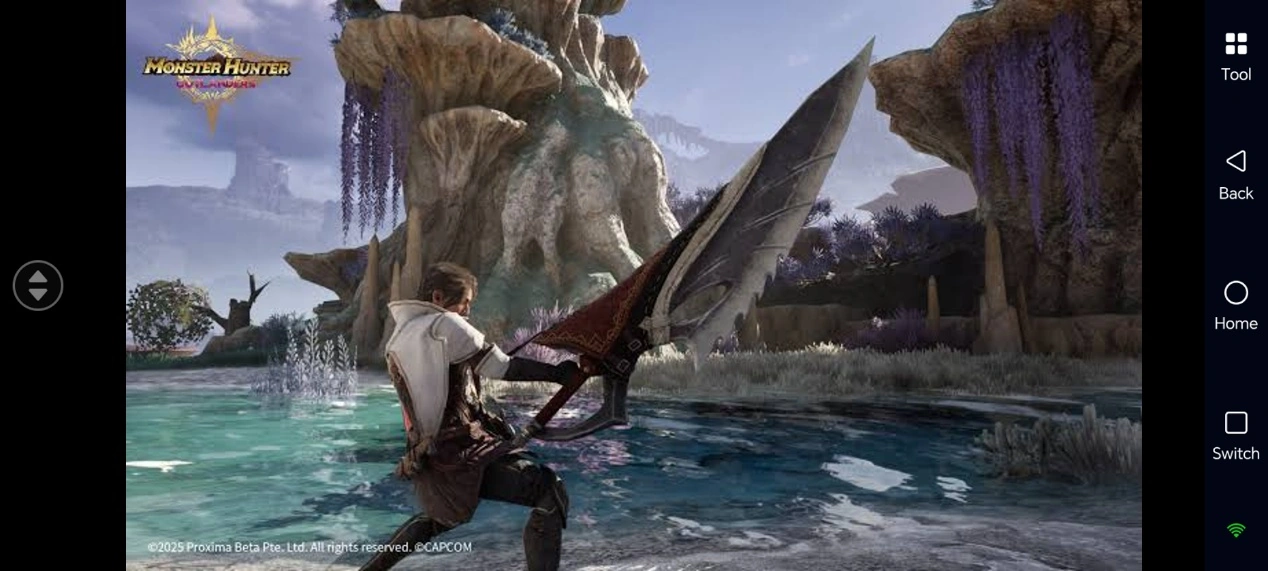
Dual Blades are ideal for players who enjoy quick attacks. Lance offers defensive tools that make mistakes easier to manage, while Bow lets beginners observe monster movements from a safer distance.
These are ease-of-use recommendations, not a final damage tier list.
Character Progression and Equipment Upgrades
A major part of Monster Hunter Outlanders gameplay is developing your Adventurers and improving your hunting equipment.
Unlike traditional Monster Hunter titles, named Adventurers have predefined weapons and special abilities. Your customizable protagonist offers greater freedom to switch between weapons.
|
Upgrade Area |
Early Game Priority |
|
Main Adventurer |
Focus resources on a character you enjoy using |
|
Weapons |
Improve equipment appropriate for your preferred playstyle |
|
Armor |
Prioritize survivability when facing tougher hunts |
|
Skills |
Learn your main character's abilities before investing broadly |
|
Buddies |
Choose companions that complement your combat role |
|
Facilities |
Build useful exploration tools to reduce travel time |
Avoid spreading valuable materials across every available character.
Start with one reliable damage dealer and develop a supporting lineup as more content becomes available. You can experiment with other weapons before committing to expensive upgrades.
Monster Hunter Outlanders Early Game Guide: First Steps
A sensible opening strategy is more valuable than rushing directly toward the strongest monsters.
Step 1: Complete the Tutorial
Follow the opening quests to understand combat, gathering, crafting, and exploration. Adjust your camera and control layout before your first serious hunt.
Step 2: Choose a Comfortable Weapon
Try a fast weapon and a defensive or ranged option. Practice attacking, dodging, and identifying safe opportunities to deal damage.
Step 3: Hunt Manageable Monsters
Begin with easier encounters rather than immediately challenging Radiant monsters or powerful Elder Dragons.
Focus on learning attack patterns and completing hunts consistently.
Step 4: Gather Materials and Improve Equipment
Collect resources during exploration and craft upgrades that solve your immediate problems. If you're frequently defeated, defensive improvements may be more useful than additional attack power.
Step 5: Develop Exploration Routes
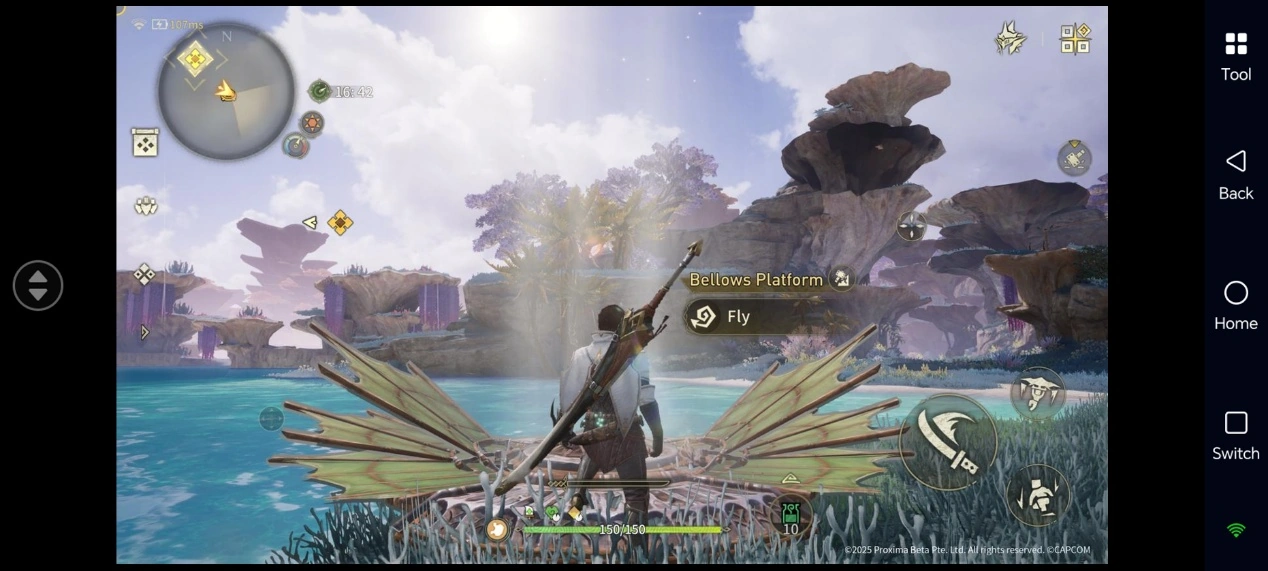
Use craftable facilities such as ziplines and wind-generating devices to improve movement across previously visited areas.
Convenient routes can save considerable time during repeated gathering trips.
Step 6: Prepare for Co-op and Tougher Hunts
Once you're comfortable with your character and equipment, join multiplayer hunts or attempt more demanding monsters. Coordinate damage, control, and support roles rather than relying entirely on individual attacks.

 AFK Anywhere, Progress Anytime


Monster Hunter Outlanders Beginner Tips
Recent hands-on previews suggest several useful habits for new players.
Watch for attack warnings. Some monster attacks feature visible warning effects. Use them to prepare a dodge instead of attacking continuously.
Don't rely entirely on lock-on. Selecting a monster's body part helps with targeting, but you still need proper positioning to land hits.
Learn your weapon's recovery animations. Slow attacks can leave you vulnerable if used at the wrong moment.
Use your Buddies. Support and disruption can make difficult encounters more manageable, especially during solo exploration.
Don't ignore gathering. Collecting materials while completing quests reduces the need for separate farming trips later.
Save valuable currencies. Avoid spending premium resources on characters or upgrades before understanding the launch progression system.
For resource farming, prioritize repeatable activities and equipment materials you actually need rather than spending time collecting everything.
Final Thoughts
This Monster Hunter Outlanders beginner guide comes down to one principle: learn the hunting mechanics before chasing advanced builds.
Choose a manageable weapon, complete early quests, focus on upgrading a core set of equipment, and gradually challenge stronger monsters. Good positioning and consistent dodging will often matter more than rushing character upgrades.
If you're managing multiple supported Android sessions, OSLink can also help you remotely check farming progress and organize reroll attempts where permitted. Just remember that monster hunting remains an active gameplay experience, and any multi-instance setup should follow the game's compatibility and account rules.
 Download